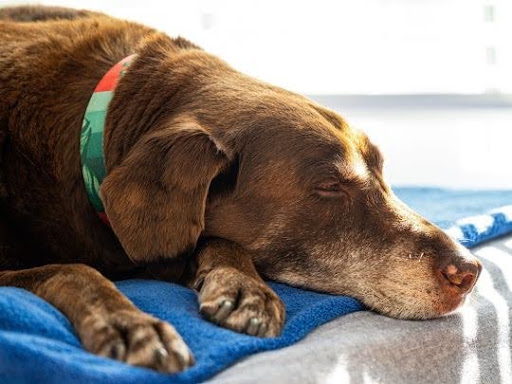
As dogs grow older, their daily routines often change. They may sleep more, walk less, and lose some muscle mass. At the same time, their calorie needs can decrease. These changes can make it easier for a senior dog to gain excess weight without obvious changes in how much they eat.
Maintaining a healthy weight is more than a cosmetic concern. Extra body weight can place additional stress on aging joints and may contribute to mobility problems and other health concerns. On the other hand, unexplained weight loss can also signal an underlying health issue that deserves veterinary attention.
For families looking for senior pet care in Cottleville, understanding how aging affects weight can help support a dog’s comfort, mobility, and overall quality of life. Regular veterinary monitoring can also make it easier to recognize gradual changes before they become more difficult to manage.
Why Weight Management Matters for Senior Dogs
Senior dogs experience physical changes that can affect how their bodies use energy. They may become less active because of joint stiffness or other age-related changes. If their food intake stays the same while their activity decreases, they may gradually gain weight.
Excess weight can create a cycle that makes staying active more difficult. A heavier dog may place more strain on the joints, making walks uncomfortable. Reduced activity can then contribute to additional weight gain.
A healthy weight can help support:
- Comfortable movement and mobility
- Healthy joints
- Normal energy levels
- Cardiovascular health
- A better quality of life
- Easier participation in appropriate physical activity
Weight management is also important because sudden changes in body weight can sometimes indicate a medical problem. Senior dogs may experience conditions that affect appetite, metabolism, digestion, or organ function. Regular examinations help your veterinarian distinguish normal aging changes from concerns that require further evaluation. Cottleville Animal Hospital recommends regular senior-pet checkups to monitor changes in areas such as weight, mobility, heart and lung health, and other age-related concerns.
Senior Dog Nutrition and Calorie Needs
One of the most important parts of senior dog care is adjusting nutrition as your pet’s needs change. A food portion that was appropriate when your dog was younger may no longer provide the right amount of calories later in life.
However, reducing food dramatically is not always the right approach. Senior dogs still need adequate nutrition to maintain muscle, support normal body functions, and stay healthy.
Choose Portions Based on Your Dog’s Needs
There is no single feeding amount that works for every senior dog. Calorie requirements can vary based on:
- Age
- Breed and size
- Current weight
- Body condition
- Activity level
- Muscle mass
- Existing health conditions
- Type of food being fed
Your veterinarian can help determine an appropriate calorie target and feeding schedule. Keeping meals measured rather than feeding by guesswork can also make weight management easier.
Veterinary guidance is particularly important if your dog needs to lose weight. Cornell University College of Veterinary Medicine notes that veterinarians can assess body condition and calculate appropriate calorie needs based on factors such as age, lifestyle, and body condition score.
Don’t Focus Only on the Number on the Scale
A scale provides useful information, but it does not tell the whole story. A senior dog may lose muscle while maintaining a similar body weight. That is why veterinarians also evaluate body condition and overall physical appearance.
A healthy body condition generally includes a visible waist when viewed from above and an abdominal tuck when viewed from the side. The ribs should be easy to feel without being excessively prominent.
Your veterinarian can use a body condition scoring system to assess whether your dog is underweight, at an appropriate weight, or carrying excess body fat.
How Exercise Supports Healthy Weight in Older Dogs
Exercise remains important for senior dogs, but their activity should be appropriate for their age, physical condition, and mobility.
Older dogs may not be able to handle the same long walks, running, or vigorous play they enjoyed when they were younger. That does not mean they should stop moving altogether.
Gentle, consistent activity can help maintain muscle strength and support mobility. Depending on your dog’s health, suitable activities may include:
- Short walks
- Slow-paced neighborhood walks
- Gentle play
- Controlled movement around the home
- Other veterinarian-approved low-impact activities
The goal is consistency rather than intensity.
If your senior dog becomes reluctant to walk, struggles to rise from a resting position, moves more slowly, or has difficulty climbing stairs, these changes should not simply be dismissed as normal aging. Arthritis and other mobility concerns are common in older pets, and early management can improve comfort and independence. Cottleville Animal Hospital’s senior pet care guidance also emphasizes mobility and pain management, including appropriate activity, weight management, and home adjustments.
Managing Treats and Extra Calories
Treats are an enjoyable part of the human-animal bond, but they can contribute significantly to a senior dog’s daily calorie intake.
It is easy to overlook calories from:
- Training treats
- Table scraps
- Dental chews
- High-calorie snacks
- Multiple family members offering treats throughout the day
If your dog is gaining weight, keep track of everything they eat rather than focusing only on their regular meals.
Use Treats Thoughtfully
Treats do not necessarily need to disappear from your dog’s routine. Instead, consider using smaller portions and accounting for treats when planning the day’s total food intake.
You can also ask your veterinarian whether certain lower-calorie options are appropriate for your dog. The best choice depends on your pet’s nutritional needs and overall health.
Avoid making major dietary changes without professional guidance, particularly if your senior dog has an existing medical condition or needs a specific nutritional plan.
Recognizing Unhealthy Weight Changes in Senior Dogs
Gradual weight gain can be difficult to notice. A dog may gain a small amount over several months, and the change may not seem significant until it begins affecting mobility.
Regularly monitoring your dog’s weight and body condition can help you recognize trends earlier.
Weight gain may be accompanied by:
- Less interest in walking
- Reduced stamina
- Difficulty getting up
- Increased stiffness
- A less noticeable waistline
- Reluctance to climb stairs or jump
Weight loss can be equally important to monitor. Unexpected weight loss may occur with changes in appetite, digestive problems, metabolic disorders, kidney disease, dental discomfort, or other medical conditions. Cottleville Animal Hospital specifically identifies sudden weight loss or gain as a reason for a senior dog to receive veterinary evaluation.
Do not assume that an older dog is simply “getting thinner with age.” A noticeable or unexplained change deserves attention.
Building a Senior Dog Weight Management Plan
A successful weight management plan should be realistic for both the dog and the family. Instead of making several major changes at once, work with your veterinarian to develop practical goals.
A senior dog weight management plan may include:
1. Establishing a Healthy Target Weight
Your veterinarian can evaluate your dog’s body condition, muscle mass, breed, size, and overall health to establish an appropriate weight goal.
2. Measuring Daily Food
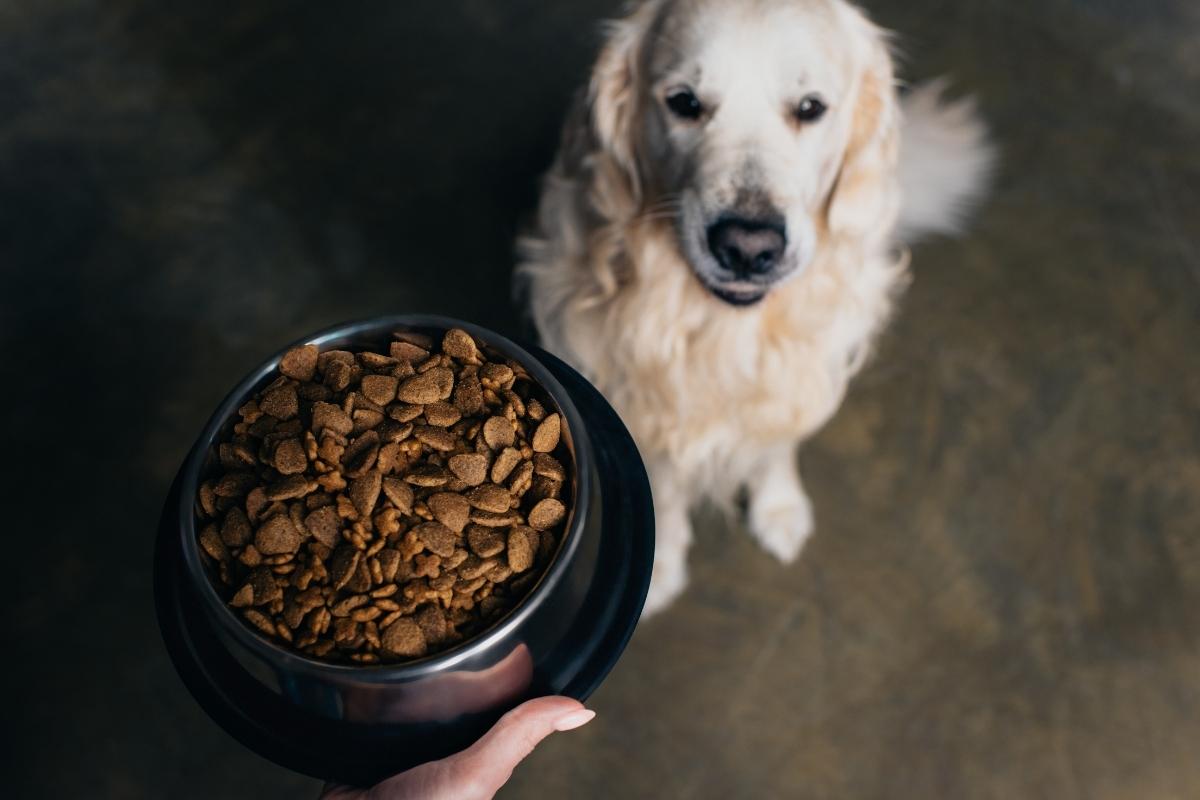
Use measured portions instead of estimating food amounts. Consistency makes it easier to determine whether the current feeding plan is working.
3. Monitoring Progress
Track your dog’s weight and body condition regularly. Your veterinarian may recommend follow-up visits to adjust the plan based on progress.
4. Maintaining Appropriate Activity
Choose activities your dog can perform comfortably. Short, regular walks may be more suitable than occasional strenuous exercise.
5. Reviewing the Diet
Your veterinarian can determine whether your dog’s current food provides appropriate calories and nutrients for their age, activity level, and health needs.
6. Watching for Changes
Keep an eye on appetite, thirst, bathroom habits, activity, mobility, and behavior. Changes in these areas can provide important clues about your senior dog’s health.
How Regular Senior Pet Care Supports Healthy Weight
Weight management should be part of a broader senior wellness plan. Older dogs can experience several age-related changes at the same time, so evaluating weight alongside mobility, nutrition, dental health, and overall physical condition provides a more complete picture.
For pet owners searching for senior pet care near you, routine veterinary visits can provide an opportunity to discuss changes you may have noticed at home. Depending on the individual dog, a veterinarian may recommend regular physical examinations and diagnostic screenings to monitor overall health.
Cottleville Animal Hospital recommends semi-annual checkups for geriatric pets, allowing the veterinary team to monitor changes and identify concerns such as weight changes, arthritis, dental disease, and other age-related conditions.
If you are looking for a veterinarian in Cottleville, choosing a veterinary team that understands the changing needs of senior dogs can help you make informed decisions about nutrition, exercise, and long-term wellness.
Supporting Your Senior Dog’s Health in Cottleville
Your senior dog deserves a nutrition and activity plan that reflects their changing needs. Maintaining a healthy weight can support mobility, comfort, and quality of life while making it easier to enjoy everyday activities together.
If you notice changes in your dog’s weight, appetite, activity level, or mobility, discuss them with a veterinary professional rather than assuming they are simply part of aging. A personalized plan can help address your dog’s nutritional and wellness needs as they grow older.
If your senior dog needs ongoing guidance with nutrition, weight management, mobility, or age-related wellness, schedule an appointment with our animal hospital. Cottleville Animal Hospital provides comprehensive veterinary care in Cottleville, with senior pet services designed to support pets through their later years.
Frequently Asked Questions
1. Why do senior dogs gain weight more easily?
Ans: Senior dogs often become less active as they age. Their calorie requirements may also decrease, so eating the same amount of food as they did when younger can contribute to weight gain.
2. How can I tell if my senior dog is overweight?
Ans: Look for changes in your dog’s waistline, abdominal tuck, and ability to feel the ribs. A veterinarian can perform a body condition assessment and determine whether your dog’s weight is appropriate.
3. Should I reduce my senior dog’s food if they gain weight?
Ans: Do not make a major calorie reduction without veterinary guidance. Your veterinarian can determine an appropriate calorie target while making sure your dog continues receiving adequate nutrients.
4. Is exercise safe for an older dog?
Ans: Many senior dogs benefit from regular, gentle activity, but the appropriate exercise depends on their health and mobility. Your veterinarian can recommend activities that are suitable for your dog.
5. Is weight loss normal as dogs get older?
Ans: Some changes in body composition can occur with aging, but unexplained or noticeable weight loss should not automatically be considered normal. It can sometimes indicate an underlying health concern and should be discussed with a veterinarian.
6. How often should a senior dog have veterinary checkups?
Ans: Senior dogs may benefit from more frequent examinations than younger adult dogs. Cottleville Animal Hospital recommends semi-annual checkups for geriatric pets to monitor age-related changes and overall wellness.