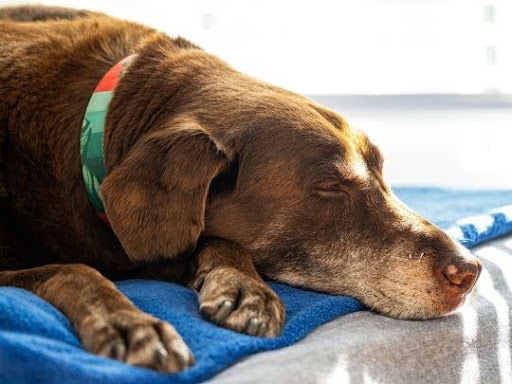


Watching your beloved companion grow older brings a mix of emotions. You want to ensure every tail wag and gentle purr continues for years to come. That’s why understanding your senior pet’s bloodwork becomes essential after they cross the age 7 threshold.
Blood tests reveal crucial information about your pet’s internal health that physical exams alone cannot detect. However, interpreting these results can feel overwhelming when numbers start shifting. The good news? Many changes are completely normal parts of aging.
This guide helps you understand senior pet bloodwork results so you can partner effectively with your veterinarian. Let’s decode what those lab values really mean for your aging furry friend.
Understanding Why Senior Pets Need Regular Bloodwork:
The Importance of Baseline Testing
Once pets reach their golden years, their bodies undergo gradual physiological changes. Regular bloodwork establishes baseline values unique to your individual pet. These benchmarks help veterinarians detect subtle shifts before they become serious problems.
Senior pets should receive comprehensive blood panels at least annually. Many veterinarians recommend testing every six months for pets over ten years old. Early detection remains the cornerstone of successful senior pet healthcare.
What a Complete Blood Panel Includes
A typical senior wellness panel examines several key areas:
- Complete Blood Count (CBC): Evaluates red cells, white cells, and platelets
- Chemistry Panel: Assesses organ function, includingthe the liver and kidneys
- Thyroid Levels: Measures metabolic hormone production
- Urinalysis: Examines kidney function and hydration status
Each component provides valuable puzzle pieces about your pet’s overall health picture.
Normal Age-Related Changes in Bloodwork Values:
Kidney Function Markers
Kidney values often show subtle elevation in healthy senior pets. Creatinine and BUN (blood urea nitrogen) may rise slightly as kidney efficiency naturally decreases. This doesn’t automatically indicate kidney disease.
However, significant jumps warrant closer investigation. Your veterinarian considers trends over time rather than single readings. Consistent monitoring helps distinguish normal aging from developing conditions.
Liver Enzyme Fluctuations
Liver enzymes like ALT and ALP commonly elevate modestly in older pets. Senior dogs especially show ALP increases that often mean nothing concerning. Certain medications and even benign conditions can cause temporary spikes.
Context matters tremendously when interpreting these values. Your vet examines the entire panel together, not individual numbers in isolation.
Blood Sugar and Protein Levels
Glucose regulation may become less efficient with age. Slightly elevated blood sugar doesn’t necessarily mean diabetes. Stress from the veterinary visit itself often causes temporary glucose spikes.
Protein levels, including albumin and globulin, may shift as immune function and liver production change. Mild variations typically reflect normal physiological aging rather than disease processes.
Red Flags That Require Immediate Attention:
When Values Signal Concern
While many changes are normal, certain patterns demand prompt action:
- Rapidly increasing kidney values over short periods
- Severely elevated liver enzymes combined with clinical symptoms
- Significant anemia is shown by dropping red blood cell counts
- Extremely high or low white blood cell counts
- Uncontrolled blood glucose levels with increased thirst and urination
Trust your veterinarian’s interpretation of concerning trends. They understand how values interact and what combinations suggest underlying issues.
Symptoms That Accompany Abnormal Results
Bloodwork gains additional significance when paired with clinical signs. Watch for changes including:
- Unexplained weight loss or gain
- Decreased appetite or increased thirst
- Lethargy or behavioral changes
- Vomiting, diarrhea, or changes in urination
Always report these observations during your pet’s wellness visits.
How to Prepare Your Senior Pet for Blood Tests
Proper preparation ensures accurate results. Follow these simple guidelines:
Fasting requirements: Most chemistry panels require 8-12 hours of fasting. Water remains freely available.
Medication considerations: Ask your veterinarian whether to give morning medications before testing.
Reduce stress: Keep your pet calm during transport. Familiar blankets and gentle reassurance help immensely.
Timing matters: Schedule morning appointments when possible. Pets handle fasting better with earlier draws.
If you’re looking for comprehensive Senior Pet Care in Cottleville, MO, finding a veterinary team experienced with aging animals makes all the difference.
Working With Your Veterinarian to Interpret Results:
Questions to Ask During Review
Don’t hesitate to request detailed explanations of your pet’s bloodwork. Consider asking:
- How do these values compare to previous tests?
- Which changes concern you, and which are normal?
- What follow-up testing might be helpful?
- How often should we recheck specific values?
Understanding the “why” behind recommendations helps you participate actively in your pet’s care decisions.
Creating a Long-Term Monitoring Plan
Develop a testing schedule appropriate for your pet’s specific needs. Some seniors require more frequent monitoring based on existing conditions. Others may need only annual comprehensive panels.
The team at Cottleville Animal Hospital can help design personalized wellness protocols that fit your pet’s unique health profile.
Keep copies of all bloodwork results in a dedicated folder. Tracking trends over months and years provides invaluable information for healthcare decisions.
Frequently Asked Questions:
Q1: At what age should pets start receiving senior bloodwork panels?
Ans: Most veterinarians recommend comprehensive senior bloodwork starting at age 7 for dogs and cats. Large breed dogs may benefit from earlier testing around age 5-6 due to shorter lifespans.
Q2: How much does senior pet bloodwork typically cost?
Ans: Comprehensive senior panels generally range from $150-$300, depending on tests included. Many veterinary clinics offer wellness packages that bundle bloodwork with physical exams at discounted rates.
Q3: Can stress affect my pet’s blood test results?
Ans: Absolutely. Stress causes elevated glucose levels and can affect white blood cell counts temporarily. Veterinarians account for “stress leukograms” when interpreting results from anxious patients.
Q4: Should I fast my senior pet before bloodwork?
Ans: Yes, most chemistry panels require 8-12 hours of fasting for accurate results. Always provide fresh water and confirm specific fasting instructions with your veterinary clinic beforehand.
Q5: What does elevated BUN mean in older pets?
Ans: Elevated BUN (blood urea nitrogen) may indicate kidney changes, dehydration, or high-protein diets. Mild elevations are common in seniors and require interpretation alongside creatinine and urinalysis results.
Q6: How often should senior pets have bloodwork done?
Ans: Healthy seniors benefit from annual comprehensive panels at a minimum. Pets with chronic conditions or those over age 10 often need testing every six months for optimal monitoring.