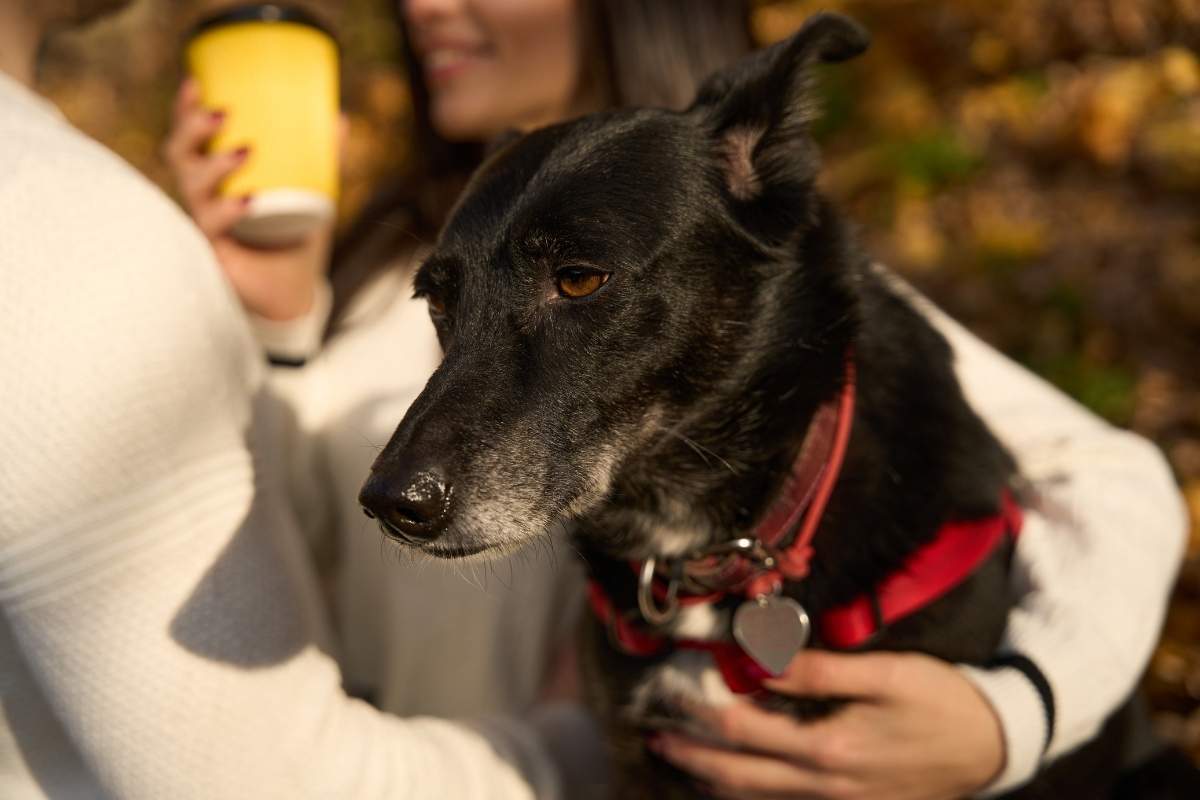

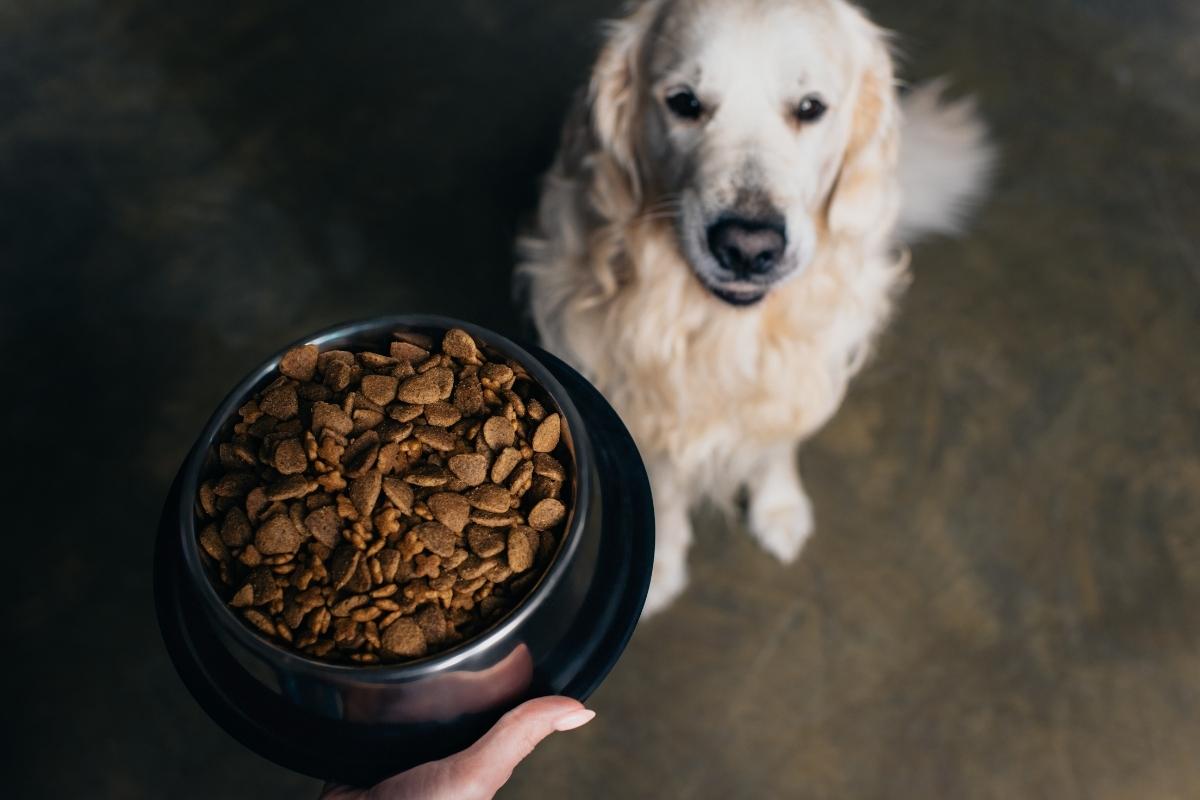
As your loyal companion’s muzzle turns gray and their pace slows down, your heart swells with even deeper love. These golden years are precious, and nothing matters more than keeping your senior dog comfortable and thriving. One of the most powerful ways you can support their aging body is through proper nutrition.
Understanding what are the healthiest foods for senior dogs are empowers you to make informed choices that directly impact their quality of life. The right diet can ease joint pain, maintain cognitive function, and add vibrant years to your time together.
Understanding Your Senior Dog’s Changing Nutritional Needs
Dogs don’t age the same way humans do, and their dietary requirements shift significantly during their senior years. Recognizing these changes is the foundation of proper nutrition.
How Aging Affects Your Dog’s Body
As dogs age, their bodies undergo significant physiological changes that directly impact nutritional requirements.
Key changes include:
- Slower metabolism: Senior dogs burn fewer calories, increasing obesity risk.
- Decreased muscle mass: Protein needs actually increase to maintain lean muscle.
- Joint deterioration: Inflammation increases, making anti-inflammatory nutrients crucial.
- Cognitive decline: Brain function can diminish without proper nutritional support.
- Weakened immune system: Antioxidants become even more important for fighting disease.
These changes mean your dog’s adult maintenance diet may no longer serve them well.
Essential Nutrients for Aging Dogs
Senior dogs need specific nutrients in carefully balanced amounts to address their unique health challenges.
High-Quality Protein Sources
Contrary to outdated beliefs, healthy senior dogs don’t need less protein. They actually need more high-quality, easily digestible protein to maintain muscle mass.
Excellent protein sources include:
- Chicken and turkey (lean, boneless)
- Fish like salmon and whitefish
- Eggs (cooked thoroughly)
- Lean beef and lamb
Look for foods where a named animal protein is the first ingredient, not vague terms like “meat meal.”
Healthy Fats and Omega Fatty Acids
Omega-3 fatty acids are particularly beneficial for senior dogs. They reduce joint inflammation, support cognitive function, and promote healthy skin.
Fish oil, flaxseed oil, and fatty fish like salmon are excellent sources. Many senior dog foods are now fortified with DHA and EPA specifically for these benefits.
For personalized dietary recommendations based on your dog’s specific health profile, consulting experts in senior pet care in Cottleville ensures your companion receives tailored nutritional guidance.
Top Healthy Foods for Your Senior Dog’s Diet
Beyond commercial food, several whole foods can supplement your aging dog’s diet with powerful nutritional benefits.
Superfoods for Senior Dogs
Incorporating these nutrient-dense foods can boost your senior dog’s health naturally.
Blueberries: Packed with antioxidants that fight free radicals and support brain health. They’re perfect low-calorie treats.
Salmon: Rich in omega-3 fatty acids that reduce inflammation and support joint health. Always serve cooked, never raw.
Sweet Potatoes: An excellent source of fiber, vitamins A and C, and beta-carotene supporting digestive health.
Carrots: Low-calorie, high-fiber treats that also support dental health through gentle abrasion while chewing.
Joint-Supporting Foods
Arthritis affects the majority of senior dogs. Certain foods naturally support joint health.
Consider adding:
- Bone broth: Rich in glucosamine and chondroitin for cartilage health
- Sardines: Packed with omega-3s and naturally contain glucosamine
- Green-lipped mussels: A natural source of joint-supporting nutrients
Always introduce new foods gradually to avoid digestive upset.
Foods to Avoid Feeding Senior Dogs
Just as some foods support senior health, others can cause serious harm.
Toxic and Harmful Foods
These foods are dangerous and can be especially harmful to seniors with compromised organ function:
- Chocolate: Contains theobromine, toxic to dogs
- Grapes and raisins: Can cause kidney failure
- Onions and garlic: Damage red blood cells
- Xylitol: Artificial sweetener extremely toxic to dogs
- High-sodium foods: Worsen heart and kidney conditions
- Fatty table scraps: Increase pancreatitis risk
Building a relationship with trusted local veterinary professionals supports your senior dog’s nutritional journey.
Feeding Tips for Senior Dogs
How you feed your senior dog matters as much as what you feed them.
Portion Control and Meal Frequency
Senior dogs are prone to weight gain due to decreased activity. Maintaining healthy weight reduces stress on joints.
Helpful strategies include:
- Measure portions precisely: Don’t estimate; use a measuring cup
- Feed smaller, more frequent meals: Two to three meals daily aids digestion
- Monitor weight regularly: Adjust portions accordingly
- Limit treats: Keep treats under 10% of daily caloric intake
Partnering with compassionate professionals like Cottleville Animal Hospital ensures your senior dog receives comprehensive care that complements proper nutrition.
Frequently Asked Questions:
Q1: Should I switch to senior dog food based on my dog’s age alone?
Ans: Not necessarily. Transition when you notice decreased activity, weight changes, or your veterinarian recommends it based on your dog’s individual health assessment.
Q2: Can I feed my senior dog a homemade diet?
Ans: Homemade diets can work but require careful planning. Always consult a veterinary nutritionist to formulate a balanced recipe specific to your senior dog’s needs.
Q3: Are grain-free diets better for senior dogs?
Ans: Not necessarily. Unless your dog has a diagnosed grain allergy, grains provide valuable nutrients. Recent research has linked some grain-free diets to heart problems.
Q4: How do I know if my senior dog’s food is causing digestive problems?
Ans: Signs include vomiting, diarrhea, excessive gas, or appetite loss. Transition to new foods gradually over seven to ten days to minimize upset.
Q5: Should I give my senior dog supplements?
Ans: Many seniors benefit from glucosamine, omega-3s, or probiotics. However, always consult your veterinarian before adding supplements to avoid interactions.
Q6: How much water should my senior dog drink daily?
Ans: Generally, dogs need one ounce per pound of body weight daily. Senior dogs may need more due to kidney changes. Report significant intake changes to your vet.