

Your dog’s skin is more than just a protective layer—it can be a window into their overall health. Changes in skin or coat can indicate underlying medical issues before more obvious symptoms appear. Recognizing these early warning signs helps pet owners act quickly and ensure proper treatment. In this guide, we’ll discuss five common skin signs in dogs that signal trouble early and what steps you can take to keep your furry friend healthy.
1. Red or Inflamed Skin
Redness, irritation, or inflamed patches are often one of the first visible signs of skin problems. These can be caused by:
- Allergies (food, environmental, or contact)
- Infections (bacterial or fungal)
- Parasites such as fleas or mites
Actionable Tip: If your dog scratches frequently or develops red patches, schedule a veterinary exam promptly. Early treatment can prevent infections and discomfort.
2. Excessive Itching or Scratching
While occasional scratching is normal, constant itching or persistent scratching can signal trouble. Common causes include:
- Allergic reactions
- Ectoparasites like fleas, ticks, or mites
- Dry skin due to dietary deficiencies or environmental factors
Actionable Tip: Keep a log of when scratching occurs, noting any seasonal patterns or dietary changes. This information helps your veterinarian pinpoint the cause.
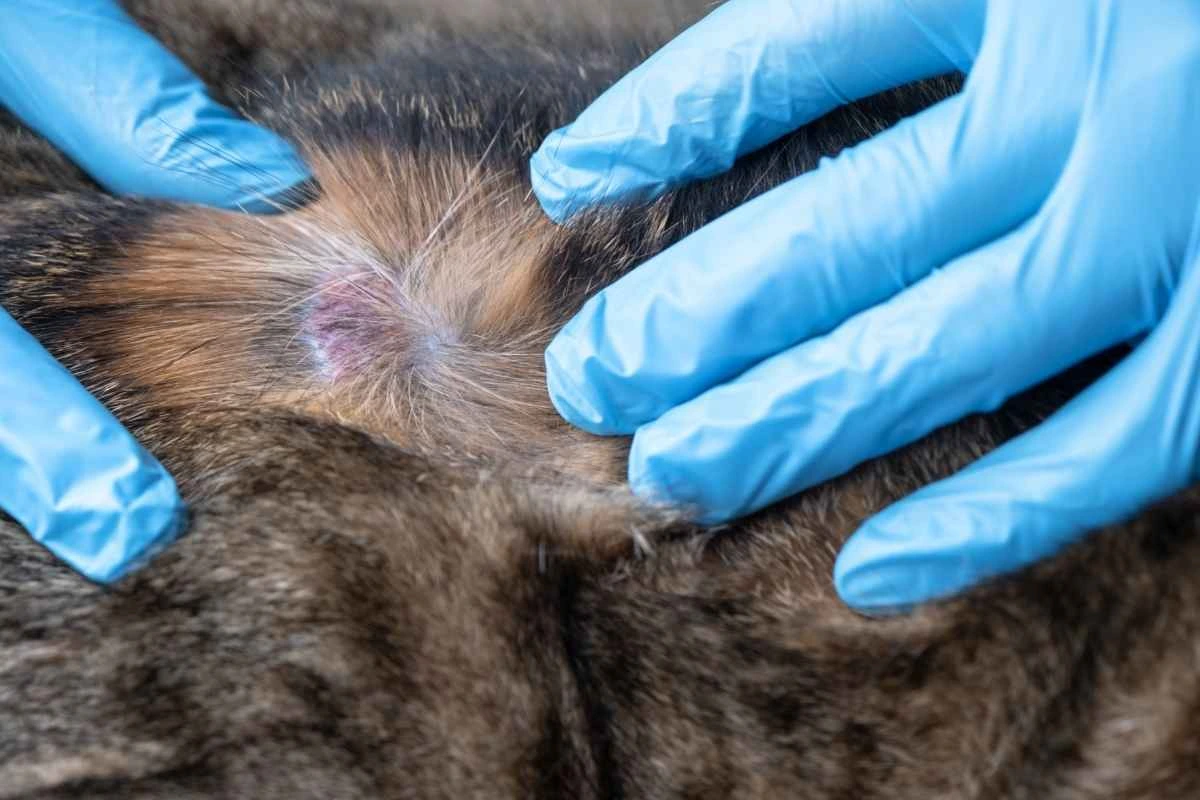
3. Hair Loss or Bald Patches
Patchy hair loss, thinning fur, or bald spots are not just cosmetic—they can indicate serious underlying conditions such as:
- Hormonal imbalances (thyroid or adrenal issues)
- Skin infections or fungal conditions
- Stress or behavioral disorders
Actionable Tip: Avoid self-medicating with over-the-counter products. A veterinarian can perform diagnostic tests to identify the exact cause and recommend targeted treatment.
4. Unusual Bumps, Lumps, or Growths
Skin lumps, bumps, or nodules can appear suddenly or gradually. While some are benign, others may be:
- Tumors or cysts
- Infections under the skin
- Insect bites or allergic reactions
Actionable Tip: Monitor size, shape, and texture. Any rapidly growing or painful lump warrants immediate veterinary evaluation. Early detection can be life-saving.
5. Scabs, Sores, or Crusty Patches
Persistent sores, scabs, or crusty areas on your dog’s skin may indicate infection, parasites, or autoimmune conditions. Common signs include:
- Thick, crusty areas around the ears, paws, or face
- Sores that do not heal within a few days
- Foul odor from affected skin
Actionable Tip: Keep the affected area clean and prevent your dog from licking or scratching. Seek veterinary care to determine whether antibiotics, topical treatment, or further diagnostics are needed.
Additional Tips to Maintain Healthy Skin and Coat
- Balanced Diet: High-quality nutrition with omega fatty acids supports a healthy coat.
- Regular Grooming: Brushing removes debris and helps detect abnormalities early.
- Flea and Tick Control: Preventing parasites reduces irritation and secondary infections.
- Bathing: Use veterinarian-recommended shampoos and avoid harsh chemicals.
- Routine Vet Visits: Annual or semi-annual checkups help catch issues before they escalate.
By following these steps, you can support your dog’s skin health and overall well-being.
Recognizing five common skin signs in dogs that signal trouble early is vital for your pet’s health. Redness, excessive scratching, hair loss, lumps, and scabs are all signals to take seriously. Prompt veterinary care, proper grooming, and balanced nutrition are essential steps to ensure your dog remains comfortable and healthy.
At Cottleville Animal Hospital in Cottleville, MO, our team is dedicated to helping pet owners detect and address skin problems early, supporting long-term wellness and a happy, active life for your furry companion.
Conveniently located in Cottleville, MO, if you are looking for help identifying skin signs in dogs, then Cottleville Animal Hospital is the best choice for you. Our caring team specializes in canine skin health, providing expert guidance to detect issues early and keep your furry friend comfortable and healthy.
FAQs:
Q1. When should I be concerned about red skin on my dog?
Ans. If redness persists for more than a few days or is accompanied by itching, swelling, or discharge, schedule a veterinary visit promptly.
Q2. Can allergies cause hair loss in dogs?
Ans. Yes, allergies—whether environmental or food-related—can lead to itching and hair loss over time. Your vet can help identify triggers.
Q3. How do I know if a lump is serious?
Ans. Any rapidly growing, firm, or painful lump should be evaluated by a veterinarian. Early examination is key to proper treatment.
Q4. Are scabs always a sign of infection?
Ans. Not always. Scabs can result from minor trauma or scratching, but persistent or spreading sores may indicate infection or other skin disorders.
Q5. How often should I groom my dog to maintain healthy skin?
Ans. Grooming frequency depends on coat type, but generally once or twice a week for brushing and monthly baths with vet-approved products is effective.
Q6. Can diet really impact my dog’s skin and coat?
Ans. Absolutely. Nutritional deficiencies, especially in fatty acids and protein, can lead to dry skin, dull coats, and increased susceptibility to infections.