

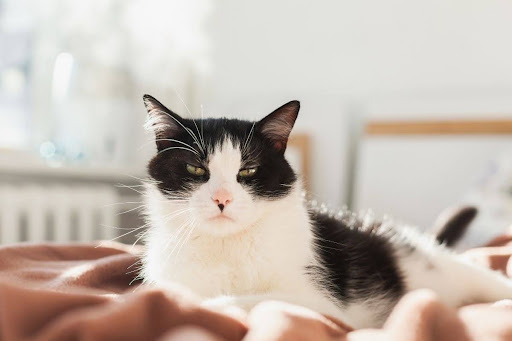
Have you ever heard your cat make a quick, bird-like sound and wondered what it means? Cat chirping is a fascinating vocal behavior that can reveal a lot about your feline companion’s emotions, attention, and instincts. Unlike a traditional meow, chirps are usually short, high-pitched sounds that may occur when a cat watches birds through a window, plays with a toy, or interacts with people.
For many cats, chirping is completely normal. However, understanding the situation surrounding the sound is important because feline communication depends heavily on context and body language. Paying attention to when your cat chirps, what they are looking at, and how their body responds can help you better understand their behavior.
What Is Cat Chirping?
Cat chirping is a short vocalization that may sound similar to a bird’s tweet. Some people also describe it as chattering, trilling, or chittering. The sound is generally different from a standard meow because it tends to be shorter and may occur in a series of quick, repetitive noises.
Cats can produce many types of vocalizations, and chirping is only one part of their communication. The meaning can vary between individual cats. Some cats chirp frequently, while others rarely make the sound.
The setting in which chirping occurs can provide important clues. A cat staring intensely through a window while chirping may be responding to something it finds exciting. A cat chirping while walking toward its owner may be communicating differently.
Rather than interpreting every chirp as having one specific meaning, consider the entire situation. Your cat’s posture, facial expression, tail position, ears, and activity can all help provide context.
Why Do Cats Chirp?
Cat Chirping May Reflect Excitement
One of the most common situations associated with chirping is excitement. Cats may become highly focused when they notice something interesting, such as a bird, squirrel, insect, or moving object.
The sound may occur alongside intense visual attention. Your cat may sit near a window, follow the movement outside, twitch its tail, and make several quick chirping sounds.
This does not necessarily mean your cat is distressed. Instead, the behavior may simply reflect a high level of interest or stimulation.
Chirping Can Be Connected to Hunting Instincts
Cats are natural predators, and many behaviors seen in household cats are connected to their hunting instincts. Watching prey can activate this instinct even when a cat has no opportunity or intention to hunt.
Cat chirping at birds is particularly common. A cat may stare at a bird outside and begin making rapid sounds while remaining completely still.
Researchers and behavior experts have proposed several explanations for this behavior, including excitement, frustration, and possible connections to predatory vocalization. However, there is no single explanation that applies to every cat.
A cat may also chirp while watching a toy move across the floor. This can happen when play mimics the movement and unpredictability of prey.
Your Cat May Chirp When Seeking Attention
Not every chirp is related to hunting. Some cats use chirping as a way to interact with people.
For example, your cat may chirp when you enter the room, walk toward you, or begin preparing its food. The behavior may be part of a social interaction rather than a response to prey.
If your cat regularly chirps when approaching you, observe what happens next. Your cat may lead you toward a favorite toy, food area, window, or another part of the house.
Over time, you may begin recognizing individual sounds and the situations that commonly trigger them.
What Does a Cat Chirp Sound Like?
A typical cat chirp is short and relatively high-pitched. It may sound like a quick “trill,” “tweet,” or series of clicks. Some cats make a single chirp, while others produce several sounds in rapid succession.
The exact sound varies from cat to cat. Age, personality, environment, and individual communication habits can all influence vocal behavior.
You may notice your cat chirping:
- While watching birds or other animals
- During interactive play
- When approaching a familiar person
- When looking out a window
- While following something interesting
- When excited about food or attention
The sound itself is useful, but it should not be considered separately from your cat’s body language.
How Body Language Helps Explain Cat Chirping
Understanding your cat’s body language can make chirping easier to interpret.
Ears and Eyes
A cat watching something fascinating may have forward-facing ears and wide, focused eyes. This posture can indicate strong interest and concentration.
If the ears become flattened or pulled backward, however, your cat may be experiencing fear, irritation, or overstimulation.
Tail Position
Tail movement can also provide clues. A relaxed tail generally suggests a comfortable emotional state, while rapid or forceful tail movements may indicate agitation.
Pay attention to the overall combination of behaviors rather than relying on one signal.
Body Position
A cat that is crouched low while watching a bird may be displaying a predatory posture. A cat standing upright and approaching you while chirping may be communicating socially.
These differences can help you determine whether the chirp is associated with play, hunting behavior, curiosity, or interaction.
Is Cat Chirping Normal?
In most cases, occasional chirping is a normal part of feline communication. If your cat has always chirped when watching birds or playing and otherwise behaves normally, there may be no reason for concern.
Cats have individual personalities, and some are naturally more vocal than others. A cat that chirps frequently may simply have developed chirping as part of its normal communication style.
However, a sudden change in vocal behavior deserves attention. Changes in the frequency, intensity, or circumstances of vocalization can sometimes accompany changes in health or emotional well-being.
Consider whether the chirping is occurring alongside other changes, such as hiding, reduced appetite, unusual aggression, difficulty moving, excessive vocalization, changes in litter box habits, or signs of discomfort.
If several unusual changes occur at the same time, speaking with a veterinary professional can help determine whether further evaluation is appropriate.
When Should You Be Concerned About Your Cat’s Chirping?
Chirping alone is usually not a reason to panic. The more important issue is whether it represents a significant change in your cat’s normal behavior.
Pay closer attention if your cat suddenly begins making unusual sounds and also appears uncomfortable or unwell. Other concerning signs may include:
- Reduced interest in food or water
- Hiding more than usual
- Sudden changes in activity
- Difficulty walking or jumping
- Changes in litter box behavior
- Repeated signs of discomfort
- Breathing difficulties
- Unusual aggression or fear
- Persistent vocalization without an obvious trigger
Cats can be very good at hiding signs of illness, so behavioral changes may sometimes be among the first clues that something is wrong. Veterinary evaluation can help distinguish an ordinary behavioral variation from a potential health concern.
How to Respond When Your Cat Chirps
If your cat chirps while watching birds or playing, you generally do not need to stop the behavior. Instead, observe what is happening around your cat.
If your cat enjoys looking outside, providing a secure window perch can offer mental stimulation. Interactive toys can also provide opportunities for safe play that engage natural stalking and chasing behaviors.
Avoid forcing interaction when your cat appears overstimulated. If the ears flatten, the tail begins lashing aggressively, or your cat attempts to move away, give your pet some space.
You can also keep a simple mental note of when chirping occurs. Over time, patterns may become clear. You might discover that your cat chirps every morning while watching birds, during evening play sessions, or whenever a family member returns home.
These patterns can help you understand your cat’s individual communication style.
How a Veterinarian Can Help With Unusual Vocal Behavior
Behavioral changes can sometimes have physical causes. Pain, illness, stress, or other underlying problems may affect how a cat interacts with its environment.
A veterinarian can evaluate your cat’s overall condition and discuss the behavior with you. During a visit, be prepared to explain when the chirping began, how often it occurs, what appears to trigger it, and whether any other changes have occurred.
If possible, recording a short video of the behavior can also be helpful. A video allows the veterinary team to see the vocalization and body language in the context in which it normally happens.
Pet owners looking for a Cottleville veterinarian can seek professional guidance when a cat’s behavior changes or when they are uncertain whether a vocalization is normal. A veterinary professional can consider both behavioral and physical factors rather than focusing on the sound alone.
Cottleville pet owners can also look for an animal hospital in Cottleville when they need professional evaluation for a cat displaying unusual behavior or other concerning signs. Having an established veterinary relationship can make it easier to recognize meaningful changes in your cat over time.
Understanding Your Cat’s Unique Language
Cat chirping is one of the many ways cats communicate with the world around them. Whether your cat chirps at birds, toys, people, or other interesting sights, the behavior can provide valuable insight into its attention, instincts, and personality.
The key is to look beyond the sound itself. Notice your cat’s body language, environment, routine, and overall behavior. Understanding these details can help you recognize what is normal for your individual pet and identify changes that may deserve professional attention.
For pet owners seeking a veterinarian near you, professional guidance can be especially helpful when a new vocal behavior appears with other changes. Cottleville Animal Hospital supports local pet owners with comprehensive veterinary services and an emphasis on both physical and emotional well-being.
Ultimately, getting to know your cat’s unique communication style can strengthen your relationship and help you become more attentive to its needs. At Cottleville Animal Hospital, the veterinary team is committed to helping pets and their families receive thoughtful, personalized care throughout their lives. If you are concerned about a significant change in your cat, contact our animal hospital for guidance.
Frequently Asked Questions
1. Why does my cat chirp at birds?
Ans: Cats commonly chirp while watching birds because the movement can trigger intense curiosity and natural predatory instincts. The sound may be associated with excitement, frustration, or focused attention. The exact reason can vary between individual cats.
2. Is cat chirping a sign that my cat is happy?
Ans: It can be associated with positive excitement or social interaction, but chirping does not have one universal emotional meaning. Consider your cat’s body language and the situation. A relaxed cat chirping during play may simply be excited and engaged.
3. Why does my cat chirp at me?
Ans: Some cats chirp when interacting with people. Your cat may be seeking attention, inviting interaction, expressing excitement, or communicating about something it wants. Watching what your cat does immediately before and after chirping can help you identify the pattern.
4. Do kittens chirp too?
Ans: Yes. Kittens can chirp and develop different vocalization patterns as they grow. Play, curiosity, social interaction, and exciting sights can all encourage vocal behavior. Individual kittens may differ considerably in how often they chirp.
5. Should I stop my cat from chirping?
Ans: Usually, there is no need to stop normal chirping. If your cat is otherwise comfortable and healthy, chirping can simply be part of its natural communication. Instead of discouraging it, observe the circumstances in which it happens.
6. When should I ask a veterinarian about my cat’s chirping?
Ans: Consider veterinary advice if chirping suddenly changes or occurs alongside signs such as reduced appetite, hiding, changes in activity, discomfort, breathing problems, or other unusual behaviors.