Dogs and cats experience the world through their senses, behaviors, and unique physical characteristics. One important part of their daily comfort is maintaining a stable body temperature. Changes in outdoor temperatures can affect pets differently depending on their age, size, coat, breed, health, and activity level. Understanding how pets respond to heat and cold can help owners create a safer and more comfortable environment throughout the year.
For pet owners seeking veterinary care in Cottleville, learning how temperature affects pets is an important part of responsible daily care. Simple adjustments at home, combined with appropriate pet preventative care, can help support your companion’s comfort as the seasons change.
How Dogs and Cats Regulate Body Temperature
Dogs and cats regulate their body temperature differently from humans. While people rely heavily on sweating to release excess heat, dogs primarily cool themselves through panting. Cats also use grooming, changes in activity, and seeking cooler locations to help manage their temperature.
A pet’s ability to regulate body heat can be influenced by several factors, including:
- Age and overall health
- Body weight and physical condition
- Breed and body size
- Coat length and density
- Activity level
- Humidity and air temperature
- Access to water and comfortable shelter
Because of these differences, two pets living in the same household may respond very differently to the same weather conditions.
How Dogs Handle Hot Weather
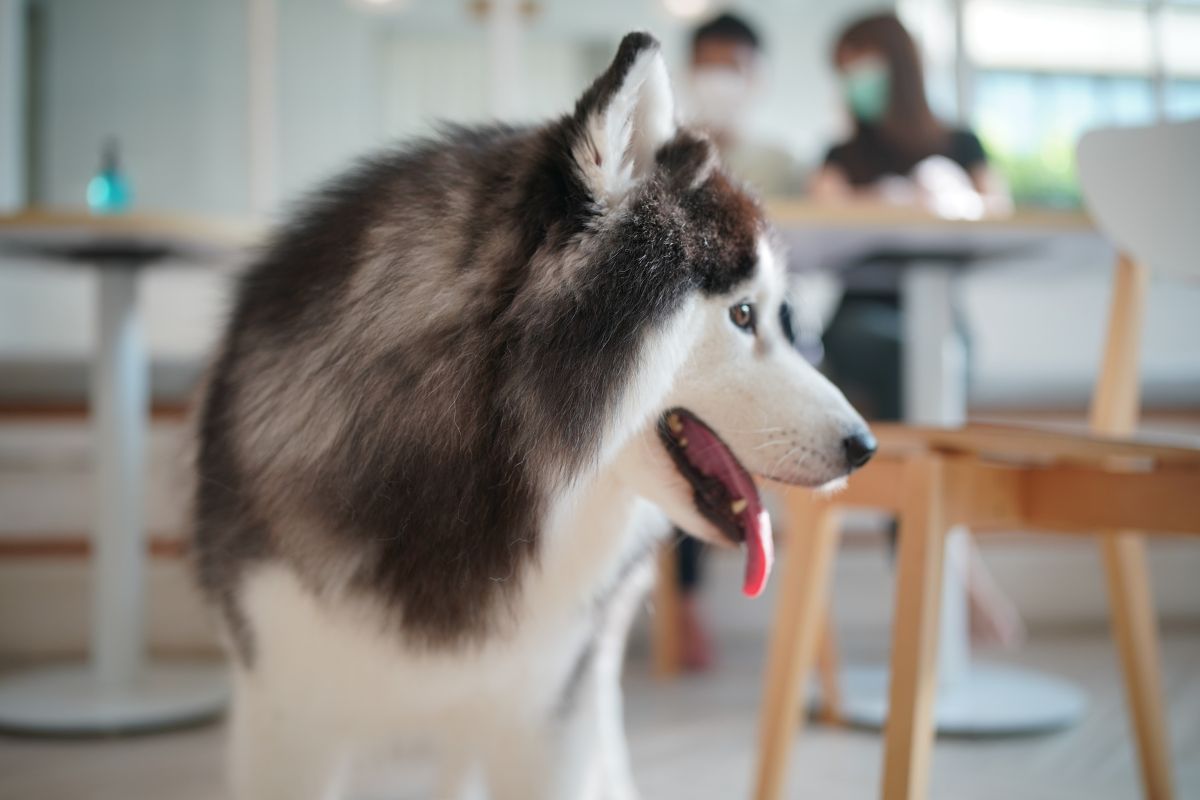
Dogs can become uncomfortable when temperatures rise, particularly during physical activity or extended outdoor exposure. Panting is a normal way for dogs to release heat, but heavy or persistent panting may indicate that a dog is struggling to stay comfortable.
During warmer weather, pet owners can help by providing:
- Fresh drinking water throughout the day
- A shaded or air-conditioned resting area
- Shorter outdoor activities during the hottest hours
- Access to cool indoor flooring
- Regular grooming appropriate for the dog’s coat type
Exercise should also be adjusted according to the weather. A long walk may be comfortable on a mild morning but excessive during the hottest part of the afternoon. Paying attention to your dog’s behavior can help you determine when it is time to take a break.
How Cats Respond to Temperature Changes
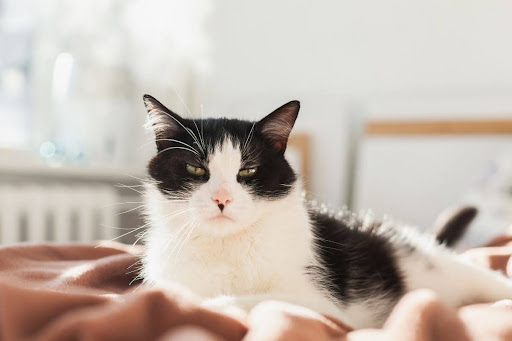
Cats are generally skilled at finding comfortable places to rest. During hot weather, you may notice your cat spending more time on cool floors, stretching out instead of curling up, or reducing physical activity.
Cats also groom themselves more frequently in warm conditions. As saliva evaporates from their fur, it can provide some cooling.
During colder weather, cats may seek warm bedding, sunny windows, blankets, or areas close to household heating sources. Indoor cats can still be affected by seasonal temperature changes, especially if their environment becomes unusually warm or cold.
Providing comfortable resting spaces and allowing your cat to choose where it feels most comfortable can help support healthy temperature regulation.
Why Some Pets Are More Sensitive to Temperature
Not every pet handles temperature changes equally well. Puppies, kittens, senior pets, and animals with certain health conditions may have more difficulty regulating body temperature.
Short-nosed breeds may also be less efficient at cooling themselves through panting. Likewise, very young and older pets may require closer observation when the weather changes.
Pets that are overweight may also experience greater difficulty staying comfortable in hot conditions. Maintaining a healthy weight through appropriate nutrition and activity is therefore an important component of pet preventative care.
If you notice that your pet consistently struggles with temperature changes, discussing those observations with a vet can help determine whether an underlying health concern could be contributing.
Keeping Pets Comfortable During Cold Weather
Cold temperatures can be uncomfortable for pets, particularly those with short coats, small body sizes, or lower body fat. Even pets with thick coats may need additional protection during prolonged exposure to cold conditions.
At home, consider providing:
- A warm, dry sleeping area
- Comfortable bedding away from drafts
- Fresh water that is easily accessible
- Limited outdoor exposure during particularly cold periods
- Extra attention to senior pets and pets with mobility concerns
Dogs that spend time outdoors should always have access to appropriate shelter from wind, rain, and cold temperatures. Cats that spend time outside may also benefit from safe, warm areas where they can rest.
Recognizing Behavioral Changes Caused by Temperature
Pets cannot tell us when they are uncomfortable, so their behavior can provide useful clues. Changes may include reduced activity, seeking unusual resting locations, excessive panting, increased grooming, reluctance to go outside, or repeatedly trying to move toward warmer or cooler areas.
Pay attention to patterns rather than relying on one behavior alone. A pet that normally enjoys outdoor activity but suddenly wants to remain indoors may be responding to uncomfortable weather conditions.
Regular wellness examinations can also help monitor changes in weight, physical condition, skin and coat health, and overall well-being. Routine monitoring is an important part of veterinary care in Cottleville and can help owners make informed decisions about their pets’ daily needs.
Seasonal Temperature Changes and Pet Preventative Care
Temperature management is only one part of keeping pets healthy throughout the year. Seasonal changes can also affect activity levels, nutrition, grooming needs, skin health, and parasite exposure.
A comprehensive pet preventative care plan considers the individual animal rather than applying the same routine to every dog or cat. Age, breed, lifestyle, weight, environment, and existing health concerns can all influence the type of care a pet needs.
Routine veterinary visits provide an opportunity to discuss seasonal changes with a professional. Pet owners can ask about appropriate exercise, nutrition, weight management, grooming, environmental adjustments, and other ways to support their companion’s well-being.
For owners looking for vets near you, developing an ongoing relationship with a veterinary team can make it easier to track changes in your pet’s health over time.
When to Talk With a Veterinarian
Occasional changes in behavior are common as temperatures fluctuate. However, persistent or unusual changes should not simply be attributed to the weather.
Consider talking with a veterinarian if your pet shows ongoing changes in appetite, activity, breathing, hydration, behavior, or comfort. A veterinary professional can evaluate your pet and determine whether the changes are related to environmental conditions or another health concern.
Keeping notes about when the changes occur can also be helpful. Recording the weather, activity level, eating habits, and behavior may give your vet useful information during an examination.
Helping Your Pet Stay Comfortable Year-Round
Dogs and cats have different ways of responding to temperature changes, but both benefit from a comfortable environment, proper hydration, balanced nutrition, appropriate activity, and attentive observation. Understanding your pet’s normal behavior makes it easier to notice when something has changed.
Regular checkups also provide an opportunity to discuss seasonal concerns and make adjustments based on your pet’s age, lifestyle, weight, and overall health. These proactive habits form an important part of responsible pet ownership.
For families seeking reliable veterinary care in Cottleville, Cottleville Animal Hospital provides comprehensive care designed to support pets throughout different life stages. The hospital’s veterinary team focuses on whole-pet wellness, preventive care, diagnostics, nutrition, and other services that contribute to long-term health and comfort.
If you have questions about how seasonal temperature changes may affect your companion, schedule an appointment with our animal hospital to discuss your pet’s individual needs and ways to help keep them comfortable throughout the year.
Frequently Asked Questions
1. Do dogs and cats feel temperature changes differently?
Ans: Yes. Dogs and cats have different methods of regulating body temperature, and individual factors such as breed, coat, age, size, and health can influence how they respond to hot or cold weather.
2. How can I help my dog stay comfortable during hot weather?
Ans: Provide plenty of fresh water, access to a cool indoor or shaded area, and adjust outdoor activities during warmer periods. Watch your dog’s behavior and avoid excessive activity in uncomfortable conditions.
3. Do indoor cats need protection from temperature changes?
Ans: Yes. Indoor cats can still become uncomfortable when household temperatures change significantly. Providing access to warm bedding during cold weather and cooler resting areas during warm weather can help.
4. Are senior pets more sensitive to temperature changes?
Ans: Senior pets may have more difficulty adapting to temperature changes, particularly when they have age-related health or mobility concerns. Regular veterinary care can help monitor their overall condition.
5. Can a pet’s weight affect temperature regulation?
Ans: Yes. Being overweight can make it harder for some pets to remain comfortable in warm conditions. Maintaining a healthy weight through appropriate nutrition and activity is an important part of preventive care.
6. When should I discuss temperature-related behavior with a vet?
Ans: If your pet has persistent changes in activity, appetite, breathing, hydration, behavior, or general comfort, discuss those observations with a veterinarian. An examination can help determine whether the changes are environmental or related to another health concern.