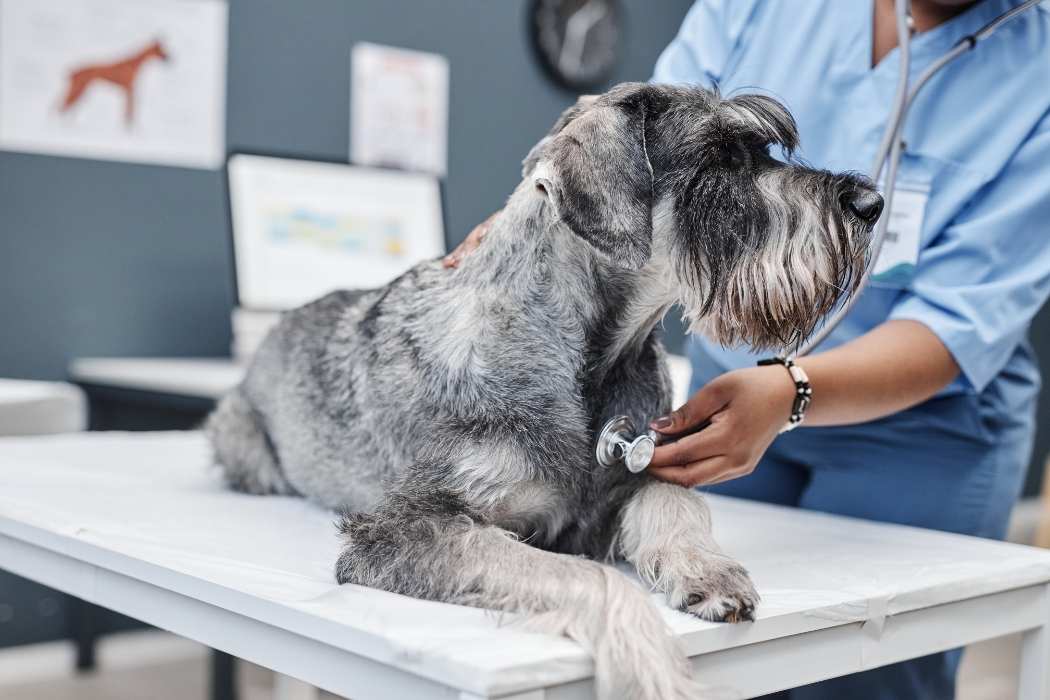


Pets are beloved members of the family, and every pet owner wants their companion to live a long, healthy, and happy life. While proper nutrition, exercise, and affection are important, routine wellness testing plays a critical role in protecting your pet’s overall health. Many illnesses in dogs and cats develop gradually and may not show obvious symptoms until the condition has progressed. Regular wellness testing allows veterinarians to detect potential health concerns early, often before your pet appears sick.
Preventive care is a priority because early detection can make treatment more effective, less invasive, and more affordable. Through comprehensive wellness exams and diagnostic testing, our veterinary team helps pets maintain better health at every stage of life.
What Is Routine Wellness Testing?
Routine wellness testing includes a series of examinations and diagnostic screenings designed to monitor your pet’s internal health. These tests help veterinarians evaluate organ function, identify infections, monitor chronic conditions, and detect hidden diseases early.
Wellness testing may include:
- Bloodwork
- Urinalysis
- Fecal testing
- Heartworm testing
- Parasite screenings
- Blood pressure monitoring
- Thyroid testing
- Imaging recommendations when needed
Even pets that seem healthy can have underlying medical conditions. Routine testing provides a clearer picture of your pet’s health and establishes a baseline for future comparisons.
Why Early Detection Matters
One of the biggest advantages of wellness testing is identifying diseases before symptoms become severe. Pets naturally hide signs of illness, making it difficult for owners to recognize when something is wrong.
Conditions commonly detected through preventive testing include:
- Kidney disease
- Liver disease
- Diabetes
- Thyroid disorders
- Heart disease
- Urinary tract infections
- Parasites
- Anemia
- Certain cancers
When health problems are discovered early, treatment can often begin sooner, improving your pet’s comfort and long-term prognosis.
Wellness Testing for Puppies and Kittens
Young pets benefit greatly from routine veterinary visits and early diagnostic testing. Puppies and kittens are still developing immune systems and may be vulnerable to parasites, infections, and congenital conditions.
During wellness visits, veterinarians may recommend:
- Fecal exams for intestinal parasites
- Vaccination schedules
- Nutritional guidance
- Growth monitoring
- Baseline bloodwork if needed
Early preventive care establishes healthy habits and helps ensure your new companion starts life on the right path.
Adult Pets Need Preventive Testing Too
Many pet owners assume wellness testing is only necessary for older pets, but adult dogs and cats also benefit from routine screenings. Diseases can develop silently during adulthood, even when pets appear active and healthy.
Annual wellness testing helps veterinarians:
- Compare results over time
- Detect subtle health changes
- Monitor weight and metabolism
- Evaluate organ health
- Identify nutritional deficiencies
Routine screenings are an important part of pet preventative care and help support your pet’s long-term quality of life.
Senior Pets Require More Frequent Monitoring
As pets age, their risk of developing chronic illnesses increases. Senior pets often benefit from wellness testing every six months rather than once yearly.
Age-related conditions such as arthritis, diabetes, kidney disease, and heart disease can progress rapidly if left untreated. Frequent testing allows veterinarians to adjust care plans and monitor treatment effectiveness.
Senior wellness testing may include:
- Comprehensive blood panels
- Urinalysis
- Blood pressure evaluation
- Thyroid testing
- X-rays or ultrasound recommendations
- Arthritis assessments
Early intervention can help senior pets remain comfortable, active, and healthier for longer.
The Role of Bloodwork in Pet Wellness
Blood testing is one of the most valuable tools in preventive veterinary medicine. Routine bloodwork provides insight into your pet’s internal health and can reveal abnormalities long before visible symptoms appear.
Blood tests can evaluate:
- Kidney function
- Liver function
- Blood sugar levels
- Red and white blood cell counts
- Electrolytes
- Infection markers
For pets undergoing surgery, pre-anesthetic bloodwork also helps veterinarians identify hidden risks and improve safety during procedures.
Why Fecal and Parasite Testing Is Important
Intestinal parasites are common in both dogs and cats and may not always cause noticeable symptoms. Some parasites can also spread to humans, making routine screenings important for the entire household.
Fecal testing helps detect:
- Roundworms
- Hookworms
- Giardia
- Whipworms
- Tapeworms
Routine parasite prevention and testing are essential components of preventive veterinary care and help protect both pets and families.
Monitoring Weight and Nutrition
Weight management is another important aspect of routine wellness care. Obesity in pets can contribute to serious health conditions, including diabetes, arthritis, heart disease, and reduced mobility.
During wellness visits, your veterinarian will evaluate your pet’s:
- Weight
- Body condition score
- Diet
- Exercise habits
- Nutritional needs
Nutritional recommendations may change as pets age or develop medical conditions. Regular monitoring helps ensure pets maintain a healthy weight and lifestyle.
How Wellness Testing Saves Money Long-Term
Some pet owners hesitate to schedule routine testing because they are concerned about costs. However, preventive care often reduces long-term veterinary expenses by catching problems early before they become severe or require emergency treatment.
For example:
- Early kidney disease management may delay progression
- Detecting diabetes early can prevent complications
- Identifying infections quickly may avoid hospitalization
Routine wellness care is often more affordable than treating advanced illnesses later.
Signs Your Pet Needs a Veterinary Visit
Even with regular wellness testing, pet owners should watch for signs that may indicate illness.
Schedule a veterinary visit if your pet experiences:
- Changes in appetite
- Weight loss or gain
- Increased thirst
- Vomiting or diarrhea
- Lethargy
- Difficulty walking
- Persistent coughing
- Skin irritation
- Changes in urination
Prompt veterinary attention can help prevent minor concerns from becoming serious health problems.
Why Choose Our Animal Hospital
Choosing the right veterinary provider is essential for your pet’s ongoing health and comfort. At Cottleville Animal Hospital, our team is committed to providing compassionate, comprehensive care tailored to your pet’s unique needs.
Why choose our animal hospital?
- Experienced veterinary professionals
- Personalized wellness care plans
- Advanced diagnostic capabilities
- Preventive care for pets of all ages
- Compassionate support for pet owners
- Focus on early disease detection and long-term wellness
Our goal is to help pets enjoy healthier lives through proactive and preventive veterinary medicine.
The Importance of Building a Preventive Care Routine
Consistency is one of the most important aspects of maintaining your pet’s health. Regular veterinary visits allow your veterinarian to track trends in your pet’s health over time and make recommendations before serious issues develop.
Preventive care routines may include:
- Annual wellness exams
- Vaccinations
- Dental care
- Routine bloodwork
- Parasite prevention
- Nutritional counseling
- Senior health screenings
Working closely with a trusted Cottleville veterinarian helps ensure your pet receives the care they need throughout every stage of life.
Schedule an Appointment for Preventive Pet Care
Routine wellness testing is one of the best ways to protect your pet’s health and detect medical concerns early. Whether you have a playful puppy, an active adult pet, or a senior companion, preventive testing helps support a healthier and happier future.
If your pet is due for a wellness exam or diagnostic screening, schedule an appointment with Cottleville Animal Hospital today. Our caring veterinary team is here to provide trusted preventive care and personalized support for your beloved companion.
Frequently Asked Questions
1. How often should my pet have wellness testing?
Ans: Most adult pets should have wellness testing once a year. Senior pets or pets with chronic conditions may require testing every six months.
2. What does routine wellness bloodwork check for?
Ans: Bloodwork evaluates organ function, blood cell counts, blood sugar levels, infections, and other important health indicators.
3. Is wellness testing necessary if my pet seems healthy?
Ans: Yes. Many diseases develop without visible symptoms in the early stages. Routine testing can identify problems before they become serious.
4. At what age should senior wellness testing begin?
Ans: Dogs and cats are generally considered seniors around seven years of age, though this may vary depending on breed and size.
5. Are wellness tests painful for pets?
Ans: Most wellness tests are quick and minimally invasive. Blood draws and sample collections are typically well tolerated by pets.
6. Can preventive care reduce future veterinary costs?
Ans: Yes. Detecting health issues early often allows for less expensive and more effective treatment compared to managing advanced disease.