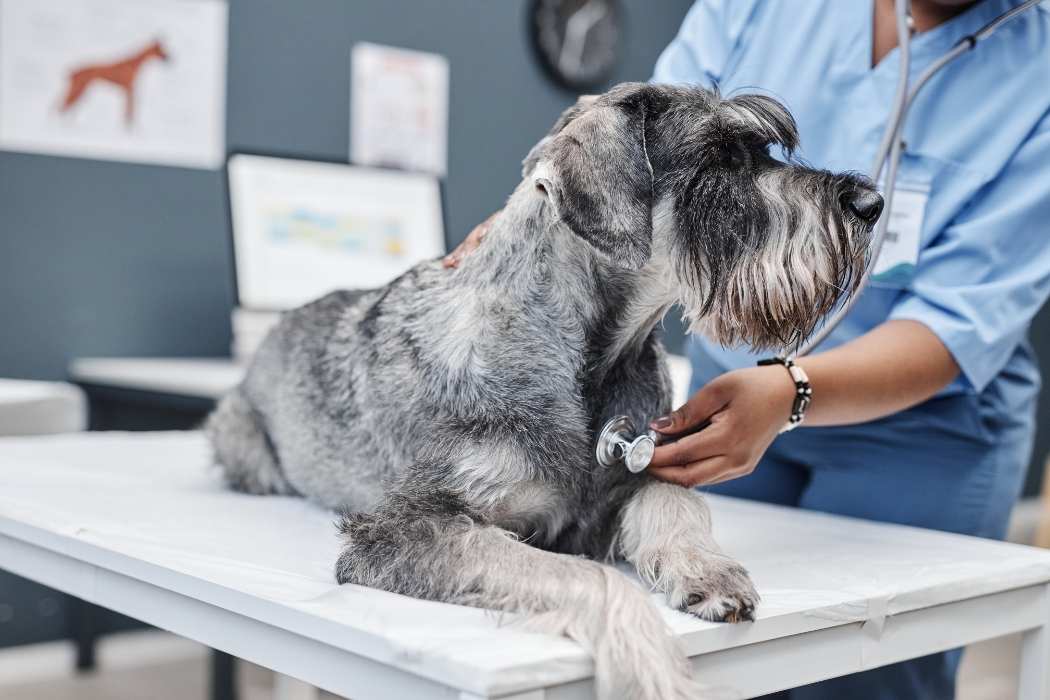


Pets have a remarkable ability to hide discomfort and illness. By the time obvious symptoms appear, a health condition may have already progressed. That is why preventative veterinary care plays such an important role in helping pets live longer, healthier lives. Routine wellness visits give veterinarians the opportunity to identify subtle changes in your pet’s health before they become more serious and more difficult to manage.
For pet owners in Cottleville, preventative care is one of the most valuable investments they can make in their companion’s well-being. From monitoring weight changes and dental health to evaluating mobility and organ function, regular veterinary checkups provide a complete picture of your pet’s overall health. Working with a trusted Cottleville veterinarian can help detect problems early, improve treatment outcomes, and provide peace of mind throughout every stage of your pet’s life.
What Is Preventative Veterinary Care?
Preventative veterinary care focuses on maintaining your pet’s health and identifying potential concerns before they develop into significant medical issues. Rather than waiting until a pet becomes visibly ill, preventative care emphasizes routine evaluations and ongoing monitoring.
Preventative care may include:
- Comprehensive physical examinations
- Dental evaluations
- Routine bloodwork and laboratory testing
- Weight and nutritional assessments
- Parasite screenings
- Behavioral evaluations
- Senior pet health monitoring
- Lifestyle and activity assessments
These services allow veterinarians to establish a health baseline for your pet. Once a baseline is established, even minor changes can be detected more quickly during future visits.
Why Early Detection Matters
Many common health conditions in dogs and cats develop gradually. Unfortunately, pets often continue eating, playing, and behaving relatively normally during the early stages of illness.
Early detection offers several benefits, including:
- More treatment options
- Lower long-term healthcare costs
- Better quality of life
- Improved recovery outcomes
- Reduced discomfort for your pet
Health concerns such as kidney disease, diabetes, arthritis, thyroid disorders, heart conditions, and dental disease can all begin with subtle signs that may be difficult for owners to notice at home.
Routine exams conducted by experienced vets near you can identify these issues before they significantly impact your pet’s daily life.
Common Health Problems Preventative Care Can Identify
Dental Disease
Dental disease is one of the most common conditions seen in pets. Bad breath is often dismissed as normal, but it can indicate gum inflammation, infection, or tooth decay.
During preventative visits, veterinarians assess:
- Gum health
- Tooth wear
- Plaque and tartar buildup
- Oral masses
- Signs of pain while chewing
Untreated dental disease can eventually affect other organs and reduce a pet’s quality of life. Detecting oral problems early allows veterinarians to recommend appropriate dental care before complications develop.
Weight-Related Concerns
Obesity is a growing issue among household pets. Excess weight places additional stress on joints, the heart, and internal organs.
Routine checkups help monitor:
- Weight trends
- Body condition scores
- Muscle mass changes
- Dietary needs
Conversely, unexplained weight loss can also indicate underlying health concerns. A veterinarian may recommend additional testing if a pet loses weight unexpectedly.
Arthritis and Mobility Issues
Many pet owners assume slowing down is simply part of aging. However, changes in activity levels can indicate arthritis or other musculoskeletal issues.
Signs commonly detected during preventative visits include:
- Joint stiffness
- Difficulty standing
- Reduced mobility
- Changes in posture
- Limping or favoring limbs
Early intervention can help improve comfort and maintain mobility for years to come.
Heart Disease
Heart conditions often develop gradually and may not cause noticeable symptoms initially. During a physical examination, veterinarians listen for:
- Heart murmurs
- Irregular heart rhythms
- Changes in breathing patterns
Detecting heart abnormalities early can lead to further evaluation and timely treatment recommendations.
Kidney and Liver Disease
Routine bloodwork is a valuable component of pet preventative care in Cottleville. Laboratory testing can reveal abnormalities associated with kidney and liver function before a pet appears sick.
Early signs of organ disease may include:
- Increased thirst
- Increased urination
- Mild lethargy
- Appetite changes
When these conditions are identified early, veterinarians can often help manage them more effectively.
The Importance of Routine Wellness Exams
A wellness examination provides much more than a quick health check. Veterinarians assess your pet from nose to tail, looking for changes that could indicate an underlying issue.
During a typical wellness exam, your veterinarian may evaluate:
- Eyes and ears
- Skin and coat condition
- Teeth and gums
- Heart and lung function
- Body weight
- Abdomen and internal organs
- Joint mobility
- Behavioral changes
Pets age faster than humans, meaning significant health changes can occur within a relatively short period. Annual or semi-annual examinations allow veterinarians to track these changes and identify concerns before they become severe.
For many families, partnering with a trusted Cottleville veterinarian creates continuity of care that benefits pets throughout every life stage.
How Preventative Care Benefits Senior Pets
Senior pets benefit tremendously from routine preventative care. As pets age, their risk of chronic health conditions increases.
Common age-related conditions include:
- Arthritis
- Diabetes
- Kidney disease
- Cognitive decline
- Thyroid disorders
- Heart disease
Older pets may not always display obvious signs of discomfort. Instead, owners might notice subtle changes such as:
- Sleeping more frequently
- Reduced interest in play
- Changes in appetite
- Difficulty climbing stairs
- Increased anxiety
Regular monitoring helps veterinarians identify these issues early and recommend strategies to support a pet’s comfort and quality of life.
Senior wellness visits may also include more frequent diagnostic testing to monitor internal health and establish trends over time.
Preventative Care Supports Long-Term Health
Preventative care is not a one-time event, it is an ongoing partnership between pet owners and their veterinary team.
Consistent preventative care can help:
- Detect disease earlier
- Support healthy aging
- Improve daily comfort
- Monitor changes over time
- Strengthen the bond between pets and their owners
Every pet has unique health needs based on age, breed, lifestyle, and medical history. A personalized preventative care plan ensures those needs are addressed proactively rather than reactively.
Many pet owners are surprised to learn how much information can be gathered during a routine appointment. Even subtle observations made by veterinary professionals can lead to earlier diagnoses and improved outcomes.
Choosing the Right Veterinary Partner in Cottleville
Finding experienced vets near you is an important part of maintaining your pet’s health. Look for a veterinary team that prioritizes preventative medicine and takes the time to understand your pet’s individual needs.
A quality veterinary practice will:
- Perform thorough wellness examinations
- Offer diagnostic testing when appropriate
- Provide nutritional guidance
- Monitor health changes over time
- Educate pet owners about preventative care
At Cottleville Animal Hospital, pets receive compassionate, personalized care designed to support their health through every stage of life. Whether you have a playful puppy, an active adult dog, or a senior cat, preventative veterinary care can make a meaningful difference in their overall well-being.
If your pet has not had a wellness exam recently, now is an excellent time to schedule an appointment and establish a proactive approach to their health.
Final Thoughts
Preventative veterinary care is one of the most effective ways to protect your pet’s health. Routine examinations, diagnostic testing, and ongoing monitoring help identify concerns before they become more serious.
Many conditions including dental disease, arthritis, heart disease, and kidney problems can develop quietly over time. Early detection gives veterinarians the opportunity to intervene sooner, helping pets enjoy longer, healthier, and more comfortable lives.
For families seeking pet preventative care in Cottleville, establishing a relationship with a trusted veterinary team provides invaluable support throughout a pet’s lifetime. By prioritizing preventative care today, you are helping ensure many happy and healthy years ahead for your beloved companion.
Frequently Asked Questions
1. How often should my pet receive preventative veterinary care?
Ans: Most pets benefit from annual wellness visits, while senior pets or those with chronic health conditions may require more frequent evaluations. Your veterinarian can recommend an appropriate schedule based on your pet’s age and health status.
2. What conditions can preventative veterinary care help detect?
Ans: Preventative care can help identify dental disease, arthritis, heart disease, kidney issues, liver problems, diabetes, thyroid disorders, obesity, and other health concerns before symptoms become severe.
3. Why is early detection important for pets?
Ans: Early detection often leads to better treatment outcomes, improved quality of life, and more management options. It also helps prevent certain conditions from progressing unnoticed.
4. Does preventative care include laboratory testing?
Ans: Yes. Depending on your pet’s age and medical history, veterinarians may recommend bloodwork, urinalysis, or other diagnostic tests to monitor internal health and establish baseline values.
5. Can younger pets benefit from preventative care?
Ans: Absolutely. Preventative care is beneficial for pets of all ages. Routine visits help establish health baselines and ensure young pets are developing appropriately.
6. How do I know if my pet needs a wellness exam?
Ans: If it has been more than a year since your pet’s last veterinary visit, or if you notice changes in appetite, energy levels, mobility, or behavior, it is a good idea to consult your veterinarian.