
As loving pet parents, we often focus on nutrition, exercise, and routine checkups to keep our pets healthy. But one aspect of care that sometimes gets overlooked is pet dental care. Just like humans, pets can suffer from dental problems such as plaque, tartar, gum disease, and even tooth loss. Ignoring oral health not only affects your pet’s smile but can also impact their overall well-being.
Why Pet Dental Care Is Essential for Your Pet’s Health
Good dental hygiene is more than just fresh breath. Poor oral health can allow harmful bacteria to enter your pet’s bloodstream, potentially leading to kidney, liver, or heart disease. By prioritizing pet dental care, you help your furry companion live a longer, healthier, and more comfortable life.
Regular cleanings, daily brushing, and professional exams can prevent painful issues that are often hidden until they become serious. Preventive steps today save your pet from discomfort—and save you from expensive treatments later.
How to Recognize Dental Issues in Pets
Because pets can’t tell us when their mouth hurt, it’s important to recognize early warning signs. Some indicators include:
- Constant unpleasant smell coming from the mouth
- Gums that appear puffy, sore, or reddish
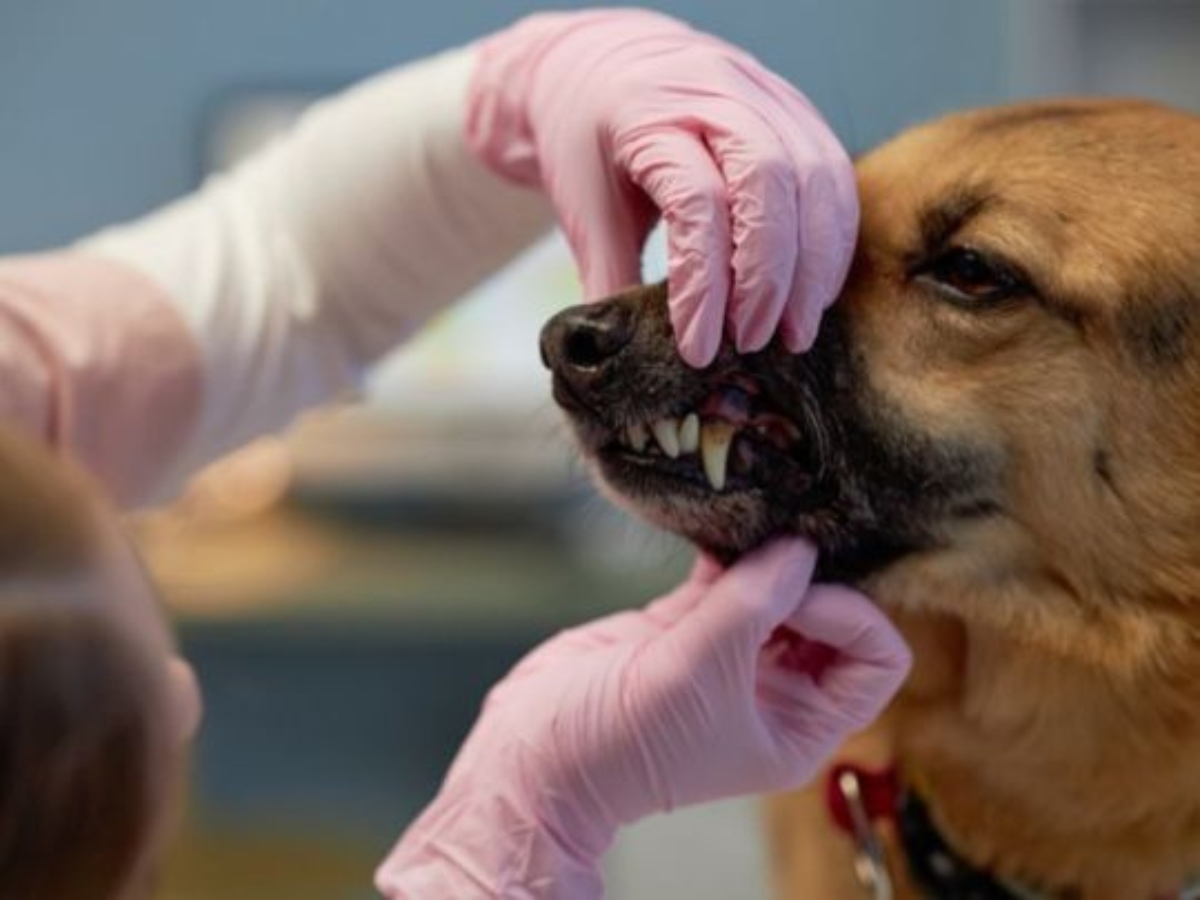
- Noticeable yellow or brown buildup on teeth
- Struggling to chew food or reluctance to eat
- Frequently rubbing or scratching at the mouth
If you notice these symptoms, schedule a dental exam promptly to protect your pet’s oral health.
At-Home Tips for Pet Dental Care
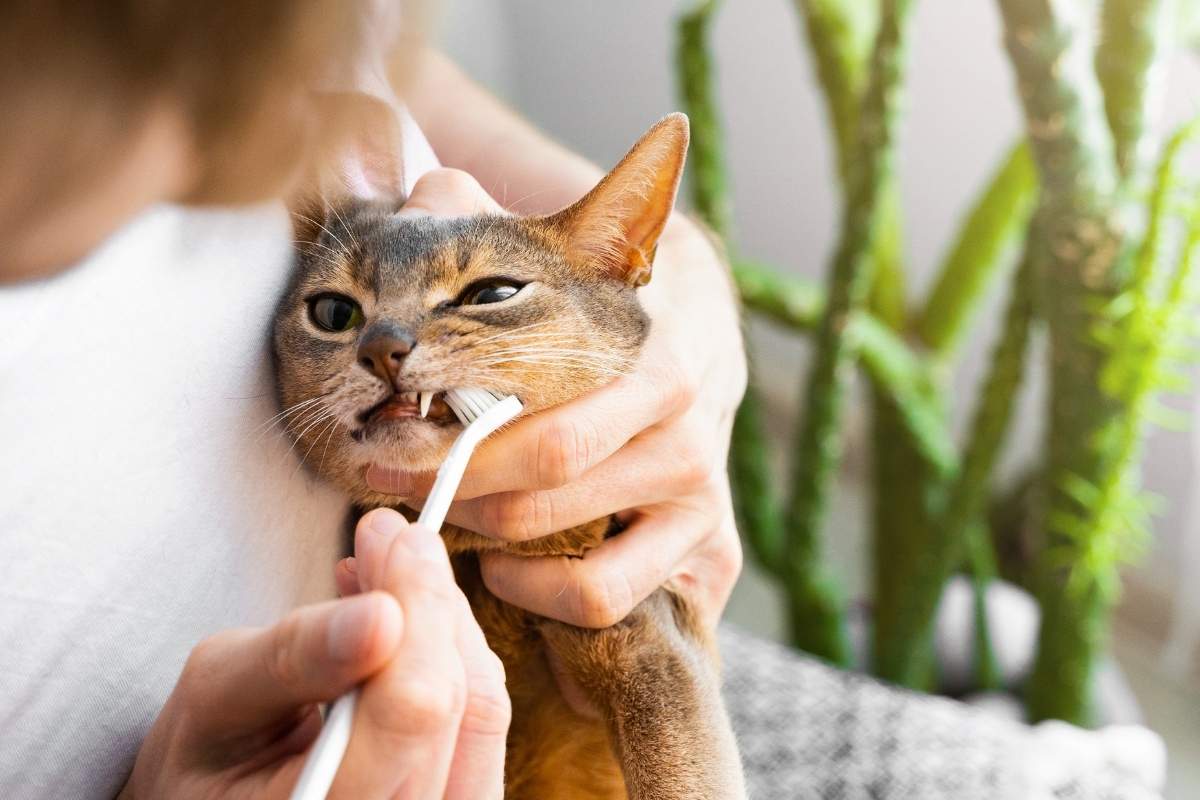
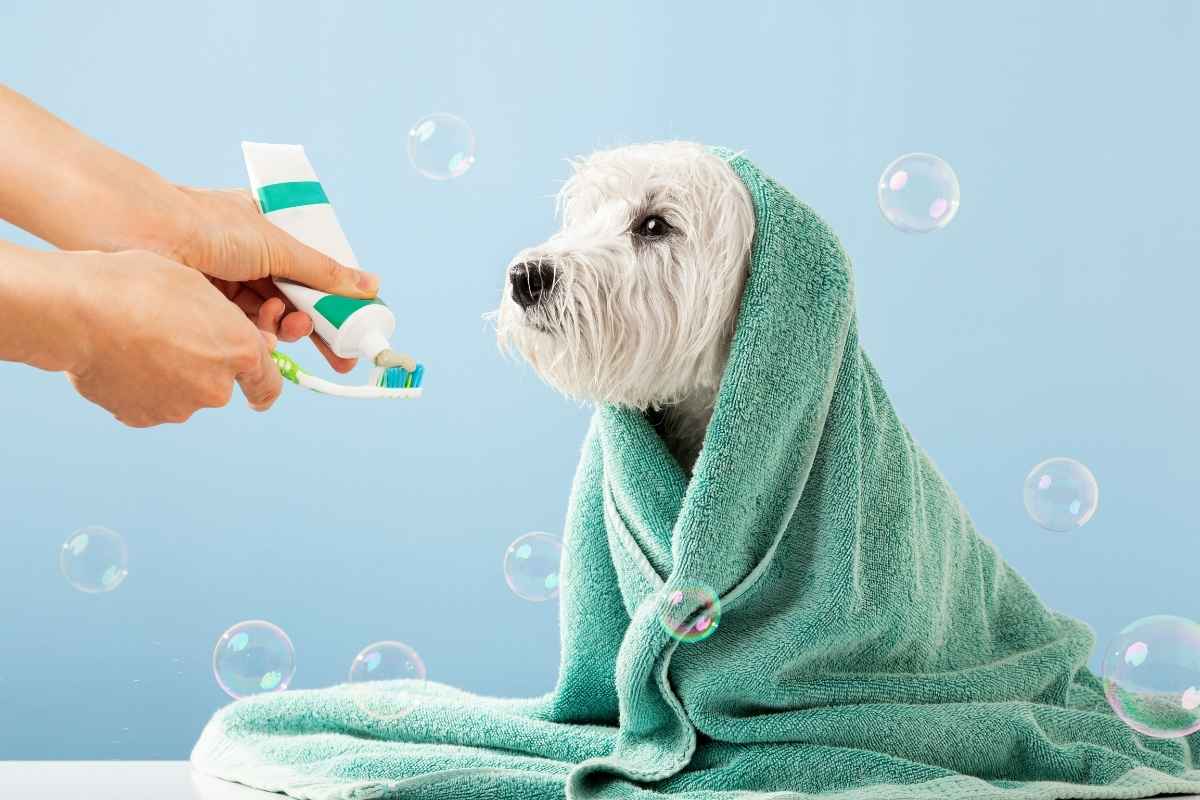
Taking simple steps at home can make a huge difference in your pet’s dental health. Daily or routine tooth brushing is one of the most effective ways to reduce plaque buildup. Always use vet-approved pet toothpaste and brushes.
Dental chews, water additives, and specially formulated diets can also support cleaner teeth. While these tools help, they don’t replace brushing or professional cleanings.
Veterinary Dental Care and Cleanings
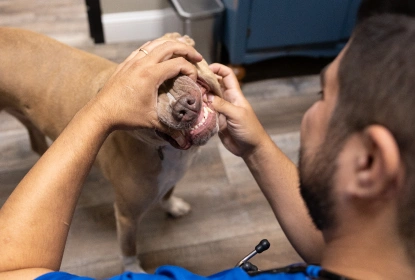
No matter how diligent you are at home, pets still need regular professional dental cleanings. Veterinarians use advanced tools to remove tartar above and below the gumline, areas that are impossible to clean at home. These visits also include a thorough oral exam to check for hidden issues such as loose teeth, infections, or oral tumors.
For trusted, comprehensive oral health support, explore our pet dental services in Cottleville, MO. Our experienced veterinary team provides gentle and effective care to keep your pet’s smile bright.
Benefits of Proper Pet Dental Care
When you stay consistent with pet dental care, your pet enjoys more than just clean teeth. Benefits include:
- A healthier mouth free of plaque and tartar buildup
- Lower chances of periodontal disease and missing teeth
- Fresher breath for closer cuddles
- Lower risk of systemic health problems caused by bacteria
- A happier, more comfortable pet overall
Creating Lifelong Dental Care Routines
Pet dental health is a lifelong commitment. Start dental care when your pet is young to help them adapt quickly to brushing and checkups. For older pets, it’s never too late—gentle and consistent habits can still improve their quality of life.
By making dental care part of your pet’s routine, you’re giving them the best chance at a long, joyful, and healthy life.
FAQs:
Q1. How often should I brush my pet’s teeth?
Ans. Brushing every day is recommended, but even brushing several times a week helps maintain oral health. Ideally, daily brushing is best. If that’s not possible, aim for several times a week using pet-safe toothpaste.
Q2. Do pets really need professional dental cleanings?
Ans. Yes. Home care helps, but professional cleanings remove tartar below the gumline and catch hidden issues early.
Q3. What happens if I ignore my pet’s dental care?
Ans. Neglect can lead to gum disease, tooth loss, and infections that affect organs like the heart and kidneys.
Q4. At what age should I start dental care for my pet?
Ans. Start at the earliest age you can. Puppies and kittens adapt easily to brushing, but even older pets benefit from dental care routines.