
Many pet owners focus on food, exercise, and grooming, yet dental health often gets overlooked. However, oral hygiene is just as important for pets as it is for people. Without proper brushing, plaque quickly turns into tartar, leading to gum disease, pain, and even organ problems.
In fact, most dogs and cats show signs of dental disease by age three. Because pets rarely show obvious discomfort, problems can go unnoticed for months. That is why choosing safe and effective toothpastes for dogs and cats matters. Using the correct products helps prevent infection and keeps your companion comfortable.
This guide explains what makes toothpaste safe, what ingredients to avoid, and how to build a simple routine—especially helpful for pet families in Cottleville, MO.
Why Dental Health Matters
Bacteria constantly form in your pet’s mouth. When not removed, it hardens into tartar and irritates the gums. As a result, gingivitis develops first. Later, periodontal disease damages bone and teeth.
Dental disease may lead to:
- Bad breath
- Painful chewing
- Tooth loss
- Heart disease risk
- Kidney complications
Therefore, daily brushing and proper pet dental care significantly improve overall health and longevity.
Why You Cannot Use Human Toothpaste
Many owners assume they can share their toothpaste. Unfortunately, this can be dangerous.
Human toothpaste contains:
- Fluoride
- Xylitol
- Foaming agents
Pets do not spit toothpaste out. They swallow it. Xylitol, in particular, is toxic to dogs and can cause life-threatening low blood sugar and liver damage.
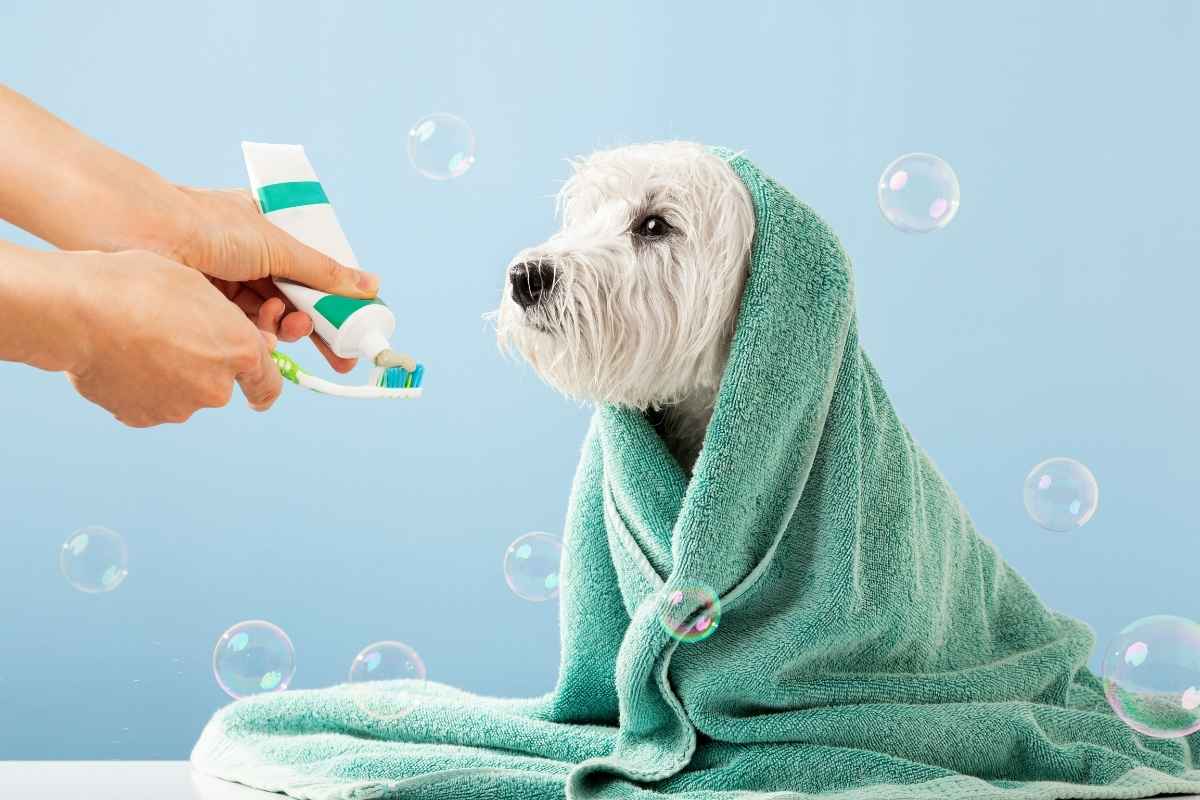
Because of this, always use specially formulated toothpastes for dogs and cats designed for safe swallowing.
What Makes Pet Toothpaste Safe?
Veterinary dental products differ from human products. They are designed specifically for animals’ digestion and behavior.
Safe features include:
- Enzymatic plaque control
- No fluoride
- No foaming agents
- Pet-safe flavors
Enzymes break down bacteria instead of relying on harsh chemicals.
Types of Toothpastes for Dogs and Cats
1. Enzymatic Toothpaste
This is the most recommended option. Enzymatic formulas work even when brushing is brief because they actively dissolve plaque-causing bacteria.
Benefits:
- Reduces tartar buildup
- Improves breath
- Gentle on gums
2. Gel Toothpaste
Gel formulas spread easily along the gumline. They are helpful for pets new to brushing.
Advantages:
- Easy application
- Less resistance
- Faster acceptance
3. Flavor-Based Toothpaste
Pets cooperate more when they enjoy the taste.
Common flavors:
- Poultry
- Beef
- Seafood
- Malt
Flavor makes daily brushing easier and more consistent.
Ingredients to Look For
When choosing toothpastes for dogs and cats, look for these helpful ingredients:
- Glucose oxidase (fights bacteria)
- Lactoperoxidase (reduces plaque)
- Aloe vera (soothes gums)
- Zinc compounds (controls odor)
These ingredients promote healthy gums and cleaner teeth.
Ingredients to Avoid
Always check the label and avoid:
- Xylitol
- Alcohol
- Fluoride
- Artificial sweeteners
- Strong detergents
Unsafe ingredients may irritate the stomach or cause poisoning.
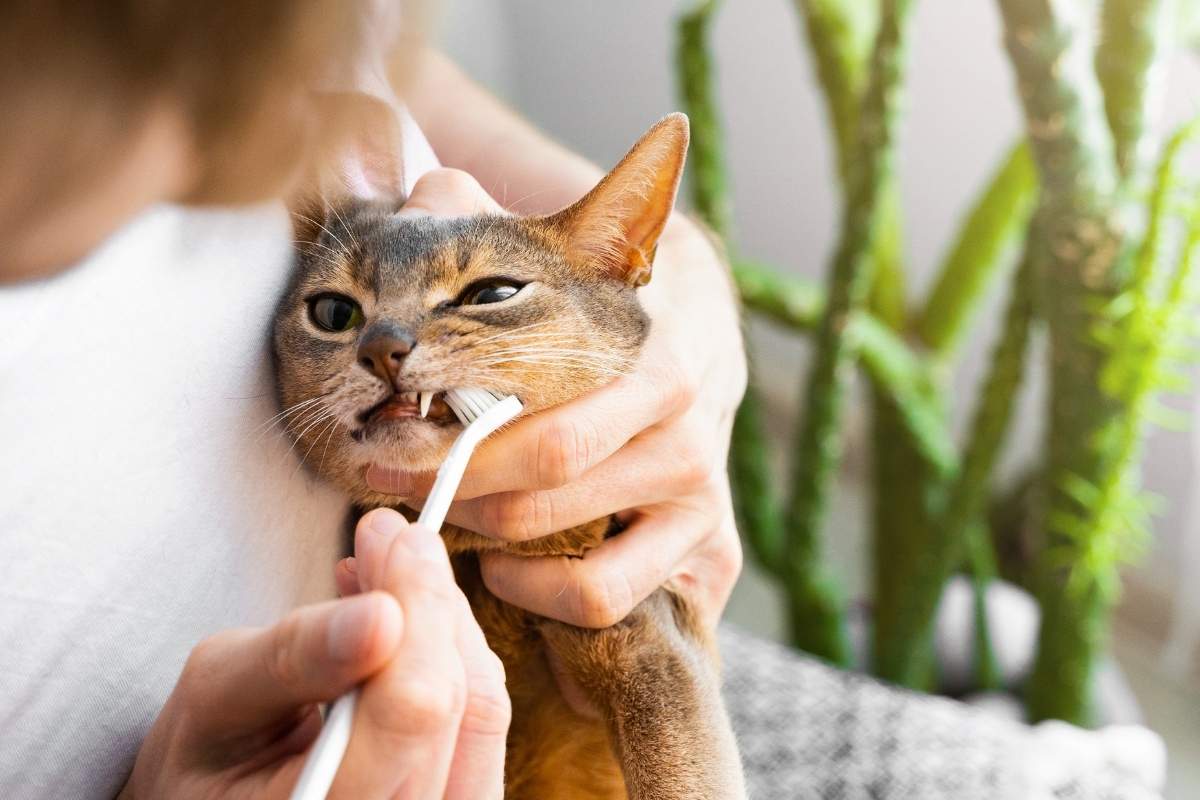
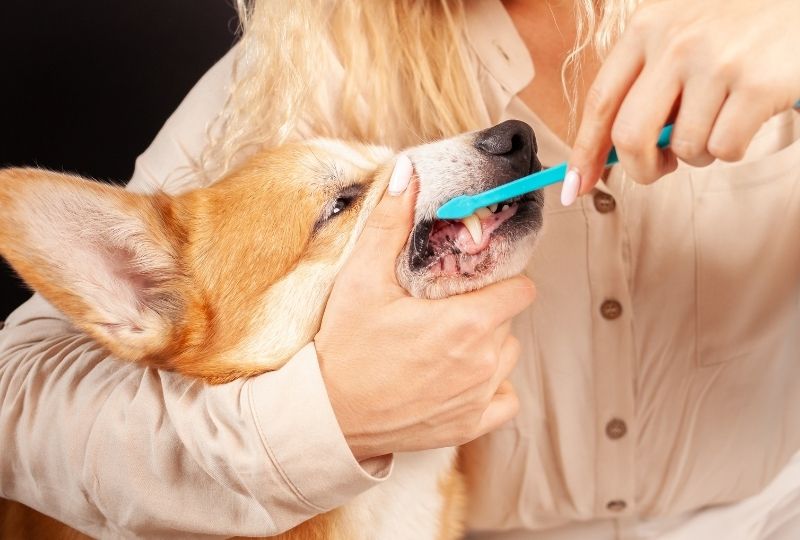
How to Brush Your Pet’s Teeth
Many owners worry that brushing will be difficult. Fortunately, patience and gradual introduction work well.
Step 1: Start Slowly
Let your pet lick the toothpaste from your finger. This builds trust.
Step 2: Introduce a Finger Brush
Rub gently along the gumline.
Step 3: Use a Soft Pet Toothbrush
Brush in small circular motions.
Step 4: Keep Sessions Short
Thirty seconds per side is enough initially.
Consistency matters more than perfection.
Tips to Make Brushing Easier
- Brush after exercise when pets are calm
- Reward with praise or treats
- Keep a routine schedule
- Be gentle around sore areas
Over time, most pets accept brushing as a normal activity.
Additional Dental Support
While brushing is best, combine it with other habits:
- Dental chews
- Water additives
- Dental diets
- Regular cleanings
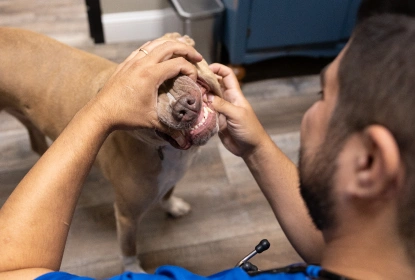
Routine professional cleanings remove tartar beneath the gumline and protect long-term oral health.
Signs Your Pet Needs a Dental Check
Watch for warning signs:
- Bad breath
- Drooling
- Pawing at the mouth
- Bleeding gums
- Difficulty eating
If symptoms appear, schedule an exam promptly. Early care prevents painful infections.
Oral health is a major part of your pet’s overall wellness. By choosing safe toothpastes for dogs and cats and maintaining a consistent brushing routine, you can prevent pain, infection, and costly treatments. A few minutes each day protects your pet’s teeth for years to come.
If you are in Cottleville, MO, and looking for a veterinarian near you, book an appointment with Cottleville Animal Hospital today. Their team can evaluate dental health, recommend the right products, and create a customized prevention plan to keep your pet happy and smiling.
FAQs
Q1. How often should I brush my pet’s teeth?
Ans. Daily brushing is ideal, but at least 3–4 times per week significantly helps.
Q2. Can dental treats replace brushing?
Ans. No. Treats help, but brushing removes plaque most effectively.
Q3. At what age should I start brushing?
Ans. Start during puppyhood or kittenhood. Early training creates lifelong habits.
Q4. Do cats really need toothpaste?
Ans. Yes. Cats develop dental disease just as commonly as dogs.
Q5. Is bad breath normal in pets?
Ans. No. Persistent bad breath often indicates dental disease.
Q6. Are professional cleanings necessary?
Ans. Yes. Even with brushing, pets still need periodic veterinary dental exams and cleanings.