
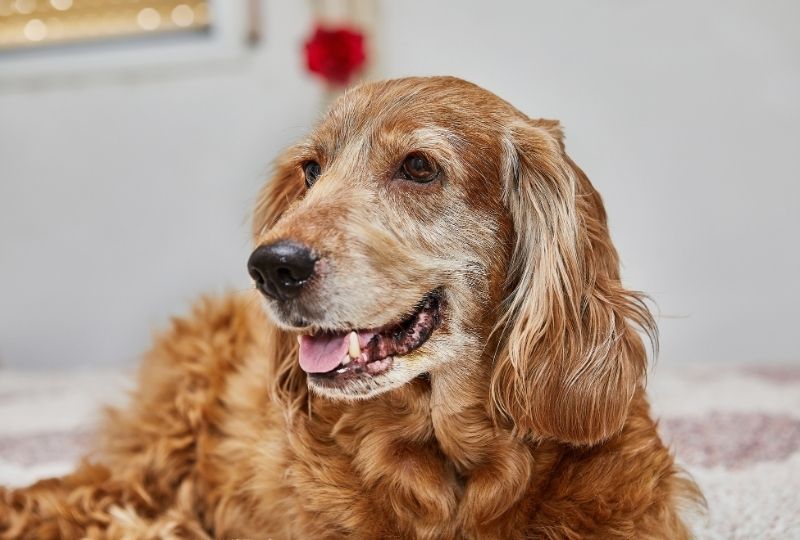
As dogs age, their health needs change. Senior dogs are more susceptible to chronic conditions, and subtle changes in behavior or appearance may indicate underlying problems. Regular veterinary checkups become crucial to detect issues early and maintain the quality of life.
Here are 10 warning signs your senior dog may need a vet checkup and why acting fast is important.
1. Stiffness or Trouble Moving
Arthritis and joint problems are common in older dogs. If you notice stiffness, limping, or difficulty climbing stairs, your dog may be experiencing pain. Early detection and treatment can improve mobility and comfort.
2. Sudden Weight Loss or Gain
Unexpected weight changes can signal serious issues, such as thyroid disease, diabetes, kidney problems, or cancer. A veterinary checkup can identify the cause and recommend appropriate care.
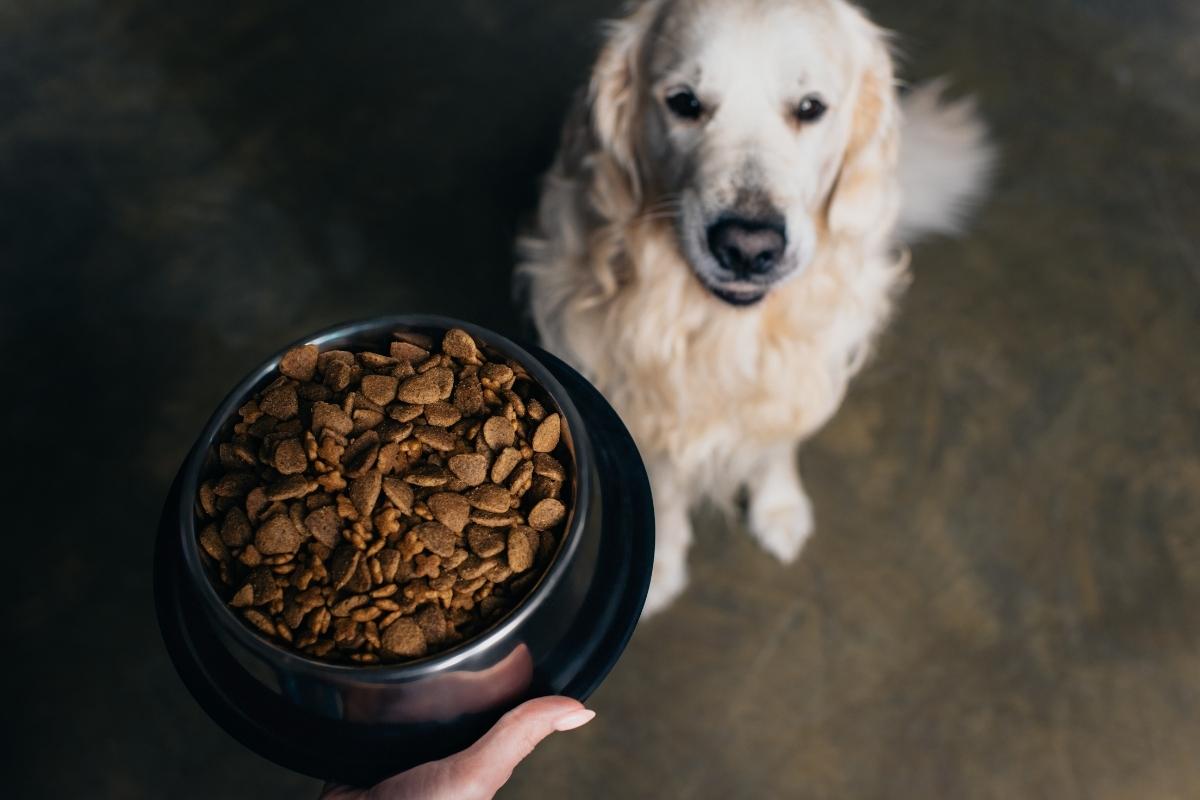
3. Decreased Appetite
A senior dog that suddenly eats less or refuses food may be experiencing dental pain, gastrointestinal problems, or systemic illness. Monitoring eating habits and reporting changes to your vet is essential.
4. Excessive Thirst or Urination
Increased drinking or urination can indicate kidney disease, diabetes, or hormonal imbalances. Early testing helps manage these conditions before they worsen.
5. Lethargy or Weakness
Older dogs may naturally slow down, but sudden or persistent lethargy can indicate heart disease, infections, anemia, or other serious conditions.
6. Persistent Coughing or Difficulty Breathing
Respiratory problems may include heart disease, lung infections, or chronic bronchitis. Any coughing, wheezing, or labored breathing should be evaluated promptly.
7. Changes in Behavior
Senior dogs may show confusion, disorientation, or anxiety due to cognitive decline or underlying medical issues. Noticing unusual behavior patterns early allows for interventions that improve their quality of life.
8. Skin, Coat, or Ear Changes
Skin lumps, hair loss, itching, or ear infections are more common in older dogs. While some changes are minor, others could indicate allergies, infections, or even cancer.
9. Bad Breath or Dental Problems
Dental disease is common in senior dogs and can affect overall health. Bad breath, difficulty chewing, or red gums may signal dental infections or tooth decay that need veterinary care.
10. Digestive Issues
Persistent vomiting, diarrhea, or constipation in older dogs should never be ignored. Gastrointestinal problems can point to infections, organ disease, or dietary sensitivities.
Why Regular Vet Visits Matter for Senior Dogs
Senior dogs benefit from routine wellness exams, blood tests, and screenings to catch diseases before they become severe. Preventive care helps:
- Detect hidden health problems early
- Adjust diet and exercise plans for aging pets
- Improve comfort and mobility
- Extend their quality of life
Noticing early warning signs in your senior dog is key to maintaining their health and comfort. Regular veterinary checkups, combined with attentive home care, help detect problems before they become serious.
If you’re in Cottleville, MO, and searching for a trusted veterinarian for senior dog care, Cottleville Animal Hospital is here to provide expert exams, wellness checkups, and preventive care for your aging companion.
FAQs
Q1. How often should senior dogs see a vet?
Ans. At least twice a year for wellness exams and preventive screenings.
Q2. Are subtle changes in behavior normal with aging?
Ans. Some changes are normal, but sudden or pronounced changes may indicate illness.
Q3. Can arthritis be managed in senior dogs?
Ans. Yes. Pain relief, joint supplements, and physical therapy can improve mobility.
Q4. How can I monitor my dog’s health at home?
Ans. Track appetite, water intake, energy levels, bathroom habits, and any behavioral changes.
Q5. Are dental checkups important for older dogs?
Ans. Absolutely. Dental disease can impact organs like the heart and kidneys.
Q6. What diet changes help senior dogs?
Ans. Veterinarians may recommend lower-calorie diets, high-quality protein, or supplements to support joint and organ health.