

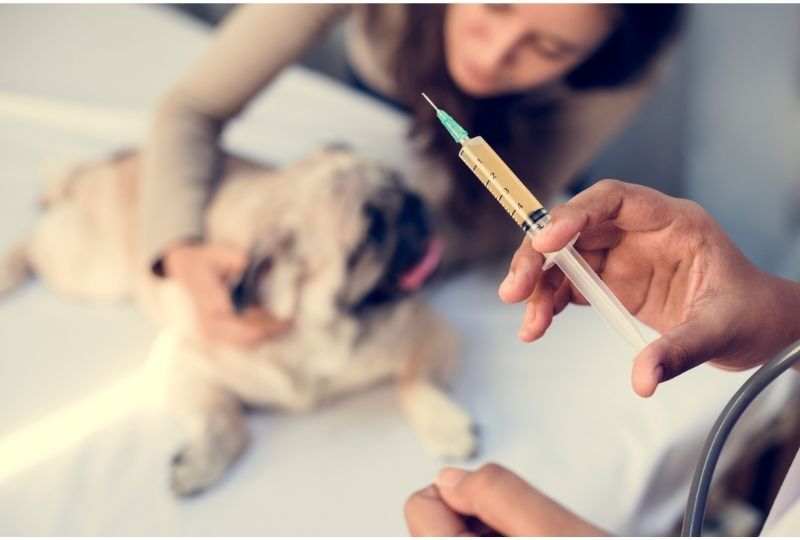
Bringing home a new puppy is one of the most exciting moments in a pet parent’s life. While a new puppy brings endless love and fun, it also requires dedicated care to help them grow into a strong, confident, and balanced dog. Two of the most critical steps in this journey are puppy vaccination & socialization in Cottleville. Both are foundational to your dog’s long-term wellness, behavior, and quality of life.
This guide will walk you through why vaccines matter, what a typical schedule looks like, and how socialization can shape your puppy’s personality for years to come.
Why Puppy Vaccinations Matter?
Puppies are naturally curious and eager to explore, but without proper protection, they are vulnerable to many serious diseases. Vaccinations build immunity against illnesses like parvovirus, distemper, hepatitis, and rabies. These conditions can be life-threatening, costly to treat, and stressful for your entire family.
By keeping up with puppy vaccination & socialization in Cottleville, you not only protect your furry friend but also help prevent the spread of disease within the local pet community. Early protection ensures your puppy can safely enjoy walks, playdates, and public spaces without unnecessary health risks.
Puppy Vaccination Schedule: What to Expect
Vaccines are given in a series of boosters, starting as early as six to eight weeks of age. Your veterinarian will recommend a schedule tailored to your puppy’s needs, but here’s a general outline:
- 6–8 weeks: First round of core vaccines (distemper, parvovirus, adenovirus).
- 10–12 weeks: Second booster series, sometimes including Bordetella (kennel cough).
- 14–16 weeks: Final boosters and rabies vaccine.
- Yearly vaccinations: Keep your puppy’s immunity strong, with specific boosters recommended based on their routine and potential exposures.
Your veterinarian will also advise on optional vaccines for conditions such as Lyme disease or canine influenza, based on your pup’s exposure to outdoor activities or boarding facilities.
The Role of Socialization in Early Development
While vaccines protect your puppy’s physical health, socialization shapes their emotional and behavioral well-being. Socialization is the process of gently introducing your puppy to new people, pets, sights, sounds, and environments.
Between 8 and 16 weeks of age, puppies experience a “critical learning window.” Positive experiences during this stage help them grow into confident, adaptable dogs. Without proper socialization, puppies may develop fear, anxiety, or aggression later in life.
Tips for Successful Puppy Socialization
Here are some practical steps to ensure your puppy builds confidence while staying safe:
- Start small: Introduce your puppy to family, neighbors, and calm, friendly dogs.
- Use controlled settings: Puppy playgroups or training classes supervised by professionals are excellent options.
- Pair with positivity: Reward your puppy with treats and praise during each new encounter.
- Gradual exposure: Slowly introduce noises like vacuums, doorbells, or car rides.
- Protect health first: Make sure your puppy has received initial vaccinations before meeting unfamiliar dogs or visiting high-traffic pet areas.
Combining early puppy vaccination & socialization in Cottleville helps your pet build resilience against both disease and behavioral issues, setting them up for a lifetime of good health and happiness.
Partnering with Your Veterinarian
Every puppy is unique, and no two schedules look exactly the same. That’s why partnering with your veterinarian is essential. Veterinarians can build a personalized health plan that considers your pet’s breed, stage of life, and daily environment.
At Cottleville Animal Hospital, preventive care is the foundation of lifelong wellness. From vaccines to nutrition advice and behavioral guidance, our team is here to support every step of your puppy’s journey. Learn more about our preventative care for pets in Cottleville, MO, and how it can keep your companion healthy for years to come.
The Long-Term Benefits
Investing in puppy vaccination & socialization in Cottleville pays off in countless ways:
- A healthier pet with a stronger immune system.
- A confident, well-behaved dog who enjoys family activities.
- Lower long-term veterinary costs due to disease prevention.
- A stronger bond between you and your puppy.
By combining medical protection with positive social experiences, you set the foundation for a lifetime of love, companionship, and joy.
Final Thoughts
Welcoming a puppy home opens the door to a joyful and meaningful new experience. To ensure it starts on the right paw, prioritize puppy vaccination & socialization in Cottleville. These essential steps protect your pet’s health, nurture their confidence, and strengthen your bond as a family.
If you’re ready to give your puppy the best possible start, schedule a visit with our caring team at Cottleville Animal Hospital. Our team partners with you to create a lasting wellness plan that keeps your puppy healthy and happy from the very beginning through adulthood.
FAQs
Q1. At what age should I begin socializing my puppy?
Ans. The ideal socialization window is 3 to 14 weeks of age, when puppies are most open to new people, places, and experiences. Positive exposure during this time has lifelong benefits.
Q2. Is it safe to socialize my puppy before they’re fully vaccinated?
Ans. Yes, but limit interactions to safe environments with dogs you know are vaccinated and healthy. Avoid public areas like dog parks or pet stores until your puppy has completed their vaccine series.
Q3. What is the typical puppy vaccination schedule?
Ans. Puppies typically begin vaccines around 6–8 weeks, with follow-up boosters at 10–12 and 14–16 weeks, along with a rabies shot. Optional vaccines may be added based on your puppy’s lifestyle.
Q4. How can I socialize my puppy safely during the vaccination period?
Ans. Arrange playdates with vaccinated dogs, join puppy classes requiring proof of vaccines, and expose your pup at home to new sounds, textures, and experiences.