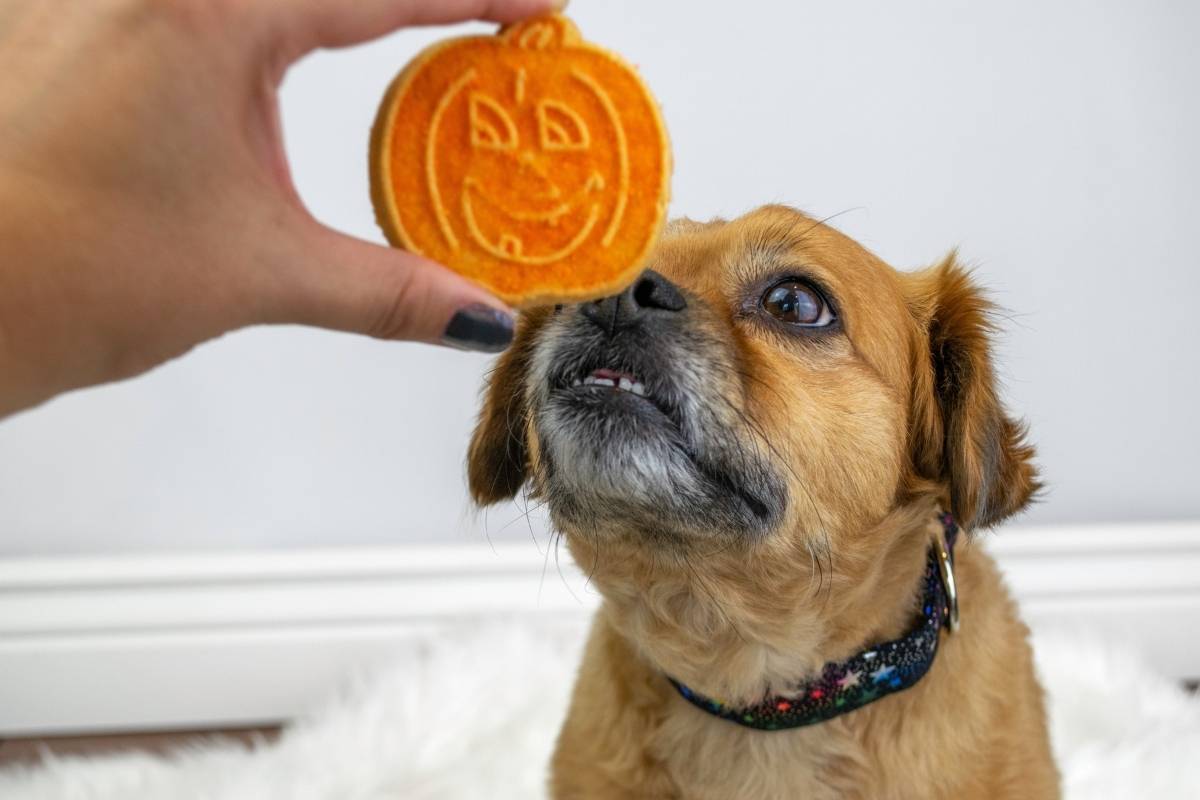

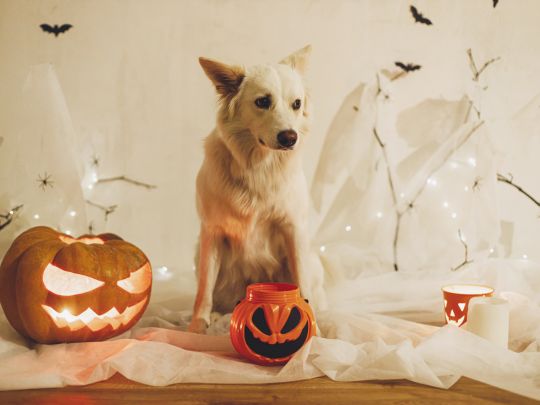
Halloween can turn an ordinary evening into a strange experience for pets. The doorbell keeps ringing. Costumed strangers appear at the door. Children run through the neighborhood. Decorations move or make noise, and the normal household routine may change.
While people understand why everything suddenly looks and sounds different, dogs and cats do not. Some pets barely react. Others may become nervous long before trick-or-treating begins.
Stress does not always look dramatic. A pet may simply hide, pace, stop eating, or act differently than usual. Recognizing these changes early gives you a chance to make Halloween calmer and safer.
Here are five signs that Halloween activities may be causing your pet more stress than you realize.
1. Your Pet Keeps Hiding or Trying to Get Away
Hiding is one of the clearest ways some pets respond when they feel uncomfortable.
Cats may disappear under beds, behind furniture, inside closets, or into other quiet areas. Dogs may retreat to another room or repeatedly move away from visitors.
This behavior can be especially noticeable during Halloween because the environment changes quickly. Your pet may encounter masks, costumes, flashing decorations, unfamiliar voices, and repeated activity at the front door.
Do not force a frightened pet out of a hiding place simply to participate in family activities. If the location is safe, allowing some distance from the excitement may help.
Create a quiet room away from the front door before trick-or-treating begins. Include familiar bedding, water, toys, and other items your pet normally finds comforting.
Cats should have access to secure hiding places. Dogs may prefer a familiar bed, crate, or quiet room if they already associate that space with relaxation.
2. You Notice Pacing, Panting, Trembling, or Restlessness
Physical behavior can provide important clues about how your pet is feeling.
A nervous dog may pace from room to room, pant when the house is not hot, tremble, whine, or remain unusually alert. Some dogs repeatedly follow their owners because they are seeking reassurance.
Cats can show restlessness differently. They may repeatedly change locations, crouch, keep their body low, flick their tail, flatten their ears, or seem unable to settle.
Pay attention to the circumstances surrounding the behavior. A dog that begins pacing every time the doorbell rings may be reacting to the repeated noise and visitors.
Reducing stimulation can help. Close curtains so your pet cannot watch trick-or-treaters approaching. Move your pet away from the entryway and consider using familiar background sound to reduce sudden outside noises.
If your pet has a history of severe fear during busy holidays, discuss it with your veterinarian in Cottleville before Halloween. Planning ahead gives you more time to discuss appropriate ways to manage your pet’s anxiety.
3. Your Pet Becomes More Vocal Than Usual
Barking, whining, growling, meowing, or other vocal behavior can increase when a pet feels unsettled.
For example, a dog that normally barks once at the door may continue barking after visitors leave. A cat that is usually quiet may begin vocalizing repeatedly while people are entering and leaving the house.
These behaviors do not necessarily mean your pet is being difficult. They may indicate that your pet is having trouble coping with the situation.
Repeated doorbell ringing is a common source of stimulation on Halloween night. Costumes can add another layer of uncertainty. A familiar neighbor wearing a mask, large hat, or unusual clothing may not look familiar to your pet.
Rather than repeatedly correcting fearful behavior, reduce your pet’s exposure to the trigger. Keep your dog or cat in a quieter area before trick-or-treaters begin arriving.
Never require a nervous pet to greet costumed guests.
If growling or defensive behavior develops, give your pet space. Growling can be a warning that your dog feels uncomfortable and wants more distance.
4. Your Pet Stops Eating or Refuses Treats
Changes in appetite can occur when an animal is stressed.
Some pets that are normally enthusiastic about meals or treats may suddenly show little interest in food when the environment becomes overwhelming. A dog may take a treat and drop it. A cat may avoid its food bowl while guests are nearby.
A brief change around a stressful event can happen, but appetite changes deserve attention because they can also occur with illness.
Try feeding your pet before Halloween activity becomes intense. Place the food in a familiar, quiet location rather than near the front door or a crowded room.
Avoid trying to tempt your pet with Halloween candy or other human treats. Chocolate and products containing certain ingredients, including xylitol, can be dangerous for pets.
Contact a veterinary professional promptly if you suspect your pet has eaten chocolate, sugar-free candy, raisins, medication, wrappers, or another potentially harmful item.
If your pet continues refusing food after the Halloween activity has ended, or you notice vomiting, diarrhea, weakness, pain, or another concerning symptom, contact a vet near you for guidance.
5. Your Pet Suddenly Acts Clingy, Irritable, or Unlike Themselves
Sometimes the most important sign of stress is simply a noticeable change from your pet’s normal personality.
A normally independent dog might suddenly stay beside you constantly. A friendly cat might avoid being touched. Another pet may become jumpy, irritable, or less interested in play.
Changes in body language can provide additional clues. Watch for behaviors such as:
- Ears held back or flattened
- A tucked tail
- Crouching
- Avoiding eye contact
- Excessive lip licking in dogs
- Repeated yawning when not tired
- Trying to escape
- Freezing when approached
- Swatting, hissing, or growling
- Refusing normal interaction
Your knowledge of your pet matters. A behavior that is normal for one animal may be unusual for another.
Give your pet room rather than insisting on attention. A frightened pet may not want to be hugged, held, dressed in a costume, or introduced to visitors.
Why Can Halloween Be So Stressful for Pets?
Halloween combines several changes at once.
Your pet may hear the doorbell dozens of times, see unfamiliar people near the house, encounter unusual decorations, and hear excited children outside. Family members may also be wearing costumes or behaving differently.
Dogs often depend heavily on familiar routines and environmental cues. Cats can also be sensitive to changes in their surroundings.
A mask can hide facial features your pet normally uses to recognize someone. Large costumes may change a person’s shape. Decorations that move, light up, or make sounds can introduce unfamiliar sights and noises.
Even pets that usually enjoy visitors may find the volume and frequency of Halloween activity overwhelming.
How Can You Make Halloween Less Stressful for Your Pet?
Preparation can make a noticeable difference.
Exercise your dog earlier in the day if exercise is appropriate for their age and health. Give cats their normal opportunities for play and enrichment. Feed pets at their usual time whenever possible.
Before visitors begin arriving, move your pet to a comfortable area away from the entrance.
You can also:
- Close curtains or blinds to reduce visual stimulation.
- Keep outdoor cats safely indoors.
- Keep candy and wrappers completely out of reach.
- Secure doors and windows carefully.
- Keep pets away from candles and electrical decorations.
- Make sure identification information is current.
- Provide familiar bedding and toys.
- Maintain normal feeding and bathroom routines.
- Avoid forcing pets to wear costumes if they appear uncomfortable.
For dogs that become excited whenever the door opens, a physical barrier between the pet and entryway can also reduce the risk of an accidental escape.
When Does Halloween Stress Need Veterinary Attention?
Most pets settle once the unusual activity ends. However, severe or persistent behavioral changes should not automatically be dismissed as holiday nerves.
Contact your veterinarian if your pet’s behavior is intense, continues after the stressful event has passed, or interferes with normal eating, drinking, sleeping, or bathroom habits.
Veterinary attention is also important when behavioral changes occur alongside physical symptoms such as vomiting, diarrhea, breathing difficulty, weakness, collapse, injury, or suspected ingestion of something harmful.
Sudden behavior changes can sometimes have a medical cause. Pain and illness can make pets restless, withdrawn, irritable, or unusually vocal.
A veterinary examination can help determine whether there is more going on than temporary Halloween stress.
Help Your Pet Feel Safe Beyond Halloween
Halloween should not leave your pet frightened long after the costumes are put away. Paying attention to changes in appetite, body language, vocalization, activity, and social behavior can help you recognize when your pet needs extra support.
At Cottleville Animal Hospital, we care about your pet’s physical health and emotional comfort. Our veterinary team takes time to consider the whole pet, not simply the symptom that brought them through the door. With preventive, diagnostic, and urgent care options, we are here to support pets through everyday health needs and unexpected concerns.
If Halloween brings out unusual behavior in your dog or cat, do not wait for stress or concerning symptoms to become harder to manage. Schedule a visit with Cottleville Animal Hospital in Cottleville and let our team help you understand what your pet may need to feel comfortable, secure, and healthy.
Frequently Asked Questions
1. How can I tell whether my dog is excited or stressed on Halloween?
Ans: Look at your dog’s overall body language rather than one behavior. A relaxed dog generally has loose body movements and can settle between activities. A stressed dog may pace, pant, tremble, repeatedly bark, tuck the tail, avoid interaction, or try to escape. Consider what is normal for your individual dog.
2. Should I keep my cat in a separate room during trick-or-treating?
Ans: A secure, quiet room can be helpful for cats that become frightened by visitors or repeatedly opening doors. Provide water, a litter box, familiar bedding, and somewhere comfortable to hide. Keeping cats away from the entrance also reduces the chance of an accidental escape.
3. Where can I take my pet in Cottleville if unusual behavior continues after Halloween?
Ans: If your pet remains anxious, stops eating, seems painful, or develops other concerning symptoms, Cottleville Animal Hospital can evaluate whether the behavior may be related to stress or an underlying medical problem. Our veterinary team can assess your pet’s overall health and discuss appropriate next steps.
4. Should I talk to a veterinarian before Halloween if my pet has severe anxiety?
Ans: Yes. If previous holidays, storms, visitors, or loud noises have caused significant fear, speak with a veterinarian before Halloween rather than waiting until that evening. Early planning allows your veterinarian to consider your pet’s health history and recommend an appropriate management plan.
5. Can Cottleville pet owners get veterinary help if Halloween stress becomes concerning?
Ans: Yes. Cottleville Animal Hospital provides veterinary care for pets in the local community, including preventive, diagnostic, and urgent care services. If your pet’s behavior changes suddenly or physical symptoms appear, contacting the veterinary team can help determine what level of care is appropriate.
6. How can Cottleville Animal Hospital help a pet that frequently becomes anxious?
Ans: Cottleville Animal Hospital considers both physical and emotional well-being when caring for pets. The team includes Fear Free Certified Professionals and uses approaches intended to reduce anxiety during veterinary visits. For pets with recurring fear or behavioral changes, the veterinary team can evaluate possible health concerns and discuss ways to support a more comfortable experience.