

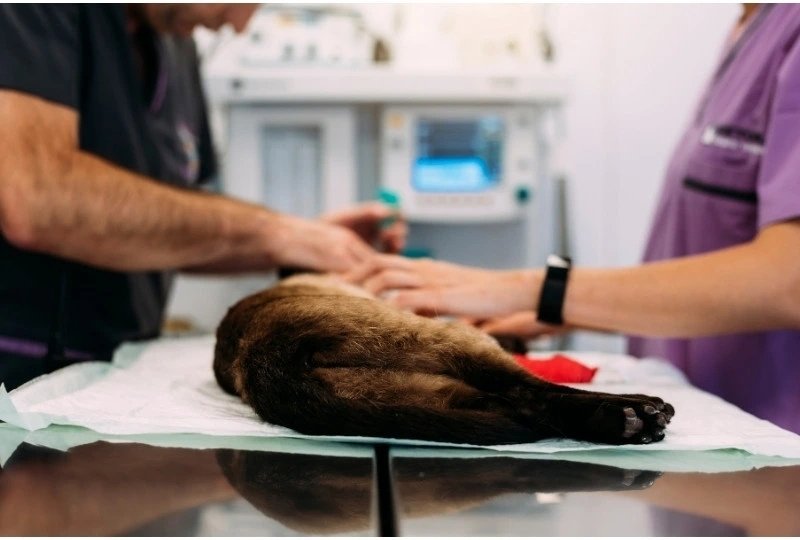
When it comes to our beloved pets, emergencies can happen at any time. From sudden injuries to unexpected illnesses, knowing how to recognize the signs of a true emergency—and how to respond—can make all the difference. At Cottleville Animal Hospital, our priority is keeping your pets safe, healthy, and cared for during their most critical moments.
This guide covers the most common pet emergencies and provides practical steps on what you can do until your pet reaches an emergency care vet.
Why Emergency Care Matters
Pets can’t tell us when something is wrong, which makes it crucial for pet owners to stay alert to changes in behavior, appearance, or activity. An experienced emergency care vet is trained to quickly diagnose and treat urgent health concerns, ensuring your pet receives immediate attention when every second counts.
Common Pet Emergencies
1. Difficulty Breathing
If your pet is struggling to breathe, coughing excessively, or showing signs of choking, this requires immediate medical attention. Do not attempt to remove objects unless they are clearly visible and easy to dislodge.
2. Trauma or Injury
Accidents such as being hit by a car, falling from a height, or sustaining a severe bite wound are emergencies. Even if your pet seems fine after trauma, internal injuries may not be obvious. Contact an emergency care vet right away.
3. Ingestion of Toxins
Household items like chocolate, xylitol, antifreeze, and certain plants are toxic to pets. If ingestion occurs, call a veterinarian immediately and, if possible, bring the packaging of the substance ingested.
4. Seizures
Seizures can be frightening, but staying calm is key. Clear the area around your pet to prevent injury and avoid touching their mouth. Seek emergency care immediately, especially if seizures last more than a few minutes or occur in clusters.
5. Uncontrolled Bleeding
Heavy bleeding from wounds, nosebleeds that don’t stop, or blood in urine and stool are urgent issues. Apply gentle pressure with a clean cloth while transporting your pet to an emergency care vet.
6. Severe Vomiting or Diarrhea
Frequent vomiting or diarrhea, particularly if blood is present, can quickly lead to dehydration. Young, senior, and small pets are especially vulnerable. Prompt veterinary care is essential.
How to Respond in an Emergency
- Stay Calm: Pets can sense your stress. Remaining composed helps you think clearly.
- Contact Your Vet: Call ahead so the veterinary team can prepare for your arrival.
- Transport Safely: Use a pet carrier or secure your pet in the car to avoid further injury.
- Provide Basic First Aid: Apply pressure to bleeding wounds, keep your pet warm, and avoid giving food or medication unless instructed by a veterinarian.
The Role of an Emergency Care Vet
An emergency care vet has the expertise, equipment, and resources to handle urgent medical cases. From advanced diagnostics to life-saving interventions, they are trained to respond quickly and effectively. At Cottleville Animal Hospital, our compassionate team is ready to deliver urgent treatment when your pet needs it most.
When to Choose Emergency Care vs. Urgent Care
It’s not always easy to know whether a situation is a true emergency. A helpful distinction is:
- Emergency Care: Life-threatening situations like trauma, collapse, or breathing issues.
- Urgent Care: Conditions that need prompt attention but may not be immediately life-threatening, such as minor wounds, persistent coughing, or skin irritations.
Being prepared for common pet emergencies can save your pet’s life. Recognizing the warning signs and knowing how to respond until you reach professional care are essential steps for responsible pet ownership. For Cottleville, MO pet owners searching for an emergency care vet near me, Cottleville Animal Hospital is here to provide immediate, expert support when it matters most.
FAQs
Q1. How do I know if my pet needs emergency care?
Ans. If your pet has difficulty breathing, uncontrolled bleeding, seizures, or severe trauma, seek emergency care immediately.
Q2. Should I try home remedies before calling the vet?
Ans. No. Home remedies may delay proper treatment or worsen the problem. Always contact a vet first.
Q3. What should I keep in a pet first aid kit?
Ans. Items such as gauze, non-stick bandages, antiseptic wipes, digital thermometer, and your vet’s emergency number are essential.
Q4. Can I give my pet human medications in an emergency?
Ans. Never. Many human medications are toxic to pets. Always wait for veterinary instructions.
Q5. How do I prepare for after-hours emergencies?
Ans. Know the location and contact details of an emergency care vet near you before you need them.
Q6. Are all pet emergencies obvious?
Ans. Not always. Some conditions, like internal bleeding or toxin ingestion, may not show immediate symptoms. Regular check-ups can help catch hidden issues early.