

Bringing home a new puppy is one of life’s most joyful experiences—but it can also be a handful! From potty training mishaps to chewing on your favorite shoes, every puppy needs proper guidance to grow into a well-behaved companion. If you’ve been wondering how to train your puppy fast, you’re in the right place.
This step-by-step guide will help you build structure, trust, and positive behavior in your pup quickly and effectively. Whether you’re a first-time dog parent or simply want to brush up on your training techniques, these proven methods will set you—and your furry friend—up for success.
Why Early Training Matters
The first few months of your puppy’s life are critical. During this period, they are learning how to interact with people, other pets, and their environment. Establishing good habits early not only makes daily life smoother but also prevents behavioral problems in the future.
By focusing on positive reinforcement and consistency, you can teach your puppy key commands and boundaries within weeks. Understanding how to train your puppy fast begins with patience, timing, and encouragement—not punishment.
Step 1: Create a Routine and Stick to It
Puppies thrive on structure. A daily routine helps them feel safe, confident, and eager to learn. Set consistent times for feeding, potty breaks, naps, and play.
- Feeding: Offer meals at the same time each day to regulate digestion.
- Potty Training: Take your puppy out right after meals, naps, and play sessions. Praise immediately after they go in the right spot.
- Sleep: Ensure your puppy gets 16–20 hours of rest daily. A tired puppy is easier to train.
Remember, consistency builds trust—an essential foundation for training success.
Step 2: Focus on Basic Commands
Start with the most essential commands your puppy will use daily:
- Sit: Hold a treat above your puppy’s head and move it slightly backward. As they sit naturally, say “Sit,” then reward them.
- Stay: Once your puppy knows “Sit,” ask them to stay while taking a few steps back. Reward only when they remain still.
- Come: Call your puppy’s name in a happy tone and reward them when they come running to you.
- Leave It: Use this command to stop unwanted chewing or eating unsafe objects.
Short sessions (5–10 minutes) work best. Always end on a positive note with praise or play.
Step 3: Potty Training Made Simple
One of the biggest challenges for new pet parents is potty training—but it doesn’t have to be stressful. Here’s how to train your puppy fast when it comes to bathroom habits:
- Take Frequent Breaks: Puppies have small bladders. Go outside every 1–2 hours, especially after eating or drinking.
- Use the Same Spot: Consistency in location helps your puppy understand where they’re supposed to go.
- Reward Immediately: Positive reinforcement right after your puppy goes potty outdoors strengthens the habit.
If accidents happen, stay calm. Clean up with an enzyme-based cleaner to remove odor and discourage repeat behavior.
Step 4: Socialize Early and Often
Proper socialization helps your puppy grow into a friendly, confident adult dog. Introduce them to new sights, sounds, people, and other pets gradually.
Take short walks around your neighborhood or visit safe, puppy-friendly spaces once your vet gives the green light. Exposing your dog to various experiences helps reduce anxiety and fear later in life.
Step 5: Manage Biting and Chewing
Puppies explore the world with their mouths, and teething can make them extra nippy. Redirect their chewing behavior with toys designed for teething puppies.
Avoid rough play that encourages biting. If your puppy nips your hand, say “No” firmly, then offer a toy instead. Consistency will teach them that hands are not for chewing.
Step 6: Crate Training for Safety and Comfort
A crate isn’t a punishment—it’s your puppy’s safe haven. Choose a crate large enough for them to stand and turn around comfortably.
Start by feeding your puppy near or inside the crate, gradually closing the door for short periods. This creates a positive association. Eventually, your dog will see it as a cozy retreat, not a confinement.
Step 7: Use Positive Reinforcement
The key to how to train your puppy fast lies in rewarding good behavior consistently. Praise, treats, and affection go a long way in encouraging learning.
Avoid punishment—it can create fear and confusion. Instead, redirect unwanted actions and reward the desired ones immediately.
Step 8: Know When to Seek Help
Every puppy is unique, and some may take longer to learn certain behaviors. If you face challenges such as excessive barking, aggression, or severe anxiety, professional guidance can make all the difference.
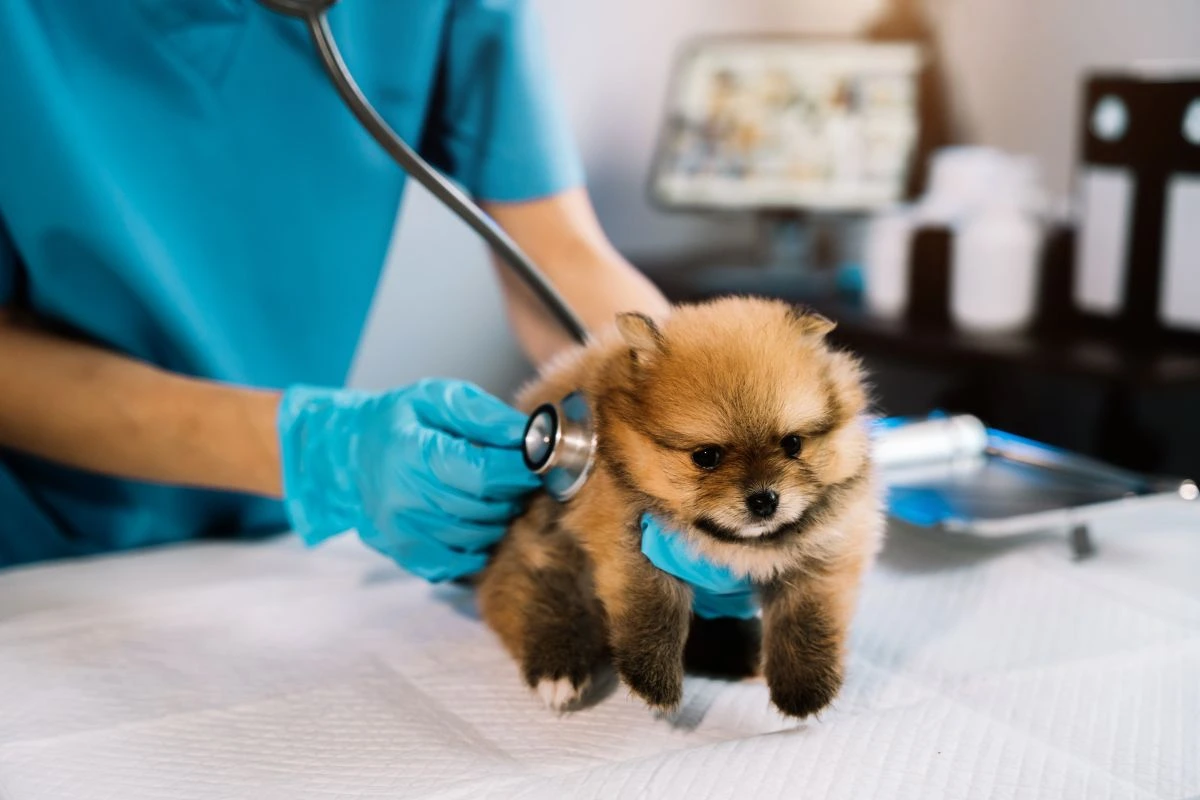
For expert care and support, Cottleville Animal Hospital offers behavioral consultations and health evaluations to ensure your puppy’s growth and well-being are on track. Whether it’s basic training advice or follow-up care, their experienced team is always ready to help.
If you ever need a trusted veterinarian in Cottleville for general checkups, vaccinations, puppy care, or preventive health services, it’s best to establish a relationship early on. That way, your pup receives comprehensive support from day one. And in case of urgent needs, knowing where to find a Cottleville emergency vet ensures your furry friend gets prompt, reliable care.
Step 9: Maintain Patience and Consistency
Puppy training doesn’t happen overnight—but progress builds quickly with routine and love. Celebrate small victories, like sitting on command or sleeping through the night.
Consistency, patience, and positive reinforcement are the three pillars of success when learning how to train your puppy fast. With time, your puppy will learn that good behavior earns rewards and affection, strengthening your bond in the process.
Learning how to train your puppy fast isn’t about rushing—it’s about teaching effectively and consistently. With positive reinforcement, patience, and love, your puppy can master obedience skills and build trust with you in just a few weeks.
Remember: every dog learns at their own pace, and progress comes from encouragement, not pressure. Start with the basics, keep sessions fun, and celebrate every milestone along the way. With the right approach, your puppy will quickly grow into the well-mannered, loving companion you’ve always dreamed of.
Frequently Asked Questions:
Q: How long does it take to train a puppy?
A: With consistency, most puppies learn basic commands within 2–4 weeks. Full potty training may take a few months.
Q: At what age should I start training my puppy?
A: Start as early as 8 weeks old. Early training builds lifelong habits.
Q: Should I use treats for every command?
A: In the beginning, yes. Gradually reduce treats as your puppy masters each command, replacing them with praise or playtime.
Q: How do I stop my puppy from barking too much?
A: Identify triggers like boredom or fear. Provide exercise, mental stimulation, and calm correction.
Q: How long should training sessions be?
A: Keep them short and fun—5 to 10 minutes, two or three times a day. Puppies learn best in small bursts.
Q: Is crate training really necessary?
A: Yes, crates help with potty training and give your puppy a safe place to relax., two or three times a day. Puppies learn best in small bursts.
Q: Is crate training really necessary?
A: Yes, crates help with potty training and give your puppy a safe place to relax.