
Bringing home a puppy is exciting, but many new pet owners quickly wonder how much exercise their puppy actually needs. While puppies are naturally energetic and playful, too much or too little activity can affect their development.
Understanding the right amount of exercise helps support healthy growth, strong muscles, and positive behavior. By creating a balanced routine of play, training, and rest, you can help your puppy grow into a happy and healthy adult dog.
Why Exercise Is Important for Puppies
Exercise plays a vital role in a puppy’s overall health. Regular physical activity helps:
- Build strong muscles and bones
- Maintain a healthy weight
- Improve cardiovascular health
- Reduce boredom and destructive behaviors
- Support mental stimulation and social development
However, puppies are still growing, so their exercise routine should be gentle and appropriate for their age and breed.
How Much Exercise Does a Puppy Need?
A general guideline for puppies is about 5 minutes of exercise per month of age, up to twice per day.
For example:
- 2-month-old puppy: about 10 minutes of exercise
- 3-month-old puppy: about 15 minutes
- 4-month-old puppy: about 20 minutes
This exercise can include walks, interactive play, and short training sessions.
Keep in mind that every puppy is different. Larger or high-energy breeds may require more structured activity, while smaller breeds may need less.
Types of Exercise That Are Safe for Puppies
Short Walks
Short walks allow puppies to explore their environment while getting gentle physical activity. Always keep walks short and slow, especially during the early months.
Interactive Play
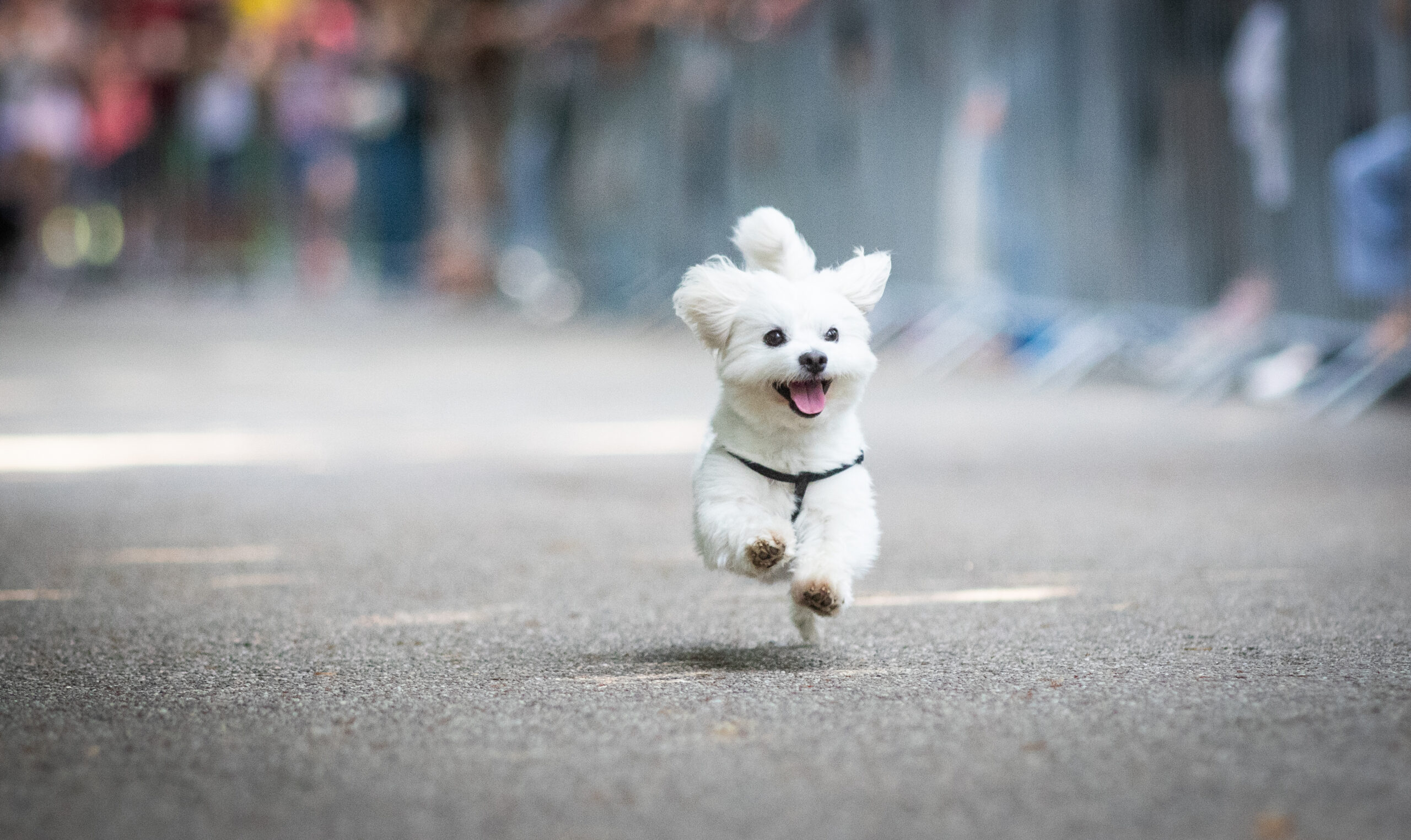
Games like fetch, tug-of-war, and chasing toys provide both physical exercise and mental stimulation.
Training Sessions
Training activities help puppies burn energy while learning important skills such as sitting, staying, and responding to commands.
Social Play
Playing with other vaccinated puppies helps develop social skills and confidence. Supervised play sessions are the safest option.
Signs Your Puppy Needs More Exercise
Some puppies may show signs that they need additional activity. Common signs include:
- Excessive chewing or destructive behavior
- Frequent barking or whining
- Restlessness or hyperactivity
- Difficulty settling down
Providing structured playtime and regular exercise can help manage these behaviors.
Signs Your Puppy May Be Exercising Too Much
Because puppies are still growing, too much exercise can place stress on developing joints and bones. Watch for signs such as:
- Limping or stiffness
- Extreme fatigue
- Reluctance to move or walk
- Excessive panting
If you notice these signs, allow your puppy to rest and consult a veterinarian if symptoms continue.
Tips for Creating a Healthy Exercise Routine
Follow Age-Appropriate Activity Levels
Young puppies need shorter exercise sessions, gradually increasing as they grow.
Include Mental Stimulation
Puzzle toys and basic training exercises help keep your puppy mentally engaged.
Allow Plenty of Rest
Puppies require significant sleep to support healthy growth and development.
Schedule Regular Veterinary Visits
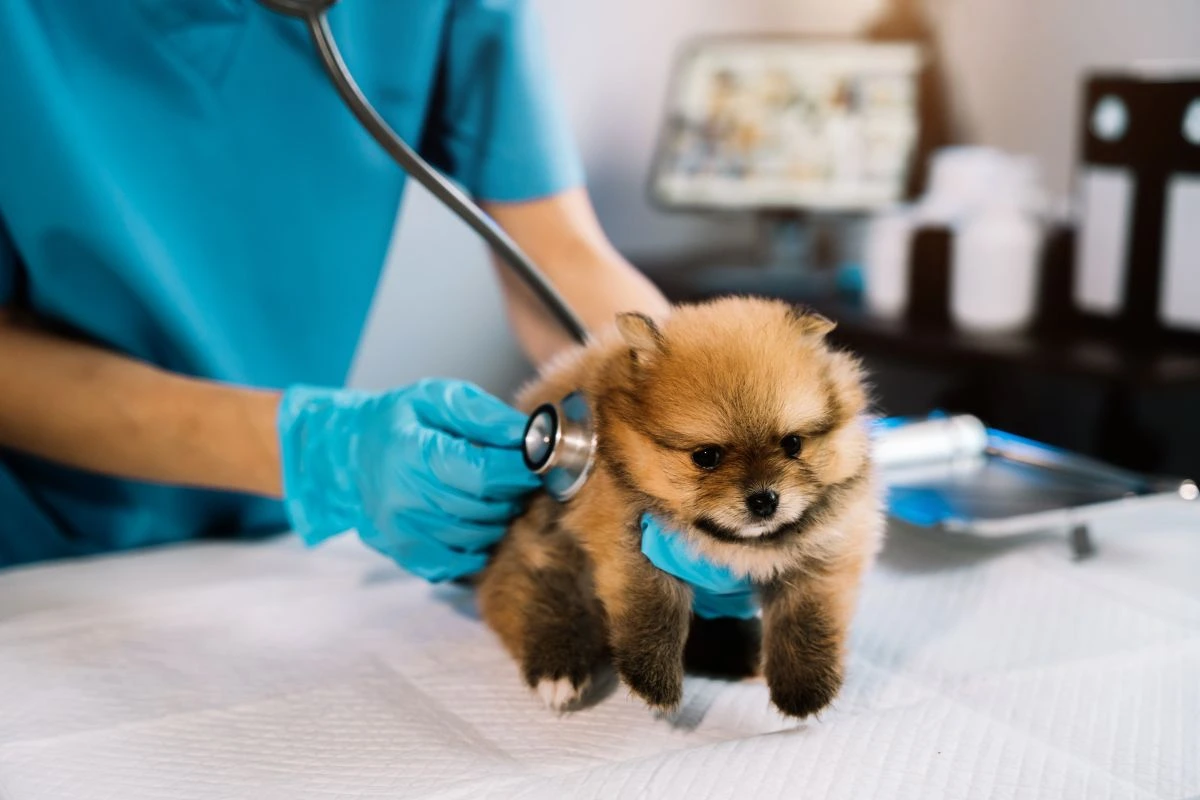
Routine checkups help ensure your puppy is growing properly and receiving the right level of activity for their breed and age.
The veterinary team at Cottleville Animal Hospital can also provide personalized guidance to help pet owners create a safe exercise routine for their growing puppies.
Helping Your Puppy Grow Strong and Healthy
Exercise is an important part of raising a happy puppy, but balance is key. Providing age-appropriate activity, mental stimulation, and plenty of rest helps support healthy development.
By establishing good habits early, you can help your puppy build strength, confidence, and positive behaviors that last into adulthood.
If you have questions about your puppy’s exercise needs or overall health, consulting your veterinarian can help ensure your new companion gets the best start in life.
Frequently Asked Questions (FAQs)
1. How often should I exercise my puppy?
Most puppies benefit from two short exercise sessions per day along with playtime and training activities.
2. Can puppies go on long walks?
Long walks are not recommended for young puppies. Short, gentle walks are safer until they are fully grown.
3. Does breed affect how much exercise a puppy needs?
Yes. High-energy breeds like Border Collies or Labradors may require more activity compared to smaller or lower-energy breeds.
4. Is playing indoors enough exercise for a puppy?
Indoor play can provide good exercise, especially when combined with short outdoor walks and training sessions.
5. When can puppies start more intense exercise?
Most dogs can gradually increase exercise after they reach about 12–18 months old, depending on their breed and size.