

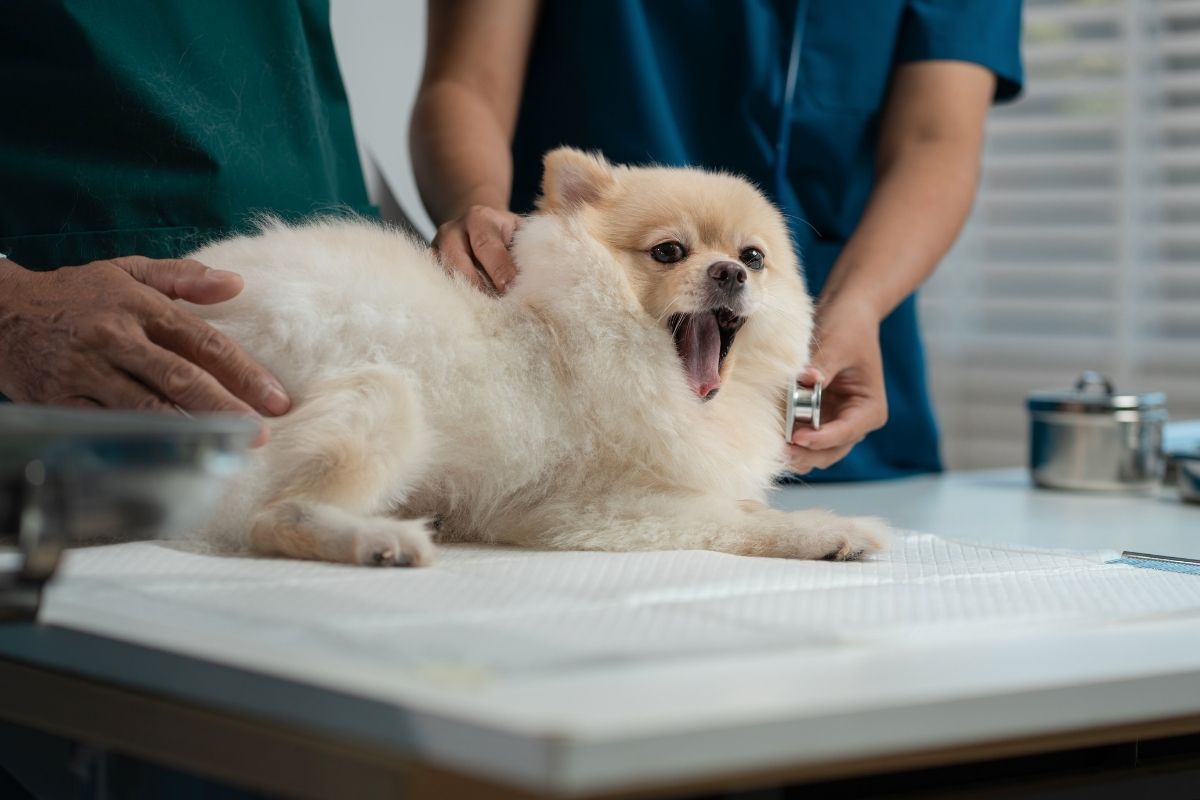
Pets cannot tell us when something feels wrong, which is why identifying health issues early is so important. Many illnesses and injuries begin with subtle symptoms that can easily go unnoticed at home. Diagnostic imaging allows veterinarians to look beneath the surface and detect problems before they become more serious. From identifying fractures and internal injuries to diagnosing chronic diseases, imaging technology plays a critical role in modern veterinary medicine.
Our team is committed to helping pets live healthier, happier lives through advanced veterinary care and early detection tools. If your pet has been showing unusual symptoms or needs preventive screening, our experienced team provides compassionate and thorough pet diagnostics care in Cottleville.
What Is Diagnostic Imaging for Pets?
Diagnostic imaging refers to medical technologies that allow veterinarians to examine the inside of a pet’s body without surgery. These tools help identify injuries, diseases, and abnormalities quickly and accurately. Common forms of veterinary imaging include:
- Digital X-rays
- Ultrasound imaging
- Dental X-rays
- Advanced imaging such as CT scans or MRI through referrals
These technologies provide valuable insight into a pet’s bones, organs, soft tissues, and overall internal health.
For pets experiencing pain, mobility issues, digestive problems, or unexplained symptoms, imaging often helps veterinarians make a faster and more accurate diagnosis.
Why Early Detection Matters
Early diagnosis can significantly improve treatment outcomes for pets. Many conditions become more difficult and expensive to treat when left undetected for too long. Diagnostic imaging helps veterinarians identify issues before symptoms worsen or complications develop.
Benefits of early diagnostic imaging include:
- Faster treatment and recovery
- Improved long-term health outcomes
- Reduced discomfort and pain for pets
- More effective treatment planning
- Prevention of serious medical emergencies
When combined with wellness exams and laboratory testing, imaging becomes an essential part of preventive veterinary care.
Common Conditions Diagnostic Imaging Can Detect
Veterinary imaging can help diagnose a wide range of medical conditions in dogs and cats. Some of the most common issues include:
Broken Bones and Injuries
X-rays are commonly used to identify fractures, joint injuries, and spinal issues. Pets can experience injuries from falls, accidents, or rough play, and imaging allows veterinarians to determine the severity of the damage.
Early diagnosis helps ensure proper treatment and can prevent long-term mobility problems.
Arthritis and Joint Disease
As pets age, arthritis and joint degeneration become increasingly common. Diagnostic imaging helps veterinarians evaluate joint health and detect signs of inflammation, bone changes, or hip dysplasia.
Early management can improve comfort and mobility for senior pets.
Heart and Lung Conditions
Chest X-rays help veterinarians assess the size and shape of the heart and examine lung health. Imaging may reveal:
- Heart enlargement
- Fluid accumulation
- Pneumonia
- Tumors
- Respiratory disease
Detecting these conditions early often leads to better treatment success.
Digestive Problems
Pets experiencing vomiting, diarrhea, constipation, or loss of appetite may require imaging to identify underlying causes such as:
- Foreign object ingestion
- Intestinal blockages
- Organ abnormalities
- Tumors
- Internal inflammation
Quick diagnosis is especially important when pets swallow objects that could create life-threatening obstructions.
Kidney and Bladder Issues
Ultrasounds and X-rays are often used to identify bladder stones, kidney disease, urinary blockages, and infections. These conditions can become severe if not treated promptly.
Dental Disease
Dental X-rays help veterinarians identify issues below the gumline that may not be visible during a standard oral exam. Hidden infections, tooth root damage, and bone loss can all impact a pet’s health and comfort.
How Diagnostic Imaging Improves Treatment Plans
One of the greatest advantages of imaging technology is its ability to guide treatment decisions. Accurate images help veterinarians understand the severity and location of a problem, allowing them to create more personalized care plans.
For example, imaging can help determine whether a pet needs:
- Medication management
- Surgical treatment
- Physical rehabilitation
- Lifestyle adjustments
- Emergency care
Clear diagnostic information reduces guesswork and allows veterinarians to provide targeted treatment as quickly as possible.
Signs Your Pet May Need Diagnostic Imaging
Some pets show obvious signs of illness or injury, while others display subtle behavioral changes. It is important for pet owners to watch for symptoms that may indicate an underlying health issue.
Your veterinarian may recommend imaging if your pet experiences:
- Limping or difficulty walking
- Persistent coughing
- Difficulty breathing
- Loss of appetite
- Vomiting or diarrhea
- Sudden weight loss
- Swollen abdomen
- Difficulty urinating
- Unexplained pain
- Lethargy or weakness
Even if symptoms seem minor, early evaluation can help identify hidden problems before they progress.
The Role of Diagnostic Imaging in Preventive Care
Diagnostic imaging is not only used during emergencies or illness. It can also play an important role in preventive veterinary medicine.
Routine screenings may help identify conditions in their earliest stages, particularly in senior pets or breeds prone to specific health concerns. Preventive imaging may be recommended for pets with:
- Chronic health conditions
- A history of injuries
- Increased cancer risk
- Breed-specific orthopedic issues
- Heart disease concerns
Preventive care allows veterinarians to monitor changes over time and intervene before conditions become more serious.
What to Expect During Your Pet’s Imaging Appointment
Many pet owners feel nervous when their pet requires diagnostic imaging, but the process is generally safe, non-invasive, and stress-free.
Depending on the type of imaging needed, your pet may need to remain still for a short period. In some cases, mild sedation may be recommended to ensure accurate results and reduce stress.
During the appointment:
- Your veterinarian performs a physical exam.
- Imaging is completed using specialized equipment.
- The images are reviewed and interpreted.
- Your veterinarian discusses findings and treatment options.
Digital imaging technology often provides fast results, helping veterinarians begin treatment sooner.
Why Choose Our Animal Hospital
Choosing the right veterinary team matters when it comes to your pet’s health. At Cottleville Animal Hospital, we are dedicated to delivering compassionate care with advanced diagnostic support.
Why choose our animal hospital?
- Experienced and compassionate veterinary professionals
- Advanced diagnostic imaging technology
- Personalized treatment plans for every pet
- Focus on preventive and wellness care
- Comfortable and welcoming environment
- Commitment to early disease detection
Our team understands how important your pet is to your family, and we work hard to provide thorough evaluations and effective treatment recommendations.
Whether your pet needs preventive screening or urgent diagnostic care, our trusted vets in Cottleville are here to help.
Supporting Better Health Outcomes Through Early Diagnosis
Early diagnostic imaging can make a significant difference in a pet’s quality of life. Identifying health concerns before they worsen allows for quicker treatment, improved recovery, and better long-term outcomes.
Modern imaging technology gives veterinarians valuable insight into your pet’s internal health, helping uncover hidden problems that may otherwise go undetected.
If your pet is showing unusual symptoms or is due for preventive screening, schedule an appointment with the caring team at Cottleville Animal Hospital today. Our experienced team proudly provides reliable pet diagnostics care in Cottleville to help pets stay healthy at every stage of life.
Frequently Asked Questions
1. What is diagnostic imaging in veterinary medicine?
Ans: Diagnostic imaging includes tools such as X-rays and ultrasounds that allow veterinarians to examine a pet’s internal structures and identify injuries, illnesses, or abnormalities.
2. When does my pet need diagnostic imaging?
Ans: Your veterinarian may recommend imaging if your pet has symptoms like limping, vomiting, breathing difficulties, pain, or unexplained behavioral changes.
3. Are X-rays safe for pets?
Ans: Yes, veterinary X-rays use very low levels of radiation and are considered safe for pets when performed by trained professionals.
4. Does my pet need sedation for imaging?
Ans: Some pets may require mild sedation to help them remain still during the procedure, but many imaging tests can be completed without it.
5. Can diagnostic imaging detect cancer in pets?
Ans: Imaging can help identify tumors, abnormal growths, and internal changes that may indicate cancer. Additional testing may also be recommended for confirmation.
6. How often should pets have diagnostic screenings?
The frequency depends on your pet’s age, breed, health history, and symptoms. Senior pets and those with chronic conditions may benefit from more regular screenings.