

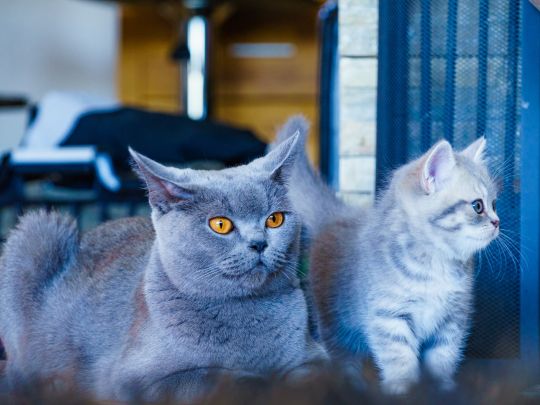
Hairballs are a common concern for cat owners, especially because cats naturally spend a significant amount of time grooming themselves. During this process, loose hair can be swallowed and travel into the digestive tract. While some swallowed hair passes naturally through the stool, larger amounts may collect in the stomach and eventually be regurgitated.
A cat’s diet can play an important role in supporting healthy digestion and helping the body move swallowed hair through the gastrointestinal tract. For cat owners looking for guidance from a veterinarian in Cottleville, understanding the relationship between nutrition, hydration, grooming, and hairballs can make daily care easier.
How Does Diet Affect Hairballs in Cats?
Diet influences several aspects of feline digestive health. A balanced diet provides the nutrients cats need to maintain healthy skin and a normal coat, which may help reduce excessive shedding. It can also support regular bowel movements, allowing swallowed hair to move through the digestive system more efficiently.
Cats have specific nutritional requirements because they are obligate carnivores. Their food should provide appropriate amounts of animal-based protein, essential fatty acids, vitamins, minerals, and other nutrients.
However, simply changing your cat’s food is not always the best approach. Dietary needs can vary based on age, weight, activity level, coat type, and underlying health conditions. A vet can help determine whether your cat’s current diet is appropriate and whether a nutritional adjustment may be beneficial.
Choose a Balanced Diet for Better Coat and Digestive Health
A complete and balanced diet supports your cat’s overall health, including the skin and coat. When nutritional needs are properly met, the coat may remain healthier, potentially reducing excessive shedding.
Look for cat food that is formulated for your cat’s life stage and nutritional requirements. Avoid making major food changes suddenly, as abrupt dietary changes can contribute to digestive upset.
If your cat has recurring hairballs, discuss their current food, feeding routine, body condition, and other symptoms with a veterinarian near you. A professional evaluation can help determine whether nutrition may be contributing to the problem.
Fiber May Help Move Swallowed Hair Through the Digestive Tract
Dietary fiber can support normal gastrointestinal movement and stool formation. Some cat foods designed for hairball management contain specific types or amounts of fiber intended to help swallowed hair pass through the digestive system rather than accumulating in the stomach.
However, more fiber is not necessarily better. Cats have different dietary needs, and excessive or inappropriate fiber supplementation may interfere with digestion or nutrient absorption.
Instead of adding fiber supplements or human foods to your cat’s meals on your own, talk with a veterinarian about appropriate options. Your cat’s overall diet should remain nutritionally balanced.
Hydration Is Important for Healthy Digestion
Adequate water intake is another important part of digestive health. Cats are sometimes reluctant to drink enough water, particularly when most of their diet consists of dry food.
You can encourage healthy hydration by providing fresh water in multiple locations, keeping water bowls clean, or discussing wet food options with your veterinary team. Some cats also prefer moving water from a fountain.
Good hydration supports normal gastrointestinal function and can complement a balanced diet. If your cat consistently drinks much more or much less water than usual, however, discuss the change with a veterinarian in Cottleville, as changes in drinking habits can sometimes be associated with health conditions.
Grooming and Diet Work Together to Reduce Hairballs
Nutrition is only one part of hairball management. Regular grooming can remove loose hair before your cat has an opportunity to swallow it.
Long-haired cats and cats that shed heavily may benefit from more frequent brushing. Choose a grooming tool appropriate for your cat’s coat and introduce grooming gradually if your cat is uncomfortable with brushing.
Reducing loose hair through grooming means there may be less hair available for your cat to ingest during self-grooming. Combined with appropriate nutrition and hydration, regular brushing can be a useful part of a hairball prevention routine.
When Should Hairballs Be Evaluated by a Vet?
Occasional hairballs may occur in otherwise healthy cats. However, frequent or persistent hairball-related symptoms deserve attention. Repeated vomiting, difficulty passing stool, reduced appetite, lethargy, abdominal discomfort, or changes in normal bathroom habits should not automatically be assumed to be caused by hairballs.
Some digestive or other health conditions can produce symptoms that look similar to ordinary hairball problems. Veterinary evaluation can help identify the underlying cause.
Pet diagnostics care may include a physical examination and, when appropriate, laboratory testing or imaging. Cottleville Animal Hospital provides diagnostic services designed to help identify health concerns and guide appropriate care.
How a Veterinarian in Cottleville Can Help With Hairball Prevention
If your cat experiences frequent hairballs, a veterinary professional can look at the bigger picture rather than focusing only on the hairball itself. Your cat’s diet, weight, coat condition, grooming routine, water intake, stool quality, and overall health may all provide useful clues.
Nutritional recommendations should be based on the individual cat. Cottleville Animal Hospital emphasizes personalized nutritional guidance based on factors such as age, weight, health conditions, and activity level.
Keeping track of how often your cat produces hairballs can also be helpful. Note changes in appetite, vomiting, stool, grooming behavior, and energy levels. This information can help your veterinarian understand whether the issue is occasional or becoming more frequent.
Final Thoughts on Diet and Cat Hairballs
Diet can be an important part of managing hairballs, but it should be considered alongside hydration, grooming, and regular veterinary care. A balanced diet supports healthy skin, coat, and digestion, while appropriate fiber and adequate water intake may help swallowed hair move through the digestive tract.
If your cat is experiencing frequent hairballs or other digestive changes, professional guidance can help determine the most appropriate approach. For pet owners in Cottleville, Cottleville Animal Hospital provides comprehensive veterinary care with an emphasis on whole-body wellness and personalized nutritional management.
If you have concerns about your cat’s diet, digestion, or recurring hairballs, schedule an appointment with our animal hospital to discuss your pet’s individual needs.
FAQs
1. Can a cat’s diet help reduce hairballs?
Ans: Yes. A complete and balanced diet can support healthy skin, coat, digestion, and regular bowel movements. Some diets are also specifically formulated to support hairball management.
2. Does fiber help cats pass hairballs?
Ans: Certain types and amounts of dietary fiber may help swallowed hair move through the digestive tract. However, fiber should be provided appropriately as part of a balanced diet rather than added without veterinary guidance.
3. Should I give my cat supplements for hairballs?
Ans: Not necessarily. Supplements are not appropriate for every cat and may not address the underlying reason for frequent hairballs. Talk with your veterinarian before adding a supplement to your cat’s diet.
4. Can drinking more water help with hairballs?
Ans: Adequate hydration supports normal digestive function and stool consistency. Providing fresh water and discussing wet food options with your veterinary team may help support your cat’s overall hydration.
5. How often should I brush my cat to help prevent hairballs?
Ans: The ideal grooming frequency depends on your cat’s coat length, shedding pattern, and tolerance for brushing. Long-haired cats often need more frequent grooming to remove loose hair.
6. When should I take my cat to a veterinarian for hairballs?
Ans: Frequent vomiting, repeated hairball episodes, appetite changes, lethargy, difficulty passing stool, or other unusual digestive symptoms should be evaluated by a veterinarian. These signs may have causes other than ordinary hairballs.
