
Caring for your cat’s teeth is one of the most important—yet often overlooked—parts of maintaining their overall health. Dental disease is extremely common in cats, and without proper care, it can lead to pain, infection, and even affect vital organs like the heart and kidneys. The good news is that with the right approach, you can clean your cat’s teeth without causing stress for either of you.
For pet owners in Cottleville and the surrounding area, understanding how to make dental care a calm, positive experience can go a long way in supporting your cat’s long-term well-being.
Why Dental Care Matters for Cats
Just like humans, cats develop plaque and tartar buildup on their teeth. Over time, this can lead to gingivitis, periodontal disease, bad breath, and tooth loss. Many cats hide signs of discomfort, so dental issues can go unnoticed until they become serious.
Routine dental care at home, combined with regular visits to a veterinarian, helps prevent these problems and keeps your cat healthy and comfortable.
Signs Your Cat May Have Dental Issues
Before starting a dental routine, it’s important to recognize potential warning signs:
- Bad breath
- Red or swollen gums
- Difficulty eating or dropping food
- Excessive drooling
- Pawing at the mouth
- Yellow or brown tartar buildup
If you notice any of these symptoms, it’s best to schedule an appointment for a professional evaluation.
Getting Your Cat Comfortable with Dental Care
The key to stress-free teeth cleaning is gradual introduction and positive reinforcement. Cats are sensitive to change, so patience is essential.
Start Slow
Begin by gently touching your cat’s face and lifting their lips for a few seconds at a time. Reward them with treats or affection to create a positive association.
Choose the Right Time
Pick a calm moment when your cat is relaxed—such as after a meal or nap. Avoid forcing the process when your cat is anxious or energetic.
Use Gentle Handling
Keep your movements slow and calm. Speak softly and avoid restraining your cat too tightly, as this can increase stress.
Tools You’ll Need
Using the right tools can make a big difference in both effectiveness and comfort:
- Cat-specific toothbrush (small and soft-bristled)
- Finger brush (great for beginners)
- Pet-safe toothpaste (never use human toothpaste)
- Dental treats or rewards
Flavored toothpaste designed for cats can make the experience more enjoyable and less intimidating.
Step-by-Step Guide to Cleaning Your Cat’s Teeth
- Introduce the Toothpaste
Let your cat sniff and taste the toothpaste. This helps them become familiar with the flavor. - Start with Your Finger
Gently rub a small amount of toothpaste along your cat’s gums using your finger or a finger brush. - Transition to a Toothbrush
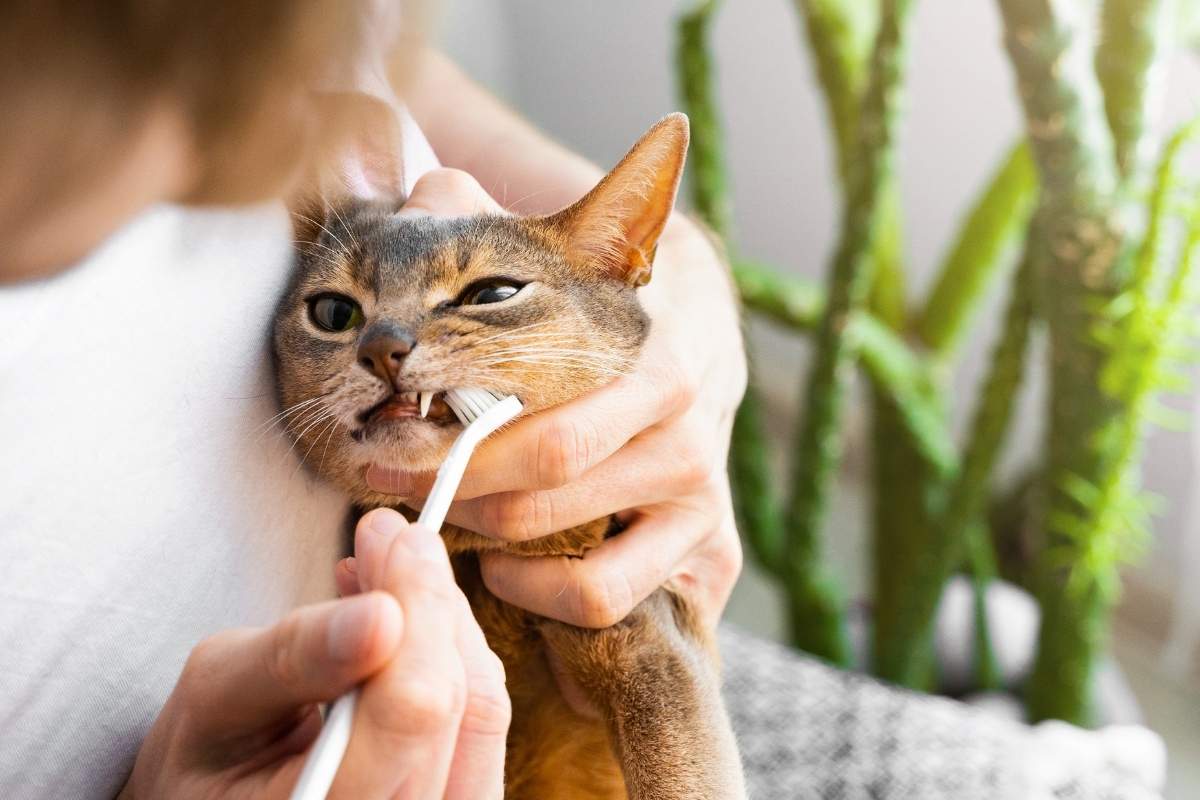
Once your cat is comfortable, introduce a toothbrush. Focus on the outer surfaces of the teeth, where plaque tends to accumulate. - Keep Sessions Short
Aim for 30–60 seconds at first. Gradually increase the duration as your cat becomes more comfortable. - Reward Your Cat
Always end the session with a treat or praise to reinforce positive behavior.
How Often Should You Clean Your Cat’s Teeth?
Ideally, brushing your cat’s teeth daily provides the best protection against plaque buildup. However, even brushing a few times a week can make a significant difference.
Consistency is more important than perfection. Establishing a routine that works for both you and your cat is key.
Alternatives to Brushing
If your cat resists brushing, there are other ways to support dental health:
- Dental treats and chews designed to reduce plaque
- Water additives that promote oral hygiene
- Dental diets formulated to clean teeth as your cat eats
While these options can help, they should not replace professional dental care or regular checkups with a veterinarian.
Professional Dental Care
Even with regular at-home care, professional cleanings are essential. A veterinarian can perform a thorough dental exam, remove tartar buildup, and address any underlying issues.
Professional cleanings are typically done under anesthesia to ensure safety and effectiveness. Your veterinary team will also provide guidance on maintaining your cat’s dental health at home.
If you’re unsure about your cat’s dental condition or need help starting a routine, it’s always a good idea to schedule an appointment for personalized advice.
Tips to Reduce Stress During Teeth Cleaning
- Stay calm and patient
- Use positive reinforcement
- Keep sessions short and consistent
- Avoid forcing your cat if they resist
- Gradually build up tolerance over time
Remember, every cat is different. What works for one may not work for another, so be flexible and adjust your approach as needed.
Supporting Lifelong Oral Health
Dental care is not just about clean teeth—it’s about your cat’s overall health and quality of life. By taking small, consistent steps, you can prevent painful dental issues and ensure your cat stays happy and healthy.
Pet owners in Cottleville and surrounding areas can benefit from expert guidance and routine dental evaluations. Partnering with a trusted veterinary team makes it easier to stay on top of your cat’s oral health.
FAQs
1. How do I know if my cat needs dental cleaning?
Ans: Signs like bad breath, swollen gums, or difficulty eating may indicate dental problems. A veterinarian can perform a proper evaluation and recommend treatment.
2. Can I use human toothpaste for my cat?
Ans: No, human toothpaste is not safe for cats. Always use toothpaste specifically formulated for pets.
3. What if my cat refuses to let me brush their teeth?
Ans: Start slowly, use a finger brush, and try alternatives like dental treats or water additives. Consult a veterinarian for additional guidance.
4. How often should I brush my cat’s teeth?
Ans: Daily brushing is ideal, but even a few times a week can help maintain oral health.
5. Are dental treats effective?
Ans: Dental treats can help reduce plaque, but they should be used alongside regular brushing and professional care.
6. When should I schedule a dental checkup for my cat?
Ans: Cats should have regular dental exams during routine veterinary visits. If you notice any symptoms, schedule an appointment promptly.