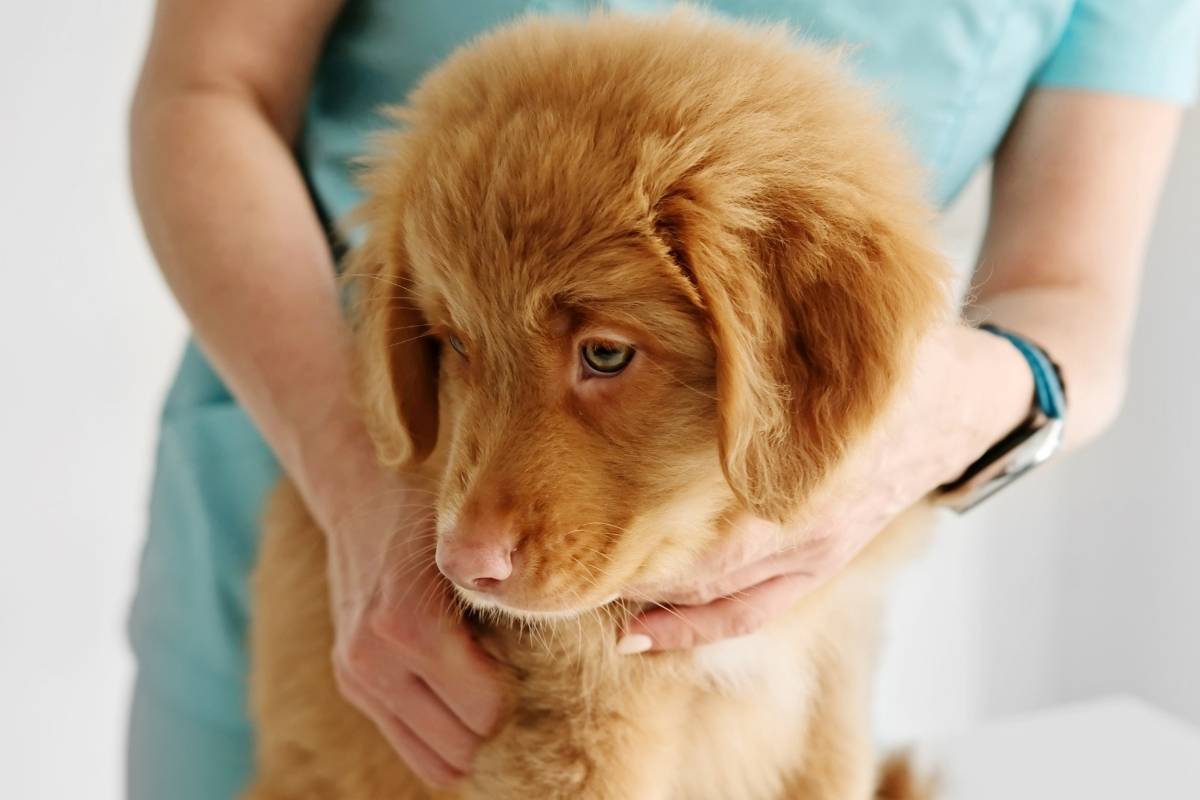

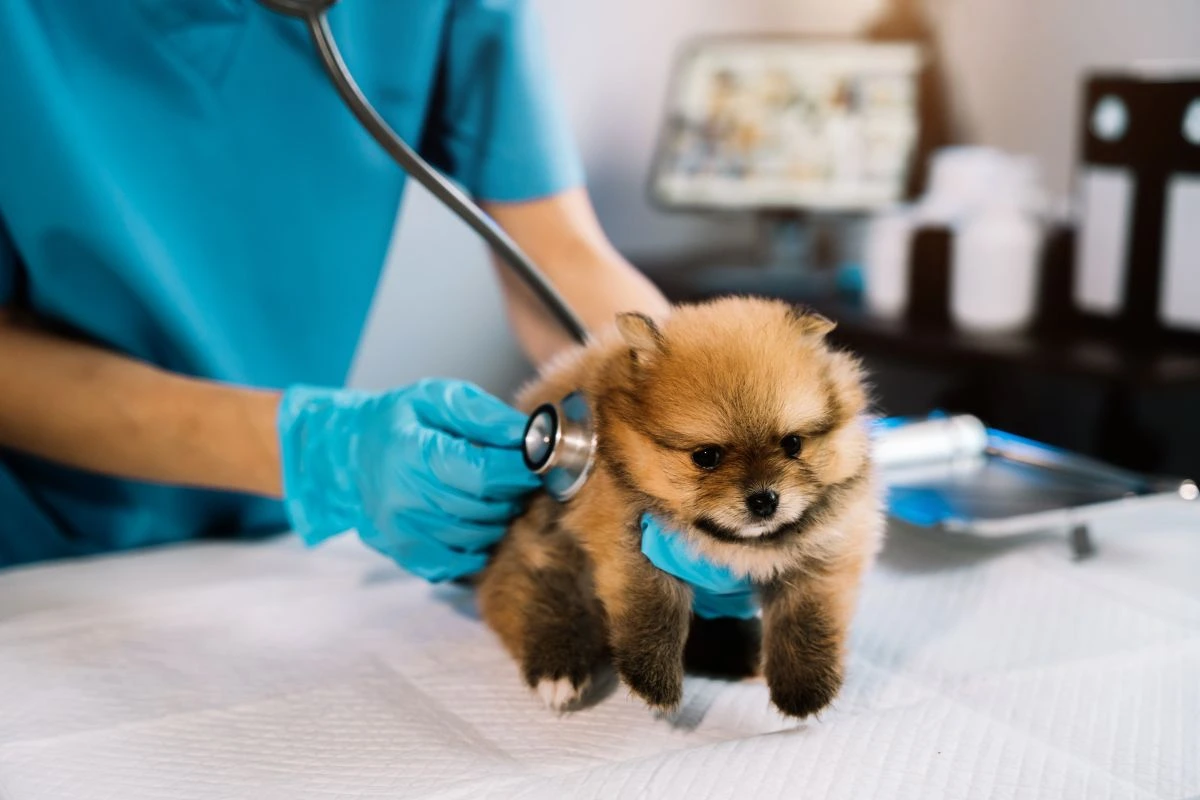
Bringing a new puppy home is an exciting and joyful experience. However, along with the cuddles and playtime comes the responsibility of protecting your puppy’s health. Puppies are more vulnerable than adult dogs, and even minor symptoms can quickly turn into serious concerns.
Understanding common health problems early helps you take quick action and ensures your puppy grows into a healthy adult dog.
In this guide, we’ll cover the most common puppy health issues, warning signs, and when to seek professional veterinary care—especially helpful for pet families in Cottleville, MO.
Why Puppies Are More Prone to Health Issues
Puppies have developing immune systems, which makes them more susceptible to infections, parasites, and environmental stress. Additionally, their natural curiosity often leads them to explore unsafe objects, increasing the risk of illness.
Because of this, early monitoring and preventive veterinary care are essential during the first year of life.
Most Common Puppy Health Problems
1. Digestive Issues
Upset stomach is one of the most frequent problems in puppies. It can result from diet changes, eating inappropriate items, or infections.
Common signs:
- Vomiting
- Diarrhea
- Loss of appetite
- Lethargy
Mild cases may resolve quickly, but persistent symptoms require professional evaluation.
2. Intestinal Parasites
Puppies are highly prone to parasites such as roundworms, hookworms, and Giardia. These parasites can affect growth and overall health.
Watch for:
- Bloated belly
- Weight loss
- Diarrhea
- Visible worms in stool
Routine deworming and checkups are crucial parts of proper veterinary care.
3. Parvovirus (Parvo)
Parvo is a serious and highly contagious viral infection that mainly affects puppies.
Warning signs:
- Severe vomitin
- Bloody diarrhea
- Extreme weakness
- Fever
This condition requires immediate medical attention, as it can be life-threatening without prompt treatment.
4. Ear Infections
Puppies can develop ear infections due to bacteria, yeast, or moisture buildup.
Symptoms include:
- Head shaking
- Scratching ears
- Bad odor
- Redness or discharge
Early treatment prevents discomfort and complications.
5. Skin Problems and Allergies
Skin issues are common in young dogs and may result from allergies, parasites, or infections.
Signs to look for:
- Itching or scratching
- Red or inflamed skin
- Hair loss
- Rashes
Proper diagnosis ensures your puppy receives the right treatment.
6. Teething Discomfort
As puppies grow, they go through a teething phase that can cause discomfort.
Common behaviors:
- Chewing on objects
- Drooling
- Mild gum irritation
Providing safe chew toys can help ease discomfort during this stage.
When to Seek Veterinary Care
While some symptoms may seem mild, puppies can deteriorate quickly. Contact a veterinarian if you notice:
- Repeated vomiting or diarrhea
- Refusal to eat or drink
- Extreme lethargy
- Difficulty breathing
- Sudden behavior changes
Early intervention is the key to preventing serious complications.
Preventing Common Puppy Health Issues
Prevention plays a major role in keeping your puppy healthy. Simple steps can make a big difference:
- Follow a proper vaccination schedule
- Maintain regular deworming
- Feed a balanced, high-quality diet
- Keep your home environment safe
- Schedule routine vet visits
Consistent preventive veterinary care helps detect problems early and ensures healthy development.
Supporting Your Puppy’s Healthy Growth
Healthy puppies are active, playful, and alert. Monitoring your puppy’s behavior daily helps you identify changes quickly.
Make sure to:
- Track eating habits
- Observe stool quality
- Maintain hygiene
- Provide regular exercise
Building these habits early sets the foundation for lifelong health.
Final Thoughts
Puppies bring joy, but they also require attentive care and monitoring. By understanding common health problems and recognizing warning signs, you can protect your puppy from serious illness.
Timely action and regular veterinary visits ensure your puppy grows strong and healthy.
If you are in Cottleville, MO, and looking for trusted veterinary care, schedule an appointment with Cottleville Animal Hospital. Their experienced team is dedicated to providing compassionate care and guiding you through every stage of your puppy’s health journey.
FAQs
Q1. How often should I take my puppy to the vet?
Ans. Puppies typically need frequent visits during their first year for vaccinations and health checks.
Q2. What is the most common illness in puppies?
Ans. Digestive issues and parasites are among the most common health concerns.
Q3. How do I know if my puppy is sick?
Ans. Look for changes in appetite, energy levels, or behavior, along with symptoms like vomiting or diarrhea.
Q4. Can puppy illnesses be prevented?
Ans. Many can be prevented with vaccinations, proper diet, and regular veterinary care.
Q5. Is diarrhea in puppies serious?
Ans. Mild cases may resolve quickly, but persistent diarrhea requires veterinary attention.
Q6. When should I worry about my puppy’s health?
Ans. Seek help if symptoms are severe, persistent, or worsen quickly.