
Bringing home a new puppy fills your heart with joy and excitement. Those tiny paws, floppy ears, and endless cuddles create memories you’ll treasure forever. However, protecting your vulnerable new family member requires understanding some serious health risks.
Canine parvovirus remains one of the deadliest threats facing young puppies today. This highly contagious disease claims thousands of puppy lives annually, yet it’s almost entirely preventable. The challenge lies in balancing proper parvo prevention in puppies with essential early socialization needs.
Many pet owners feel caught between protecting their puppy from disease and ensuring healthy behavioral development. This guide helps you navigate vaccination timing and safe socialization strategies confidently.
Understanding Canine Parvovirus and Its Dangers:
What Makes Parvo So Deadly
Parvovirus attacks rapidly dividing cells in puppies’ bodies, primarily targeting the intestinal lining and bone marrow. Infected puppies experience severe vomiting, bloody diarrhea, and dangerous dehydration within days of exposure.
Without immediate intensive treatment, mortality rates reach 90% in unvaccinated puppies. Even with aggressive veterinary care, survival isn’t guaranteed. The virus spreads through infected feces and contaminated environments.
Why Puppies Face Higher Risks
Young puppies lack mature immune systems to fight off parvovirus effectively. Maternal antibodies from nursing provide temporary protection, but these antibodies gradually decrease over the first several months.
The Critical Puppy Vaccination Schedule:
Understanding Vaccination Timing
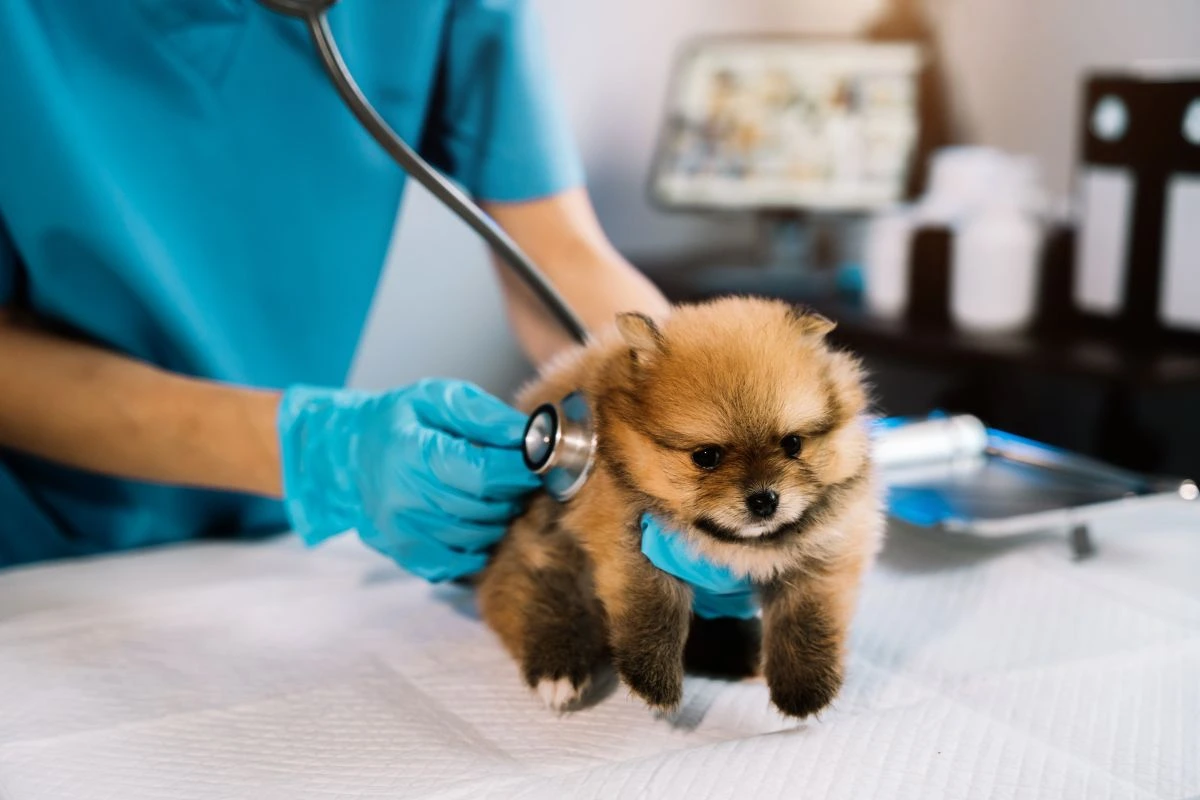
Puppies require a series of vaccinations rather than single shots because maternal antibodies can interfere with vaccine effectiveness. Veterinarians typically recommend starting vaccines between 6-8 weeks of age.
The standard protocol includes boosters every 3-4 weeks until puppies reach 16 weeks old. Some high-risk puppies may need an additional booster at 18-20 weeks. This schedule ensures protection develops as maternal antibodies wane.
Why Gaps Between Vaccines Matter
The periods between vaccinations represent your puppy’s most vulnerable times. During these gaps, maternal antibody levels may have dropped while vaccine immunity hasn’t fully developed yet.
Understanding this vulnerability helps you make informed decisions about exposure risks. Never assume your puppy is fully protected after just one or two vaccines in the series.
For reliable Vaccinations in Cottleville, MO, working with experienced veterinary professionals ensures your puppy receives properly timed immunizations.
Safe Socialization Strategies During Vaccination Periods:
The Socialization Window Challenge
Puppies experience a critical socialization period between 3-16 weeks of age. During this time, positive exposures shape their lifelong behavior and temperament. Missing this window can create fearful, anxious adult dogs.
Unfortunately, this socialization window overlaps directly with vaccination vulnerability periods. However, keeping puppies completely isolated until fully vaccinated creates behavioral risks that may prove equally problematic.
Low-Risk Socialization Options
You can safely socialize your puppy while minimizing parvo exposure through strategic approaches:
- Carry your puppy in public spaces rather than letting them walk on contaminated ground
- Visit homes with healthy, fully vaccinated adult dogs
- Attend supervised puppy classes held in sanitized indoor facilities
- Invite vaccinated dogs to your own clean yard for playdates
- Expose puppies to sounds, sights, and experiences without ground contact in high-traffic areas
Environments to Avoid Completely
Until your puppy completes their full vaccination series, strictly avoid:
- Dog parks and public walking trails
- Pet stores with high dog traffic
- Outdoor areas frequented by unknown dogs
- Veterinary clinic floors (carry your puppy inside)
- Apartment complex common areas
The team at Cottleville Animal Hospital can provide specific guidance tailored to your local area’s parvo prevalence and risk factors.
Warning Signs Every Puppy Owner Must Recognize:
Early Symptoms of Parvo Infection
Time matters critically with parvovirus infections. Recognizing early warning signs can save your puppy’s life:
- Sudden lethargy or depression
- Loss of appetite lasting more than one meal
- Vomiting that doesn’t resolve quickly
- Diarrhea, especially if bloody or foul-smelling
- Fever or abnormally low body temperature
When to Seek Emergency Care
Never wait to see if symptoms improve on their own. Contact your veterinarian immediately if your unvaccinated or partially vaccinated puppy shows any concerning signs. Early intervention dramatically improves survival chances.
Inform the veterinary clinic before arriving so they can prepare isolation protocols. This protects other vulnerable animals in the waiting area from potential exposure.
Protecting your new puppy from parvovirus doesn’t mean sacrificing crucial early socialization experiences. With careful planning and smart strategies, you can raise a healthy, well-adjusted dog while minimizing disease risks.
Understanding parvo prevention in puppies empowers you to make confident decisions during those vulnerable early months. Your diligence during this critical period sets the foundation for years of happy adventures together.
Schedule your puppy’s next vaccination appointment today and discuss safe socialization strategies with your veterinary team. Your commitment to proper protection gives your furry friend the best possible start in life.
Frequently Asked Questions:
Q1: How long does parvovirus survive in the environment?
Ans: Parvovirus is extremely hardy and can survive in soil and on surfaces for up to one year. Regular household cleaners don’t kill it—only diluted bleach solutions effectively eliminate the virus from contaminated areas.
Q2: Can my puppy get parvo even after starting vaccinations?
Ans: Yes, puppies remain vulnerable until completing their entire vaccine series around 16 weeks. Partial vaccination provides incomplete protection, especially during the gaps between booster shots.
Q3: Is it safe to take my puppy to training classes before full vaccination?
Ans: Reputable puppy classes held in sanitized indoor facilities with vaccination requirements for all attendees are generally considered safe. Avoid outdoor classes or those without health protocols.
Q4: Can adult dogs carry parvo and infect puppies?
Ans: Vaccinated adult dogs rarely become infected, but they can potentially carry the virus on their paws or fur after environmental exposure. Always ensure visiting dogs are current on vaccinations.
Q5: When can my puppy safely visit dog parks?
Ans: Most veterinarians recommend waiting at least two weeks after completing the final puppy booster, typically around 18 weeks of age. This allows full immune response development before high-risk exposures.