
Bringing your dog in for a spay procedure can feel nerve-wracking, especially if it’s your first time. Understanding what happens before, during, and after surgery helps ease anxiety and ensures you provide the best care for your pet. This step-by-step guide on what happens during your dog’s spay procedure will walk you through each stage and offer actionable tips for smooth recovery.
The Benefits of Spaying Your Dog for Health and Behavior
Spaying your dog prevents unwanted litters, reduces the risk of certain cancers, and can improve behavioral health. Beyond reproductive benefits, spaying can help your dog live a longer, healthier life.
Key benefits include:
- Prevention of uterine infections and breast tumors
- Reduction in hormonal behaviors such as roaming and aggression
- Supporting population control for responsible pet ownership
How to Get Your Dog Ready for Surgery
Preparation is critical for a safe spay procedure. Your veterinarian will likely recommend:
- Fasting: Typically 8–12 hours before surgery to reduce anesthesia risks.
- Pre-surgery exam: A physical exam and sometimes blood work to ensure your dog is healthy.
- Comfortable drop-off: Bring a favorite blanket or toy to reduce stress.
By following these steps, you help ensure the procedure goes smoothly and safely.
Step 1: Pre-Anesthesia and Monitoring
Once your dog is in the surgical suite, the veterinary team will:
- Administer anesthesia to keep your dog pain-free and unconscious
- An intravenous line is set up to deliver fluids and medications safely
- Monitor vital signs, including heart rate, respiration, and temperature
This careful monitoring ensures your dog stays safe throughout the procedure.
Step 2: The Spay Surgery
During the spay surgery (ovariohysterectomy):
- The veterinarian makes a small incision in your dog’s abdomen.
- The veterinarian gently removes the ovaries and uterus to complete the spay procedure
- The incision is closed with sutures or surgical glue, depending on your dog’s needs.
The procedure typically lasts 30–60 minutes, depending on your dog’s size and health.
Step 3: Recovery in the Clinic
After surgery, your dog will be moved to a recovery area. Veterinary staff monitor your pet closely, checking:
- Vital signs
- Pain levels
- Responsiveness as anesthesia wears off
Most dogs are awake within an hour and can go home the same day.
Step 4: Post-Operative Care at Home
Caring for your dog after a spay procedure is crucial to prevent complications. Key tips include:
- Limit activity for 10–14 days to allow healing.
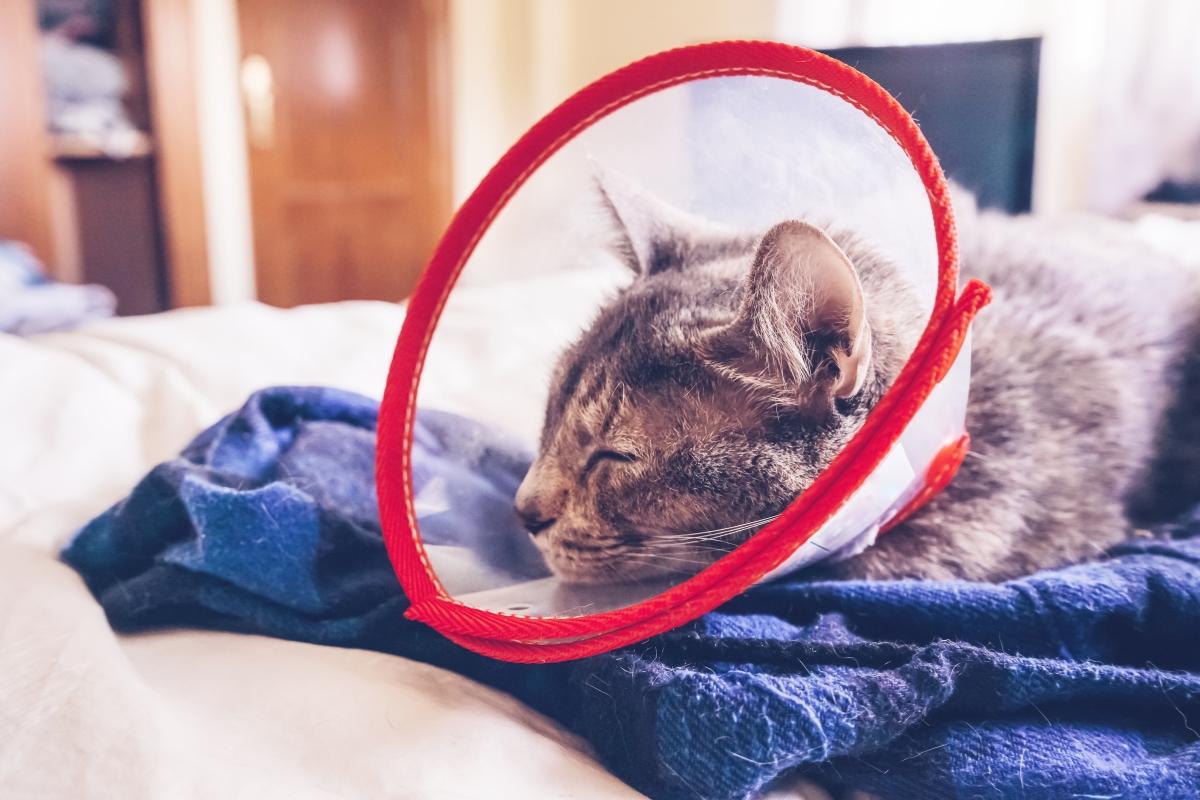
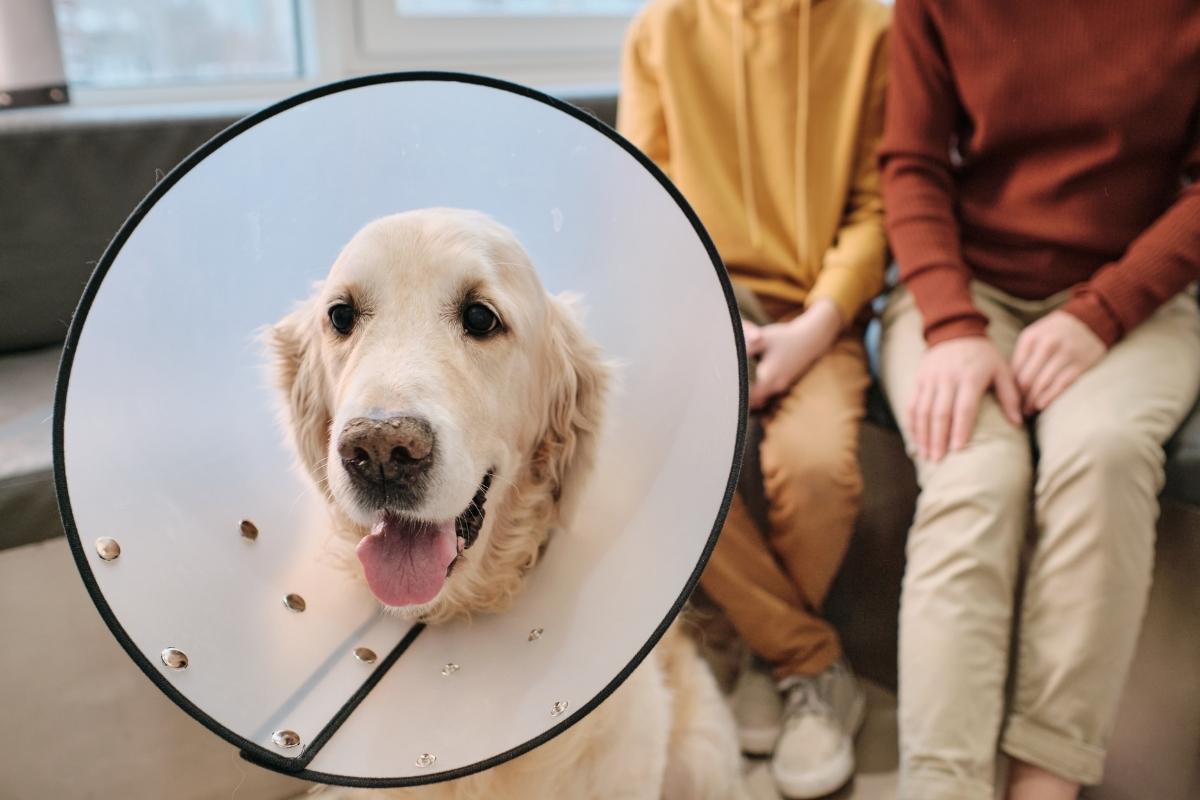
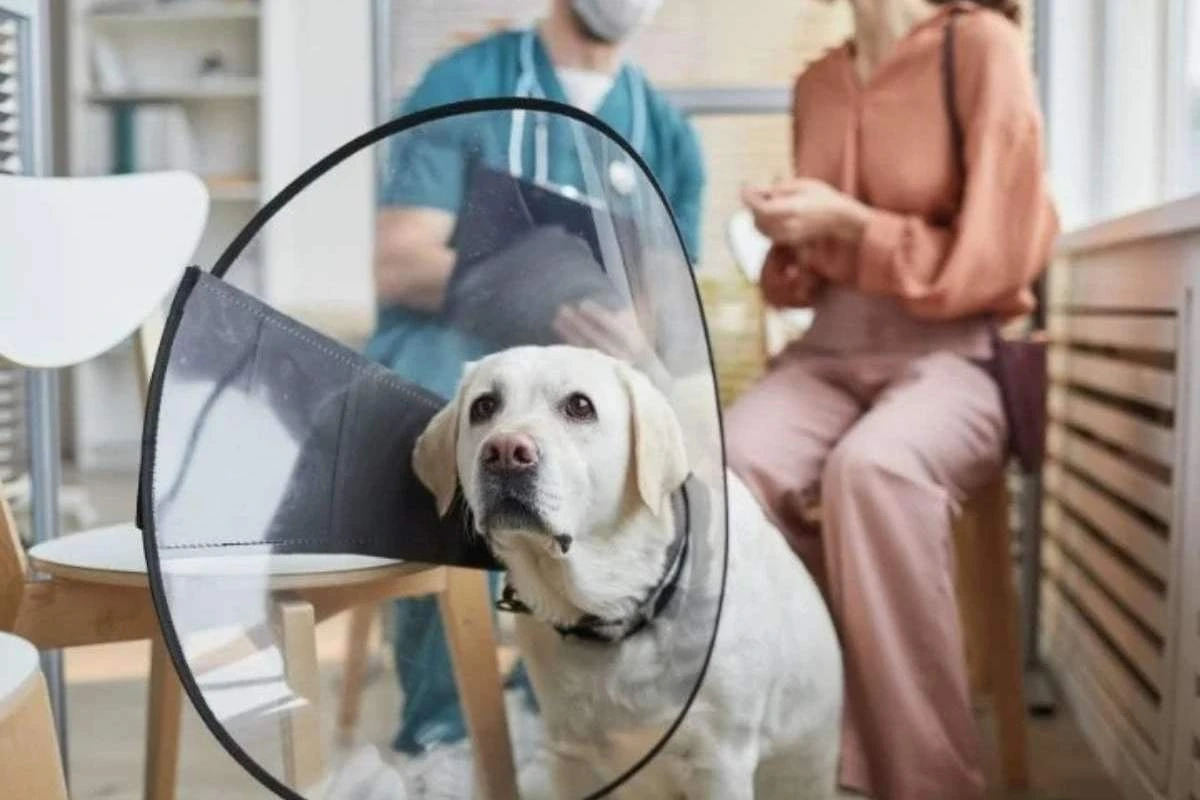
- Prevent licking or chewing at the incision, using an Elizabethan collar if needed.
- Monitor for signs of infection, swelling, or unusual discharge.
- Follow your vet’s instructions regarding medications and follow-up visits.
If you’re in Cottleville, MO, and want trusted advice on your dog’s spay procedure and recovery, our team at Cottleville Animal Hospital’s Surgical Services is here to guide you every step of the way.
Practical Advice for a Comfortable Recovery at Home
- Keep your dog comfortable: Provide a quiet space with soft bedding.
- Check the incision daily: Look for redness, swelling, or discharge.
- Follow feeding instructions: Offer small, easy-to-digest meals after surgery.
- Prevent jumping or running: Short leash walks are fine once cleared by your vet.
- Stay in touch with your veterinarian: Any concerns should be addressed promptly.
By following these steps, you help your dog heal safely and comfortably.
Understanding what happens during your dog’s spay procedure helps reduce anxiety and ensures you provide proper care before and after surgery. Following vet guidance and maintaining post-operative care routines will support a smooth recovery and promote your dog’s long-term health.
Spaying is a responsible choice that prevents unwanted litters, reduces health risks, and contributes to a happier, healthier life for your furry companion.
FAQs
Q1. How long does a dog spaying procedure take?
Ans. Most spay surgeries last 30–60 minutes, depending on the dog’s size, age, and health. Recovery in the clinic may add another hour.
Q2. Is anesthesia safe for my dog?
Ans. Modern veterinary anesthesia is very safe. Pre-surgical exams and monitoring during surgery further reduce risks.
Q3. When can my dog go home after surgery?
Ans. Most dogs are ready to go home the same day once they wake from anesthesia and their vital signs are stable.
Q4. How should I care for the incision?
Ans. Keep it clean and dry. Prevent licking with a cone if necessary and watch for swelling, redness, or discharge.
Q5. Will my dog be in pain after the spay?
Ans. Some mild discomfort is normal. Your vet will provide pain relief and guidance to keep your dog comfortable.
Q6. When can my dog resume normal activity?
Ans. Typically, 10–14 days after surgery, but your vet will advise when it’s safe to resume running, jumping, or rough play.