

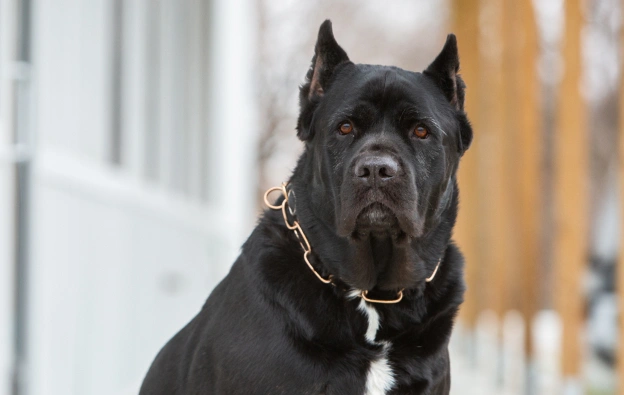
Gentle, Expert Care for Senior Pets
Pets age much faster than humans, and by the time they reach 7 years old, most dogs and cats are considered seniors. At Cottleville Animal Hospital, we offer specialized senior pet care to help you manage their unique health needs and keep them happy and healthy in their golden years.
Caring for Your Senior Dog and Cat
Senior pets need specialized care to maintain their health and quality of life. We recommend semi-annual check-ups for geriatric pets to closely monitor changes such as weight loss, heart and lung concerns, dental disease, cataracts, glaucoma, arthritis, and cancer. These regular visits help us catch potential issues early, ensuring your pet stays comfortable, happy, and healthy.
- Senior age begins earlier than expected: Most dogs are considered seniors around age 7, with larger breeds aging sooner, while cats typically reach senior status around age 8.
- Pets age faster than humans: One human year equals roughly five to seven pet years, meaning health changes can develop within just 3–6 months.
- More frequent exams are recommended: Semi-annual wellness visits help monitor age-related changes and support early intervention.
- Dental health becomes increasingly important: Dental disease is common in senior pets and can lead to pain, infection, tooth loss, and complications affecting the heart and kidneys.
- Preventive health screenings support early detection: Blood work, urinalysis, fecal exams, X-rays, and ultrasounds help identify concerns before symptoms appear.
- Nutrition and weight management play a major role: Senior pets often need fewer calories and balanced protein intake to reduce the risk of kidney disease, arthritis, diabetes, and heart or respiratory issues.
- Arthritis and mobility changes are common: Stiffness, limping, or difficulty jumping may indicate joint disease that benefits from early management.
- Behavioral changes may occur with age: Increased sleep, confusion, reduced interaction, or house training accidents are common and often manageable with proper care.

Mobility and Pain Management for Senior Pets
As pets age, changes in mobility and comfort are common and can affect their daily quality of life. Arthritis, joint stiffness, muscle loss, and decreased flexibility may make activities like walking, climbing stairs, or getting up from rest more difficult. Often, these changes develop gradually, with early signs such as slower movement, reluctance to jump, limping, or decreased interest in play.
Effective pain management can greatly improve a senior pet’s comfort and independence. Care plans may include medications, joint-support supplements, weight management, and adjustments to daily routines to reduce stress on aging joints. Gentle, low-impact activity helps maintain strength and flexibility, while supportive home modifications, such as soft bedding, non-slip flooring, or ramps, can further enhance comfort.