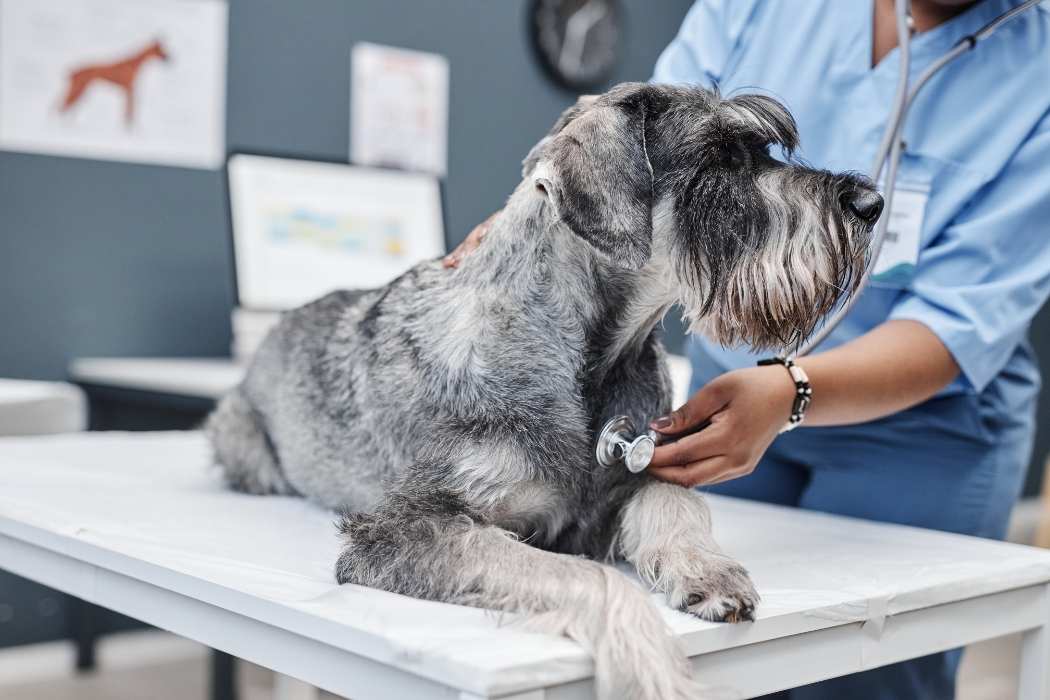

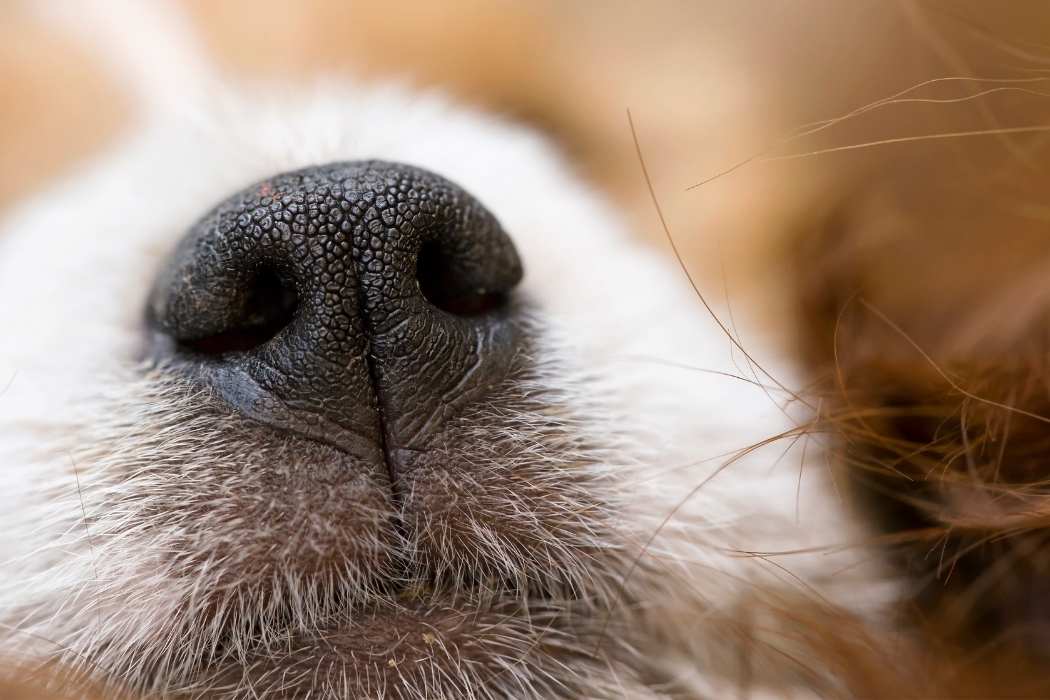
A dog’s nose is often one of the first things pet owners notice. Many people assume a healthy dog should always have a cold, wet nose, while a dry nose automatically means illness. In reality, your dog’s nose can change throughout the day depending on activity, sleep, weather, and hydration levels. However, there are times when a persistently dry nose may signal an underlying health issue that deserves veterinary attention.
At Cottleville Animal Hospital, we help pet owners in Cottleville recognize the difference between normal changes and symptoms that may require medical care. Understanding the signs associated with a dry nose can help you protect your dog’s comfort and overall health.
Is a Dry Nose Always a Problem?
Not necessarily. Dogs naturally experience periods when their noses feel dry or warm. This can happen after sleeping, lounging in the sun, spending time near a heater, or after physical activity. Some breeds are also more prone to dry noses than others.
A healthy dog with a temporary dry nose will usually continue eating, drinking, playing, and behaving normally. The nose may also return to its typical moist state within a short period.
The concern begins when dryness becomes persistent or is accompanied by other unusual symptoms.
Common Causes of Dry Noses in Dogs
Several harmless and medical conditions can contribute to a dry nose in dogs.
Dehydration
One of the most common reasons for a dry nose is dehydration. If your dog is not drinking enough water or loses fluids due to heat or illness, the nose may become dry or cracked.
Signs of dehydration may include:
- Sunken eyes
- Dry gums
- Lethargy
- Reduced appetite
- Excessive panting
Dogs can become dehydrated quickly during hot weather or after vigorous exercise, making hydration especially important year-round.
Weather and Environmental Conditions
Cold weather, dry indoor heat, wind, and sun exposure can all affect your dog’s nose. Just like humans develop dry skin in certain climates, dogs may experience temporary dryness or flaking.
Outdoor dogs and dogs with light-colored noses may also be more susceptible to sunburn, which can lead to irritation and peeling.
Allergies
Environmental or contact allergies may irritate the nose and surrounding skin. Some dogs react to pollen, dust, cleaning products, or even plastic food bowls.
You may notice:
- Redness
- Itching
- Sneezing
- Paw licking
- Crusting around the nose
If symptoms continue or worsen, veterinary evaluation may help identify the trigger and appropriate treatment options.
Sleeping
Dogs often wake up with dry noses because they are not licking them while asleep. In most cases, the nose becomes moist again shortly after waking.
This type of dryness is completely normal and usually does not require concern.
Warning Signs That May Need Veterinary Attention
While occasional dryness is common, some symptoms suggest that your dog should be examined by a veterinarian.
Persistent Cracking or Bleeding
A severely dry nose that becomes cracked, painful, or begins bleeding may indicate infection, autoimmune disease, or chronic irritation.
Deep cracks can become uncomfortable and may increase the risk of bacterial infection if left untreated.
Thick Crusts or Sores
Crusting, scabbing, or sores around the nose may point to skin disorders, immune-related conditions, or infections.
Conditions such as nasal hyperkeratosis can cause excessive skin buildup on the nose, leading to rough, hardened tissue.
Nasal Discharge
A dry nose combined with unusual discharge may signal respiratory illness or infection.
Concerning discharge may appear:
- Yellow or green
- Bloody
- Thick or excessive
Dogs experiencing nasal discharge along with coughing, sneezing, or fever should receive veterinary care promptly.
Changes in Behavior
If your dog’s dry nose is accompanied by lethargy, loss of appetite, vomiting, diarrhea, or unusual behavior, the issue may be more than simple dryness.
Behavior changes often indicate discomfort or illness and should never be ignored.
Difficulty Breathing
Any breathing difficulty requires immediate veterinary attention. Labored breathing, noisy respiration, or persistent congestion may indicate serious respiratory problems.
Medical Conditions Linked to Dry Noses
Sometimes a dry nose may be associated with underlying medical conditions that require professional treatment.
Autoimmune Diseases
Certain autoimmune disorders can affect the skin and nose. Conditions such as discoid lupus erythematosus or pemphigus may cause crusting, ulcers, discoloration, and chronic dryness.
These diseases often require ongoing management to keep symptoms under control.
Nasal Hyperkeratosis
Nasal hyperkeratosis occurs when excess keratin builds up on the nose, creating a thickened, rough appearance. It is more common in older dogs and certain breeds.
Although mild cases may simply require moisturizing care, severe cases may need veterinary treatment to prevent pain or infection.
Fever or Infection
Dogs with fever or systemic infection may develop warm, dry noses along with fatigue and reduced appetite.
Because a dry nose alone cannot confirm fever, veterinary examination is the best way to determine whether illness is present.
Sunburn
Dogs with pink or lightly pigmented noses can develop sunburn after prolonged sun exposure. Repeated sun damage may increase the risk of skin problems over time.
Signs of sunburn may include:
- Redness
- Peeling skin
- Tenderness
- Cracking
Protecting sensitive dogs from excessive sunlight can help reduce irritation.
How Veterinarians Diagnose the Cause
A veterinarian will examine your dog’s nose and overall health to determine whether the dryness is part of a larger medical concern.
Diagnostic steps may include:
- Physical examination
- Skin evaluation
- Allergy assessment
- Bloodwork
- Cytology or skin testing
- Biopsy in more complex cases
Identifying the underlying cause is important because treatment depends on the specific condition affecting your dog.
Treatment Options for Dry Noses in Dogs
Treatment varies depending on the cause and severity of symptoms.
Hydration Support
Ensuring your dog has access to fresh water is essential. Your veterinarian may also recommend dietary or lifestyle changes if dehydration is contributing to the issue.
Topical Moisturizers
Veterinary-approved balms or moisturizers may help soothe mild dryness or cracking. It is important to avoid human lotions or creams unless specifically recommended by your veterinarian.
Some ingredients can be toxic if ingested by pets.
Allergy Management
If allergies are contributing to nasal irritation, treatment may include antihistamines, environmental adjustments, prescription medications, or dietary recommendations.
Medical Treatment
Infections, autoimmune diseases, and other medical conditions may require medications such as antibiotics, anti-inflammatory drugs, or immune-suppressing therapies.
Early diagnosis often improves treatment success and comfort.
Preventing Dry Nose Problems
While not all causes are preventable, a few simple steps may help maintain your dog’s nasal health.
Keep Your Dog Hydrated
Always provide clean, fresh water, especially during warm weather or after exercise.
Limit Excessive Sun Exposure
Dogs with sensitive noses benefit from shade and reduced direct sun exposure during peak heat hours.
Use Stainless Steel Bowls
Switching from plastic food bowls to stainless steel or ceramic bowls may reduce irritation for dogs with contact allergies.
Monitor for Changes
Regularly checking your dog’s nose, skin, and overall behavior can help you notice early warning signs before they become more serious.
When to Schedule a Veterinary Visit
A dry nose alone is not always an emergency, but persistent symptoms should not be ignored. Veterinary care is recommended if your dog experiences:
- Cracking or bleeding
- Nasal discharge
- Pain or swelling
- Behavioral changes
- Loss of appetite
- Breathing issues
- Persistent crusting or sores
Prompt evaluation can help identify underlying problems early and keep your dog comfortable.
If you notice concerning symptoms, the team at Cottleville Animal Hospital is here to help pets in Cottleville and surrounding communities. Book an appointment with our veterinary team to ensure your dog receives the care and attention they deserve.
Frequently Asked Questions
1. Is it normal for my dog’s nose to be dry sometimes?
Ans: Yes. Dogs commonly have dry noses after sleeping, resting in the sun, or spending time in dry environments. Temporary dryness is usually normal if your dog otherwise feels healthy.
2. Does a dry nose mean my dog is sick?
Ans: Not always. A dry nose alone does not automatically indicate illness. However, persistent dryness combined with symptoms like lethargy, discharge, or cracking should be evaluated by a veterinarian.
3. Can dehydration cause a dry nose in dogs?
Ans: Yes. Dehydration is a common cause of dry noses in dogs. Ensuring your dog drinks enough water is important for overall health.
4. What should I put on my dog’s dry nose?
Ans: Only use products recommended by your veterinarian. Some human lotions or creams may contain ingredients that are unsafe for pets.
5. When should I worry about my dog’s dry nose?
Ans: You should contact your veterinarian if the nose becomes cracked, bleeding, painful, crusted, or if your dog shows additional symptoms such as coughing, vomiting, or fatigue.
6. Can allergies make my dog’s nose dry?
Ans: Yes. Environmental allergies or reactions to materials like plastic bowls may contribute to nasal irritation, redness, and dryness in some dogs.