

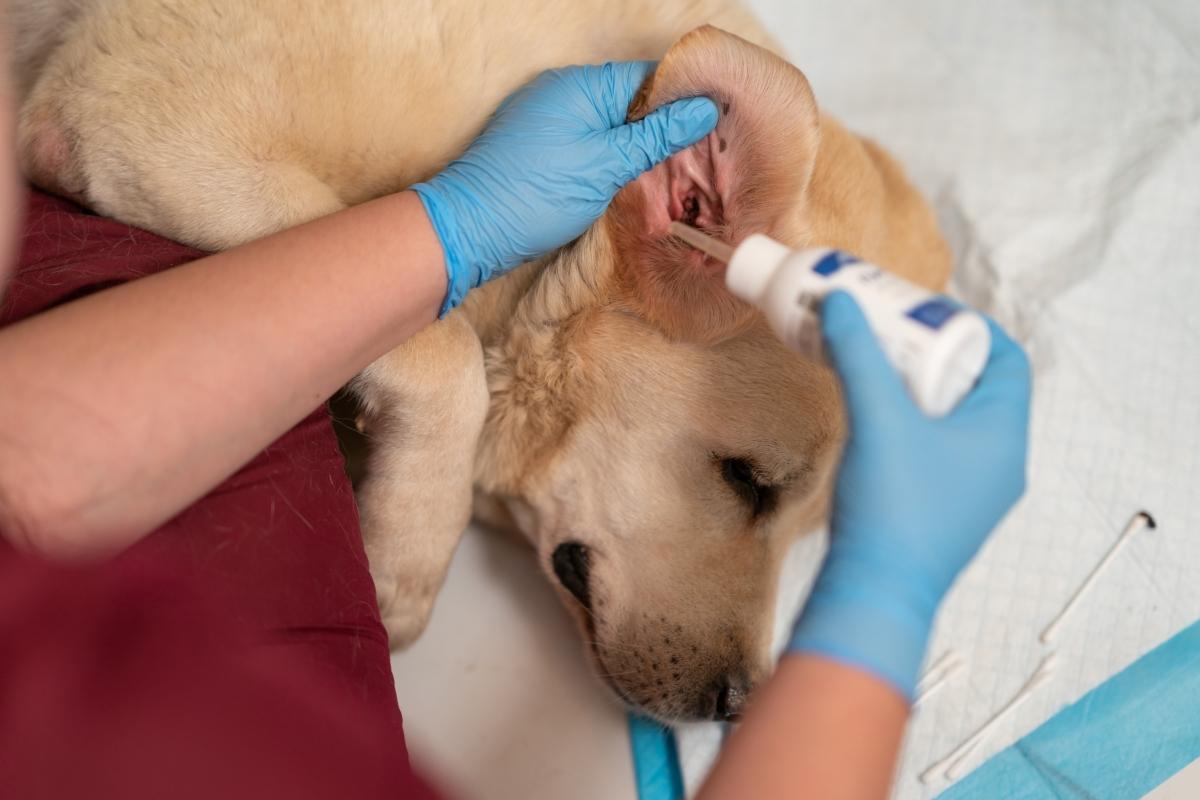
Ear infections are one of the most common health issues seen in dogs and cats. While they may seem minor at first, untreated ear problems can quickly turn painful and lead to more serious complications. Understanding the causes, early signs, and prevention strategies can help pet owners protect their furry companions and avoid unnecessary discomfort.
At Cottleville Animal Hospital, veterinarians often emphasize the importance of early detection and routine care when it comes to ear health.
Why Ear Infections Are Common in Pets
Pets, especially dogs, are more prone to ear infections due to the structure of their ears. Many breeds have floppy ears or narrow ear canals that trap moisture and debris. This creates the perfect environment for bacteria and yeast to grow.
Cats are less likely to develop infections, but when they do, the underlying cause is often more serious and needs immediate attention.
Common Causes of Ear Infections in Pets
1. Allergies
Allergies are one of the leading causes of recurring ear infections. Pets may react to food, pollen, dust, or environmental triggers. These reactions cause inflammation inside the ear, making it easier for infections to develop.
2. Moisture Build Up
Excess moisture from bathing, swimming, or even humidity can create a breeding ground for bacteria. Dogs that love water are particularly at risk if their ears are not dried properly.
3. Ear Mites
Ear mites are tiny parasites that cause intense itching and irritation. They are more common in cats and puppies and can spread easily between animals.
4. Poor Ear Hygiene
A lack of regular cleaning allows wax, dirt, and debris to accumulate. Over time, this buildup can lead to infection.
5. Foreign Objects
Grass seeds, dust, or small particles can get lodged inside the ear canal. These irritants can cause inflammation and infection if not removed promptly.
6. Underlying Health Conditions
Hormonal imbalances or autoimmune disorders can weaken a pet’s immune system, making them more susceptible to infections.
Early Signs of Ear Infections
Recognizing symptoms early can prevent complications. Watch for these warning signs:
- Frequent scratching of the ears
- Head shaking or tilting
- Redness or swelling inside the ear
- Unpleasant odor
- Discharge that may be yellow, brown, or black
- Sensitivity or pain when touched
If you notice any of these symptoms, it is important to seek professional help through proper pet diagnostics care at cottleville services to identify the exact cause.
Why Early Diagnosis Matters
Ear infections do not resolve on their own. Without proper treatment, they can progress to deeper infections affecting the middle or inner ear. This can lead to:
- Hearing loss
- Balance issues
- Chronic pain
- Long term damage
Early intervention through pet diagnostics care cottleville ensures that the condition is accurately diagnosed and treated before it worsens.
How Veterinarians Diagnose Ear Infections
A veterinarian will typically perform:
- Physical examination of the ear canal
- Microscopic evaluation of ear discharge
- Allergy assessment if infections are recurring
- Advanced testing in severe cases
These diagnostic steps help determine whether the infection is caused by bacteria, yeast, mites, or an underlying condition.
Effective Treatment Options
Treatment depends on the cause and severity of the infection. Common approaches include:
Medicated Ear Drops
These help eliminate bacteria or yeast and reduce inflammation.
Oral Medications
In more severe cases, antibiotics or antifungal medications may be prescribed.
Ear Cleaning Procedures
Professional cleaning removes debris and allows medications to work effectively.
Treating Underlying Issues
If allergies or hormonal imbalances are the root cause, those conditions must be managed to prevent recurrence.
How to Prevent Ear Infections in Pets
Prevention is always better than treatment. Here are practical steps every pet owner can follow:
Regular Ear Cleaning
Use vet approved cleaning solutions to gently clean your pet’s ears. Avoid inserting anything deep into the ear canal.
Keep Ears Dry
After baths or swimming, make sure to dry your pet’s ears thoroughly.
Routine Checkups
Regular veterinary visits help detect early signs of infection. Preventive exams are a key part of pet diagnostics care cottleville services.
Manage Allergies
Work with your vet to identify and control allergens that may trigger ear problems.
Grooming and Hair Care
Trim excess hair around the ears to improve airflow and reduce moisture buildup.
Monitor Behavior
Pay attention to any unusual scratching or head shaking. Early action can prevent major issues.
When to See a Veterinarian
If symptoms persist for more than a day or worsen quickly, professional care is essential. Delaying treatment can lead to complications that are harder and more expensive to manage.
You can schedule an appointment with Cottleville Animal Hospital to ensure your pet receives timely care and expert evaluation.
Building Trust Through Pet Care
Choosing the right veterinary clinic plays a crucial role in your pet’s health. Many pet owners rely on feedback from others before making decisions. You can always check a trustworthy review from our satisfied pet owner to understand the level of care and service provided.
Final Thoughts
Ear infections in pets are common but highly manageable when addressed early. By understanding the causes and taking preventive measures, pet owners can significantly reduce the risk of recurring issues. Regular checkups, proper hygiene, and awareness of early symptoms are the keys to maintaining your pet’s ear health.
With the right approach and access to professional pet diagnostics care cottleville, your pet can stay comfortable, healthy, and infection free.
Frequently Asked Questions
1. How often should I clean my pet’s ears?
Ans: It depends on the breed and lifestyle. Most pets benefit from cleaning once every two to four weeks, but your vet can recommend a schedule based on your pet’s needs.
2. Can I use human ear cleaning products on my pet?
Ans: No, human products may irritate your pet’s ears. Always use veterinarian approved solutions.
3. Are ear infections contagious between pets?
Ans: Some causes like ear mites are contagious, while bacterial or yeast infections usually are not.
4. Can ear infections go away on their own?
Ans: No, they require proper diagnosis and treatment. Ignoring them can lead to serious complications.
5. What breeds are more prone to ear infections?
Ans: Dogs with floppy ears such as Cocker Spaniels and Basset Hounds are more susceptible due to limited airflow in the ear canal.
6. How can I tell if my pet’s ear infection is serious?
Ans: Signs like severe pain, loss of balance, or hearing issues indicate a more advanced infection and require immediate veterinary attention.