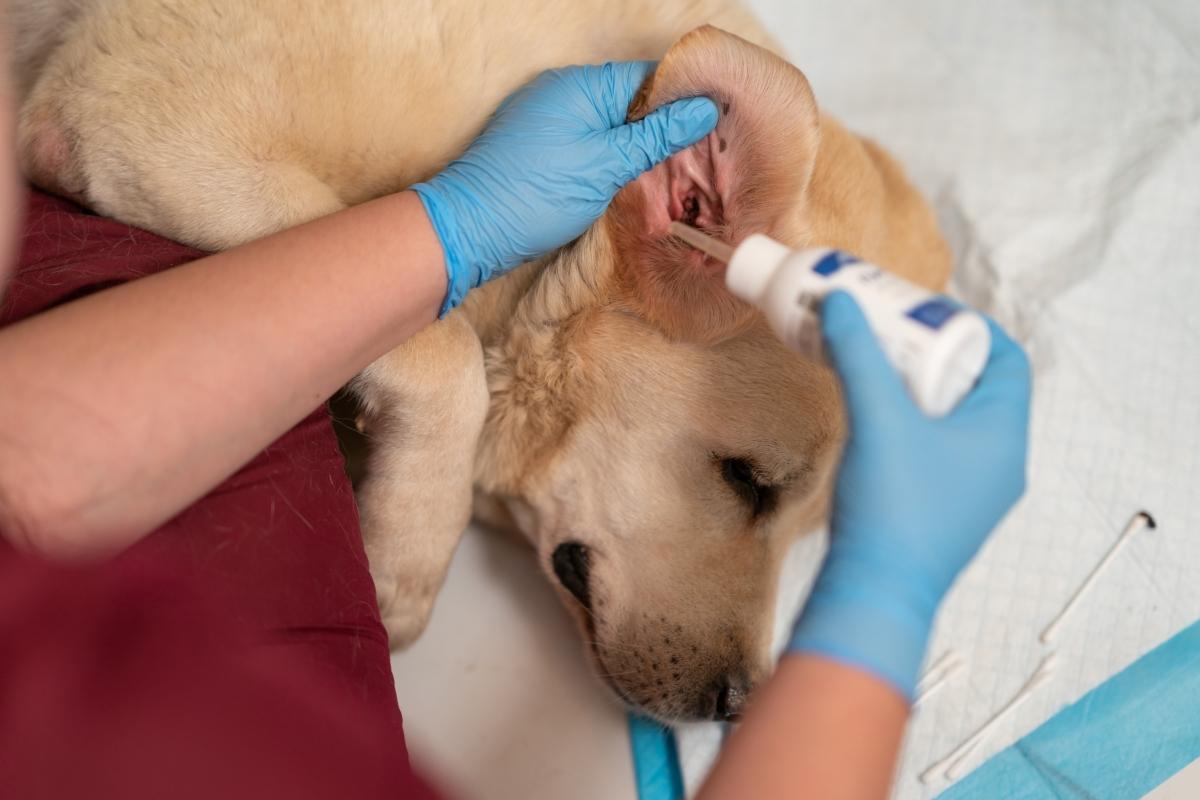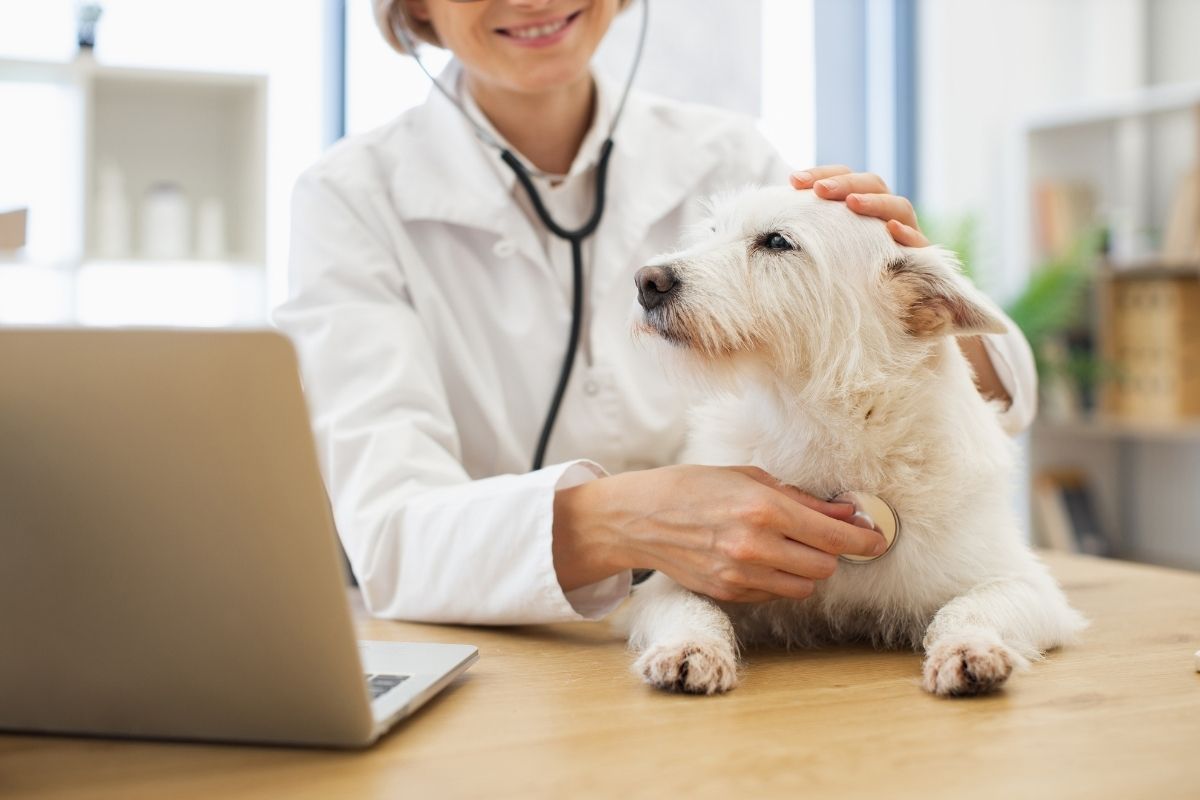

Visiting a veterinary clinic is essential for your pet’s health, but for many animals it can be a stressful experience. Pet anxiety at the vet is more common than most owners realize, and it can affect both physical health and behavior. Understanding why this happens and how to manage it can make a significant difference in your pet’s overall well being. For pet owners focused on quality pet care in Cottleville, learning how to ease this anxiety is an important step toward responsible pet parenting.
What Is Pet Anxiety at the Vet?
Pet anxiety at the vet refers to stress or fear that animals experience before or during veterinary visits. This anxiety may start at home when your pet senses an upcoming trip or escalate in the clinic due to unfamiliar sights, sounds, and smells. While some pets show mild nervousness, others may experience intense fear that makes examinations difficult.
Common Causes of Pet Anxiety
1. Unfamiliar Environment
Veterinary clinics are filled with new smells, sounds, and other animals. This unfamiliar environment can overwhelm pets, especially those who are naturally sensitive.
2. Past Negative Experiences
If a pet has previously experienced pain or discomfort during a visit, such as injections or treatments, they may associate the clinic with fear.
3. Separation Anxiety
Some pets become anxious when separated from their owners, even briefly during exams or procedures.
4. Loud Noises and Activity
Barking dogs, medical equipment, and busy waiting areas can increase stress levels, particularly for cats and smaller pets.
5. Travel Stress
For many pets, the anxiety begins before arriving at the clinic. Car rides or carriers can trigger stress responses.
Signs Your Pet May Be Anxious
Recognizing the signs of anxiety early can help you take steps to calm your pet. Look for the following behaviors:
- Excessive panting or drooling
- Trembling or shaking
- Hiding or محاولة to escape
- Whining, barking, or growling
- Aggressive behavior
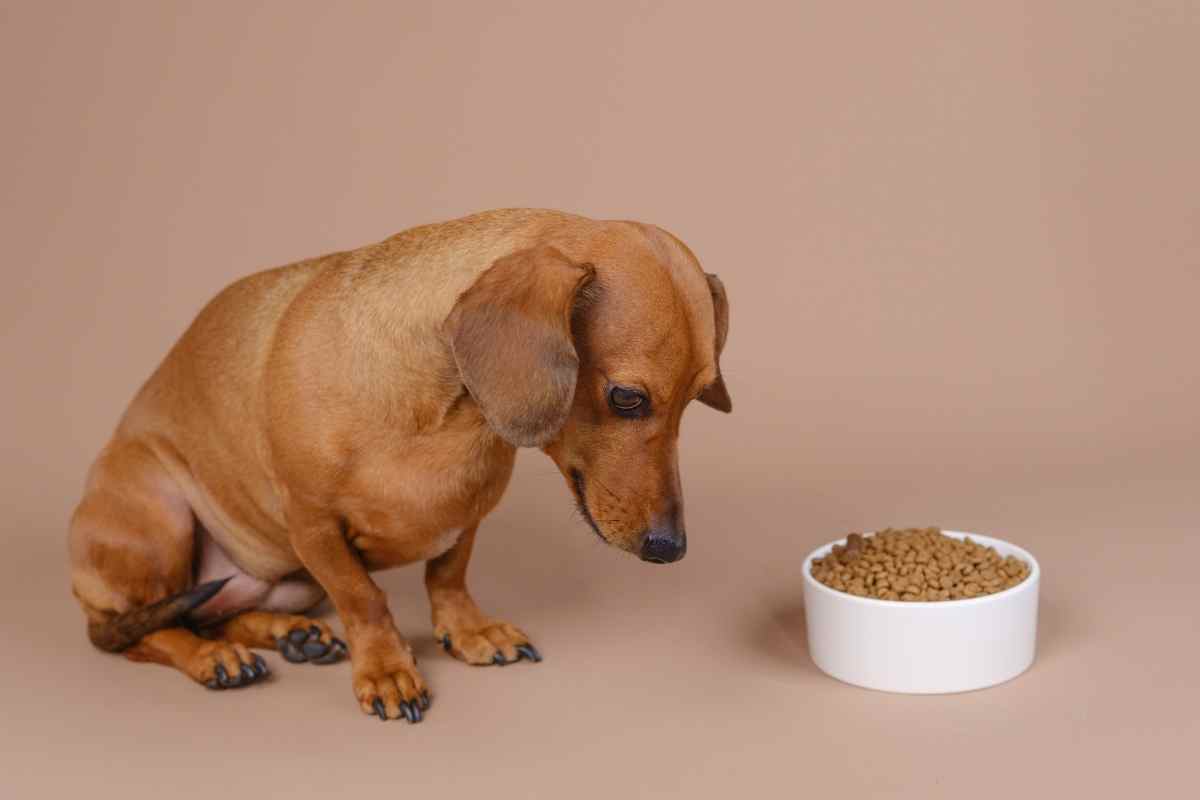
- Loss of appetite
- Dilated pupils or flattened ears
Some pets may become unusually quiet or withdrawn, which can also indicate stress.
Why Managing Vet Anxiety Matters
Ignoring anxiety can lead to long term issues. Stress can impact your pet’s immune system and make it harder for veterinarians to perform accurate examinations. In severe cases, it may even discourage owners from scheduling regular checkups. Prioritizing comfort during vet visits is a key part of effective pet care in Cottleville and ensures your pet receives consistent medical attention.
Practical Solutions to Reduce Pet Anxiety
1. Start with Positive Associations
Help your pet associate the vet with positive experiences. Offer treats, praise, or toys before and after visits. Even short trips to the clinic without an exam can help build familiarity.
2. Practice at Home
Handle your pet gently at home by touching their paws, ears, and mouth. This can prepare them for physical exams and reduce fear.
3. Use Comfortable Carriers
For cats and small pets, choose a well ventilated carrier with a soft blanket. Leave the carrier open at home so your pet becomes comfortable with it.
4. Stay Calm Yourself
Pets can sense your emotions. Remaining calm and relaxed can help reassure them during the visit.
5. Schedule Smart Appointments
Try to book appointments during quieter hours to minimize exposure to noise and other animals.
6. Consider Calming Aids
Veterinarians may recommend natural calming supplements, pheromone sprays, or medications for highly anxious pets.
The Role of Veterinary Teams
A compassionate veterinary team plays a crucial role in reducing anxiety. Clinics that follow a gentle and patient approach can make visits more comfortable for pets. At Cottleville Animal Hospital, the focus is on creating a calm and welcoming environment that supports both pets and their owners. From handling techniques to personalized care, the right approach can transform a stressful visit into a manageable experience.
Preparing for Your Next Vet Visit
Preparation can make a big difference. Here are a few steps to take before your appointment:
- Bring your pet’s favorite toy or blanket
- Avoid feeding a large meal right before the visit
- Allow time for your pet to relax before leaving home
- Use gentle reassurance instead of force
If your pet has severe anxiety, it is best to schedule an appointment with Cottleville Animal Hospital to discuss tailored solutions that suit your pet’s specific needs.
Building Long Term Comfort
Reducing anxiety is not a one time effort. Consistency is key. Regular visits, even when your pet is healthy, can help normalize the experience. Over time, your pet may become more comfortable and less fearful.
Pet owners often share their experiences, and it can be helpful to check an trust worthy review from our satisfied pet owner to understand how others have successfully managed their pets’ anxiety during visits.
Final Thoughts
Pet anxiety at the vet is a common challenge, but it is manageable with the right knowledge and approach. By understanding the causes, recognizing the signs, and applying practical solutions, you can help your pet feel safer and more relaxed. Prioritizing comfort during veterinary visits is an essential part of responsible pet ownership and ensures your furry companion receives the care they deserve.
Frequently Asked Questions
1. Why does my pet get anxious at the vet?
Ans: Pets often feel anxious due to unfamiliar environments, past experiences, loud noises, and travel stress.
2. Can pet anxiety be completely cured?
Ans: While it may not be completely eliminated, anxiety can be significantly reduced with training, positive reinforcement, and proper veterinary support.
3. Are calming medications safe for pets?
Ans: Yes, when prescribed by a veterinarian, calming medications can be safe and effective for managing severe anxiety.
4. How can I calm my pet during a vet visit?
Ans: Bring familiar items, stay calm, offer treats, and use gentle reassurance to help your pet feel more secure.
5. Should I avoid vet visits if my pet is anxious?
Ans: No, regular visits are important for your pet’s health. Instead, work on strategies to reduce anxiety and make visits more comfortable.
6. How early should I start preparing my pet for vet visits?
Ans: It is best to start early, especially with young pets, so they become familiar with the process and develop positive associations.