
Every year, National Pet Day serves as a meaningful reminder of the love, joy, and companionship pets bring into our lives. It’s also the perfect time to reflect on how we care for their health and well-being. While treats, toys, and daily walks are essential, one of the most important ways to show your love is by scheduling regular visits with a veterinarian.
For pet owners in Cottleville and the surrounding area, staying proactive about your pet’s health can make a significant difference in their quality of life. Routine veterinary care is not just about treating illness—it’s about preventing it, detecting issues early, and ensuring your pet lives a long, happy life.
The Importance of Preventive Care
Preventive care is the foundation of good health—for both humans and pets. Regular vet visits allow a veterinarian to monitor your pet’s overall condition and catch potential health concerns before they become serious.
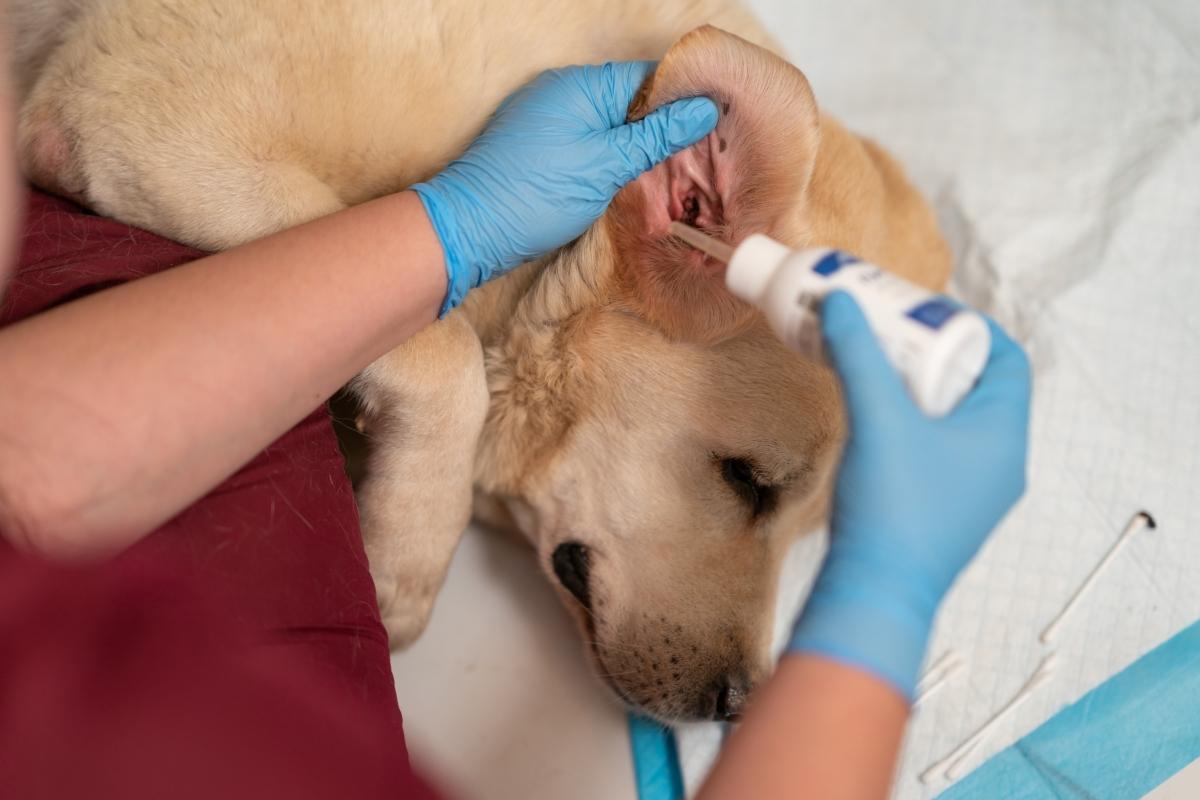
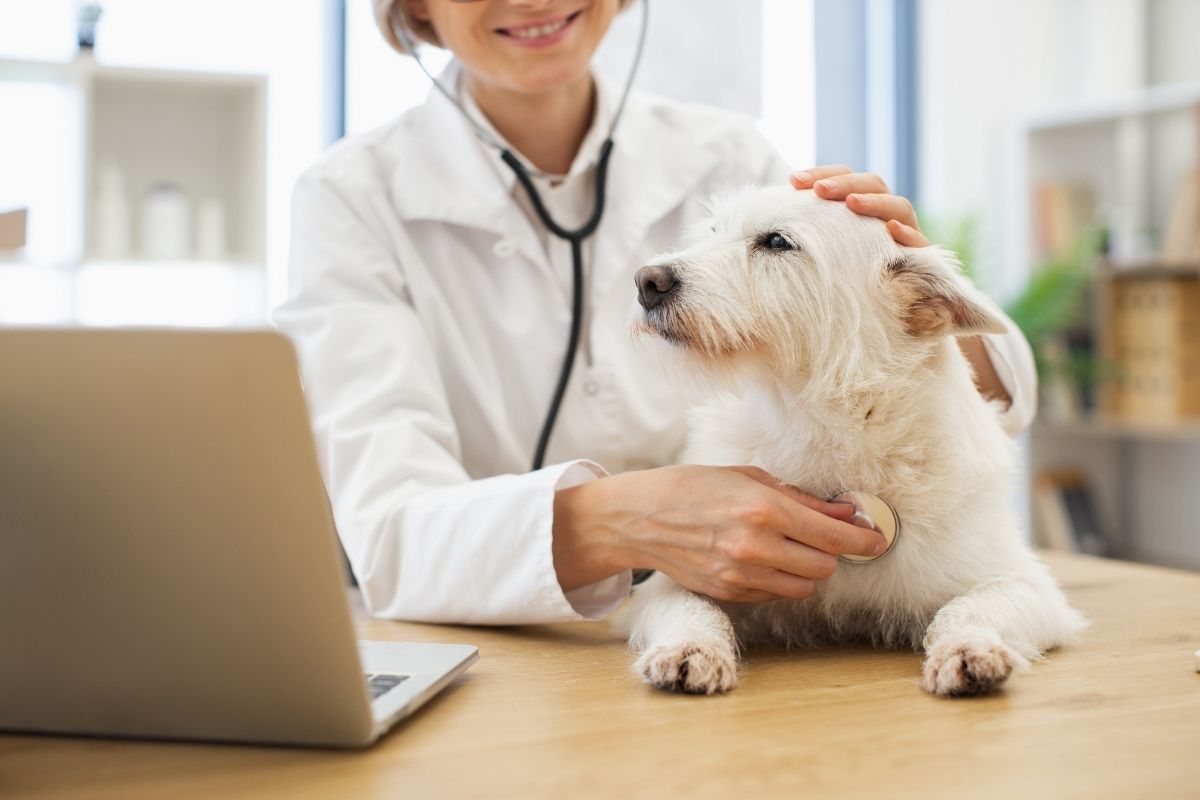
During routine checkups, your pet receives a comprehensive physical exam that evaluates weight, dental health, skin and coat condition, heart and lung function, and more. These visits also provide an opportunity to update vaccinations, discuss parasite prevention, and address any changes in behavior or appetite.
By investing in preventive care, you can avoid costly treatments down the road and ensure your pet stays healthy year-round.
Early Detection Saves Lives
Pets are experts at hiding discomfort or illness. By the time symptoms become noticeable, a condition may already be advanced. Regular veterinary visits play a crucial role in early detection.
Routine exams and diagnostic tests can identify issues such as:
- Dental disease
- Obesity-related conditions
- Arthritis
- Heart disease
- Kidney or liver problems
Catching these problems early allows for more effective treatment and better outcomes. This proactive approach can significantly extend your pet’s lifespan and improve their quality of life.
Customized Care for Every Life Stage
Just like humans, pets have different healthcare needs at various stages of life. Regular visits to a veterinarian ensure that your pet receives care tailored to their age, breed, and lifestyle.
Puppies and Kittens
Young pets require frequent visits for vaccinations, parasite prevention, and developmental monitoring. These early visits also help establish a baseline for future health.
Adult Pets
Routine wellness exams help maintain health and detect any emerging concerns. Nutrition, exercise, and dental care are key focus areas during this stage.
Senior Pets
As pets age, they become more susceptible to chronic conditions. More frequent vet visits allow for close monitoring, early diagnosis, and effective management of age-related issues.
The Role of Vaccinations and Parasite Prevention
Vaccinations are a critical part of your pet’s healthcare routine. They protect against serious and potentially life-threatening diseases such as rabies, distemper, and parvovirus.
In addition to vaccines, parasite prevention is essential. Fleas, ticks, and heartworms are common in many parts of the U.S. and can cause severe health problems if left untreated. Regular vet visits ensure your pet stays protected with the right preventive treatments.
Strengthening the Human-Animal Bond
Regular veterinary visits don’t just benefit your pet—they also strengthen the bond you share. When your pet feels healthy and comfortable, they are more active, playful, and engaged.
These visits also give you the chance to ask questions, learn more about your pet’s needs, and build a trusting relationship with your veterinarian. Having a reliable veterinary partner means you always have expert guidance when it comes to your pet’s health.
Addressing Behavioral and Nutritional Needs
Health isn’t just physical—it’s behavioral and emotional too. During routine visits, your veterinarian can help address concerns such as:
- Anxiety or stress
- Changes in behavior
- Weight management
- Dietary needs
Proper nutrition plays a major role in your pet’s overall well-being. Your vet can recommend the right diet based on your pet’s age, breed, and health condition, helping prevent obesity and related health issues.
A National Pet Day Commitment
National Pet Day is more than just a celebration—it’s a call to action. It’s an opportunity to commit to better care and prioritize your pet’s health.
One of the simplest yet most impactful steps you can take is to schedule an appointment with a trusted veterinarian. Regular checkups ensure your pet receives the care they need at every stage of life.
For pet owners in Cottleville and nearby communities, having access to compassionate, high-quality veterinary care makes it easier to stay on top of your pet’s health.
When Should You Schedule a Vet Visit?
While annual visits are recommended for most pets, some may require more frequent checkups depending on their age and health condition.
You should schedule an appointment if you notice:
- Changes in appetite or weight
- Lethargy or decreased activity
- Vomiting or diarrhea
- Unusual behavior
- Signs of pain or discomfort
Even if your pet appears healthy, routine visits are essential for maintaining their well-being.
Final Thoughts
Your pet relies on you for love, care, and protection. Regular visits to a veterinarian are one of the most important ways to fulfill that responsibility. From preventive care and early detection to personalized treatment and guidance, veterinary visits play a vital role in your pet’s health journey.
This National Pet Day, take a moment to prioritize your pet’s well-being. A simple step like scheduling a checkup can make a lifetime of difference.
Schedule an appointment today and give your pet the healthy, happy life they deserve.
FAQs
1. How often should I take my pet to the veterinarian?
Most pets should visit a veterinarian at least once a year. Puppies, kittens, and senior pets may require more frequent visits for proper monitoring and care.
2. Why are regular vet visits important if my pet seems healthy?
Many health issues are not visible in the early stages. Regular checkups help detect problems early, making treatment more effective and less costly.
3. What happens during a routine veterinary exam?
A routine exam includes a full physical check, weight assessment, vaccination updates, and discussions about diet, behavior, and preventive care.
4. Are vaccinations really necessary for indoor pets?
Yes, even indoor pets need vaccinations to protect against certain diseases and unexpected exposure risks.
5. When should I schedule an appointment for my puppy or kitten?
You should schedule an appointment when your pet is around 6–8 weeks old to begin vaccinations and establish a healthcare plan.
6. How do I know if my pet needs immediate veterinary care?
Signs like vomiting, lethargy, difficulty breathing, or sudden behavioral changes indicate it’s time to contact a veterinarian right away.