
Every dog owner eventually faces it — the sudden mess on the floor, refusal to eat, or a late-night trip outside because your dog’s stomach is upset. Although many stomach problems are mild, others can signal serious illness. Therefore, knowing what is normal and what is dangerous becomes very important.
Digestive upset in dogs is one of the most common reasons pets visit a veterinarian. Dogs explore the world with their noses and mouths, so they frequently eat things they shouldn’t. From table scraps to grass, trash, or even toys, their curious habits often irritate the stomach and intestines.
Fortunately, early recognition can prevent complications and help your dog recover quickly. In this guide, you will learn the causes, warning signs, safe home care tips, and when professional help is necessary—especially helpful for pet families in Cottleville, MO.
What Is Digestive Upset in Dogs?
Digestive upset refers to irritation or inflammation anywhere along the gastrointestinal tract. This includes the stomach and intestines. When irritation occurs, the body reacts by trying to remove the problem through vomiting or diarrhea.
In mild cases, symptoms pass within a day. However, severe cases can lead to dehydration, infection, or blockage.
Common Causes
There are many reasons a dog develops stomach problems. Some are minor, while others require immediate treatment.
1. Dietary Indiscretion
Dogs often eat things they find outside or in the trash. Sudden diet changes also upset digestion.
Examples:
- Table scraps
- Spoiled food
- Greasy leftovers
- Bones
This is the most common cause of digestive upset in dogs.
2. Food Intolerance or Allergy
Some dogs cannot tolerate certain proteins, grains, or additives. As a result, the digestive system becomes inflamed.
You may notice:
- Recurring diarrhea
- Gas
- Skin itching
3. Parasites
Intestinal worms, Giardia, and other parasites frequently cause diarrhea, especially in puppies.
4. Infections
Bacteria and viruses can irritate the stomach. Puppies are especially vulnerable to parvovirus, which requires immediate medical attention.
5. Foreign Object Ingestion
Dogs sometimes swallow:
- Socks
- Toys
- Rocks
- Corn cobs
These objects may cause dangerous intestinal blockage.
6. Stress or Anxiety
Major changes such as travel, boarding, or a new pet can affect digestion. Stress hormones alter gut movement and lead to loose stools.
Warning Signs to Watch For
Not every upset stomach is serious. However, certain symptoms should never be ignored.
Mild Symptoms
- Occasional vomiting
- Soft stool
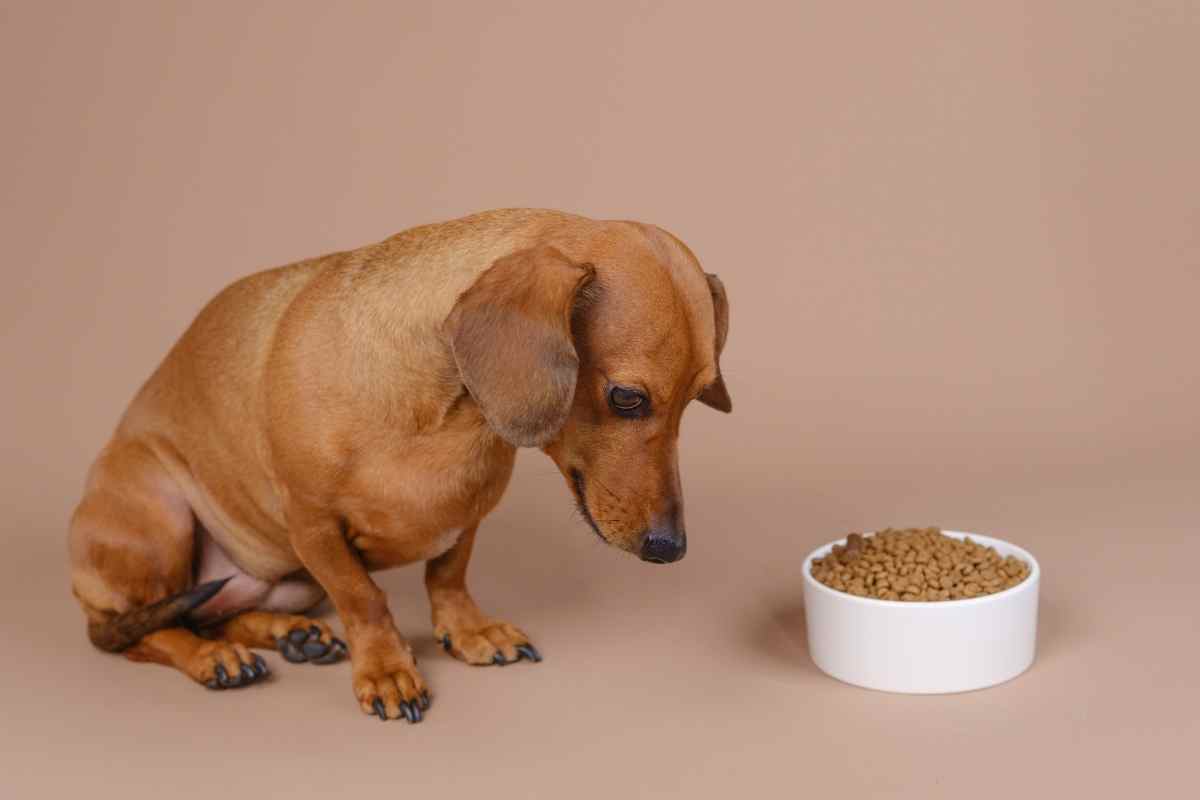
- Temporary appetite loss
- Mild lethargy
These often improve within 24 hours.
Serious Symptoms
Contact a veterinarian immediately if you notice:
- Repeated vomiting
- Blood in stool
- Black tarry stool
- Severe lethargy
- Fever
- Abdominal swelling
- Pain when touched
Severe digestive upset in dogs may require urgent care because dehydration can happen quickly.
Home Care Tips (For Mild Cases Only)
If symptoms are mild and your dog is otherwise acting normal, supportive home care may help.
1. Short Fasting Period
First, remove food for 12 hours (puppies: 6 hours). This allows the stomach to rest.
However, always provide fresh water.
2. Provide Small Amounts of Water
Offer small amounts frequently. Too much water at once may trigger vomiting.
Ice cubes can help prevent dehydration while being gentle on the stomach.
3. Feed a Bland Diet
After fasting, introduce a simple diet:
- Boiled chicken (no seasoning)
- Plain white rice
Feed small portions every 3–4 hours.
This approach helps calm inflammation during digestive upset in dogs.
4. Avoid Treats and Fatty Foods
Do not give:
- Dairy
- Rich treats
- Greasy foods
They prolong recovery.
5. Monitor Closely
Watch behavior, appetite, and stool quality for 24–48 hours. Improvement should occur quickly.
When to Seek Veterinary Help
Home care is helpful only for mild symptoms. Seek professional help if:
- Vomiting lasts more than 24 hours
- Diarrhea continues beyond 48 hours
- Your dog refuses water
- Your dog is a puppy or a senior
- You suspect toxin ingestion
Some conditions, such as pancreatitis or intestinal obstruction, worsen rapidly and may require urgent care and medical treatment.
How Veterinarians Diagnose the Problem
Your veterinarian may recommend:
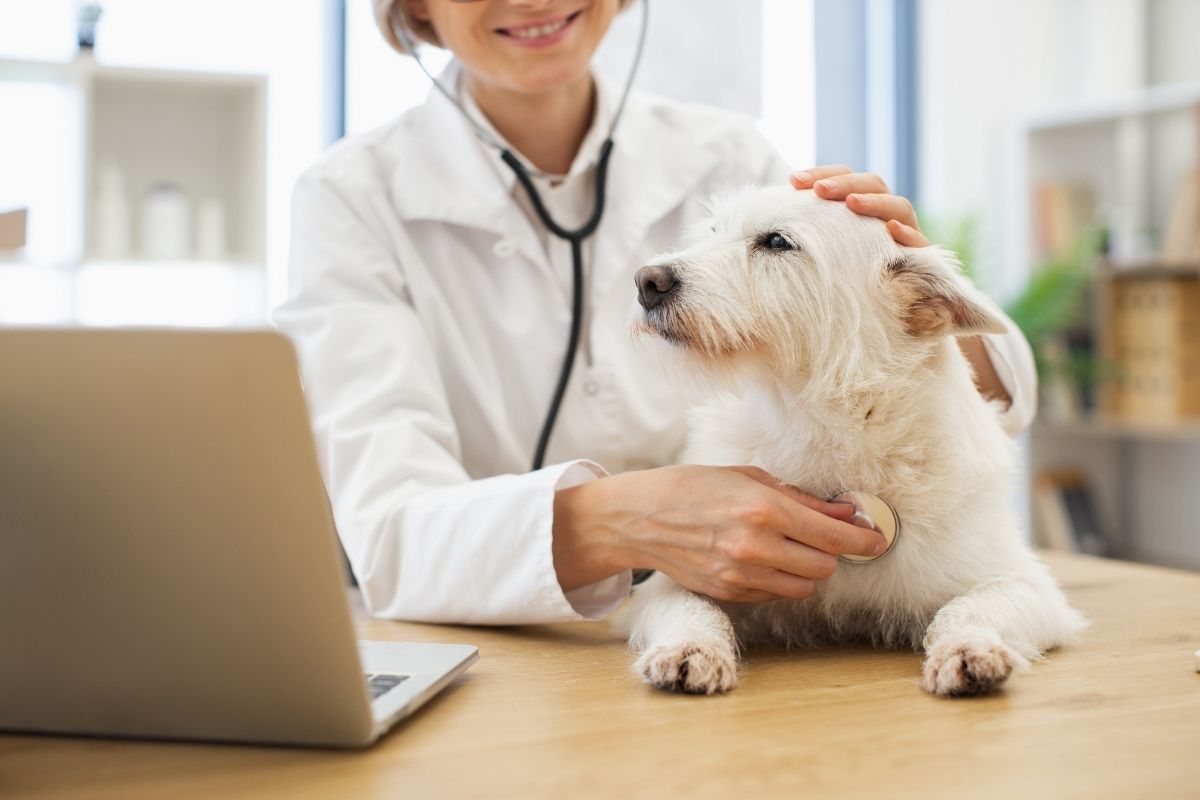
- Physical examination
- Fecal parasite testing
- Bloodwork
- X-rays
These tests determine whether the issue is infection, inflammation, or blockage.
Preventing Digestive Problems
Prevention is always easier than treatment. You can reduce risk by:
- Keeping trash secured
- Avoiding sudden food changes
- Feeding measured portions
- Keeping vaccinations updated
- Using parasite prevention
Routine monitoring helps catch problems early.
Digestive problems are common but should never be ignored. By recognizing symptoms early and providing supportive care, you can help your dog recover safely. However, persistent digestive upset in dogs requires professional evaluation to prevent complications.
If you are in Cottleville, MO, and looking for a veterinarian near you, book an appointment with Cottleville Animal Hospital today. Their experienced team can diagnose the cause, provide treatment, and ensure your dog returns to normal eating, playing, and living comfortably.
FAQs
Q1. How long does a dog’s upset stomach last?
Ans. Most mild cases resolve within 24–48 hours.
Q2. Should I stop feeding my dog completely?
Ans. Short fasting helps, but water should always be available.
Q3. Can grass eating cause vomiting?
Ans. Yes. Dogs sometimes eat grass to soothe stomach irritation.
Q4. Is diarrhea dangerous?
Ans. It can be persistent, bloody, or accompanied by weakness.
Q5. Can stress cause stomach upset?
Ans. Yes. Anxiety changes digestion and can trigger diarrhea.
Q6. Are puppies at higher risk?
Ans. Yes. Puppies dehydrate quickly and need prompt evaluation.