
Traveling is exciting for families, but for pets, it can feel confusing and stressful. New sounds, unfamiliar environments, and moving vehicles may cause anxiety, nausea, or fear. Fortunately, with proper preparation and patience, you can turn a stressful trip into a smooth experience for both you and your companion.
Many pets dislike travelling simply because they are unprepared. Dogs may whine or pant heavily, while cats may hide, vocalize, or refuse food. However, when you understand their needs and plan ahead, you can greatly reduce discomfort. Learning how to make your pet comfortable during travel helps protect both their emotional and physical well-being.
This guide will walk you through preparation, packing essentials, safety strategies, and calming techniques—especially helpful for pet owners planning trips from Cottleville, MO.
Why Travel Is Stressful for Pets
Pets thrive on routine. Feeding times, sleeping spots, smells, and familiar surroundings help them feel secure. When travel interrupts these patterns, animals often interpret the situation as a threat.
Common stress triggers include:
- Loud road noise
- Motion sickness
- Temperature changes
- Strange people and animals
- Confinement in carriers
Because of this, preparation becomes the most important step.
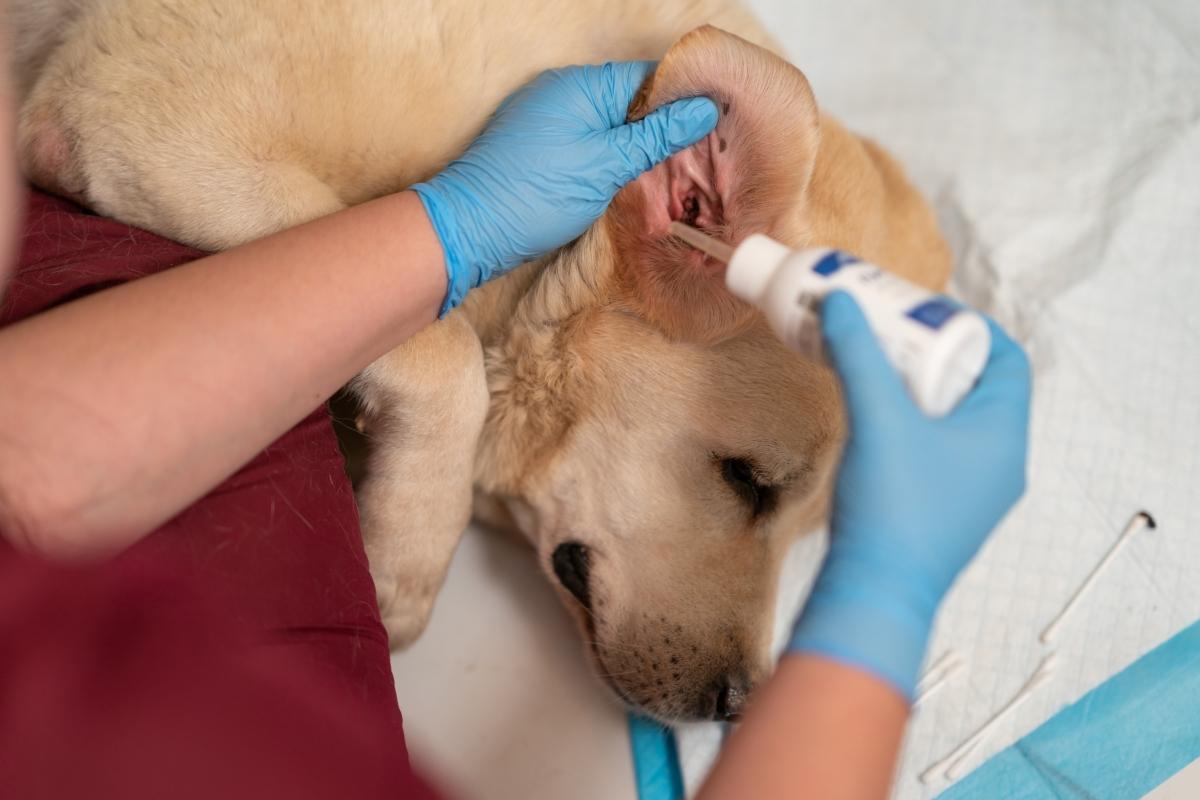
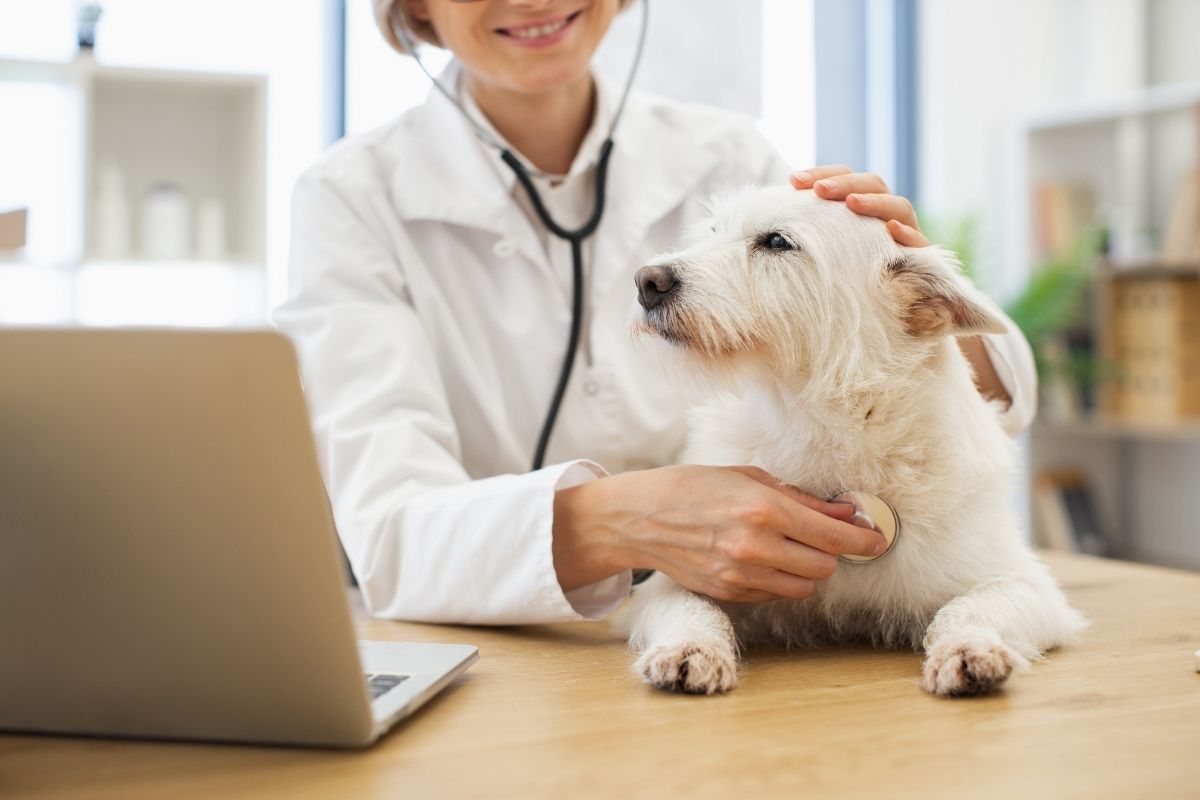
Visit the Veterinarian Before the Trip
Before a long journey, schedule a checkup. A veterinarian can evaluate health conditions, update vaccines, and discuss motion sickness or anxiety treatments. Preventive veterinary care ensures your pet is physically ready for travel.
Additionally, request:
- Vaccination records
- Health certificates (for flights or hotels)
- Microchip verification
This preparation prevents emergencies while away from home.
Choosing the Right Carrier or Crate
A secure carrier is one of the biggest factors in making your pet comfortable during travel.
For Dogs
- Use a crash-tested travel crate or seat harness
- Allow the dog to stand and turn around
- Add a soft blanket
For Cats
- Choose a sturdy ventilated carrier
- Top-loading carriers work best
- Line with absorbent bedding
Tip: Introduce the carrier weeks before the trip. Leave it open at home and place treats inside so your pet associates it with safety.
Help Your Pet Adjust Gradually
Do not wait until travel day to introduce the car.
Instead:
- Sit in the parked car together
- Start the engine briefly
- Take short drives
- Slowly increase trip length
Gradual exposure reduces fear and motion sickness significantly.
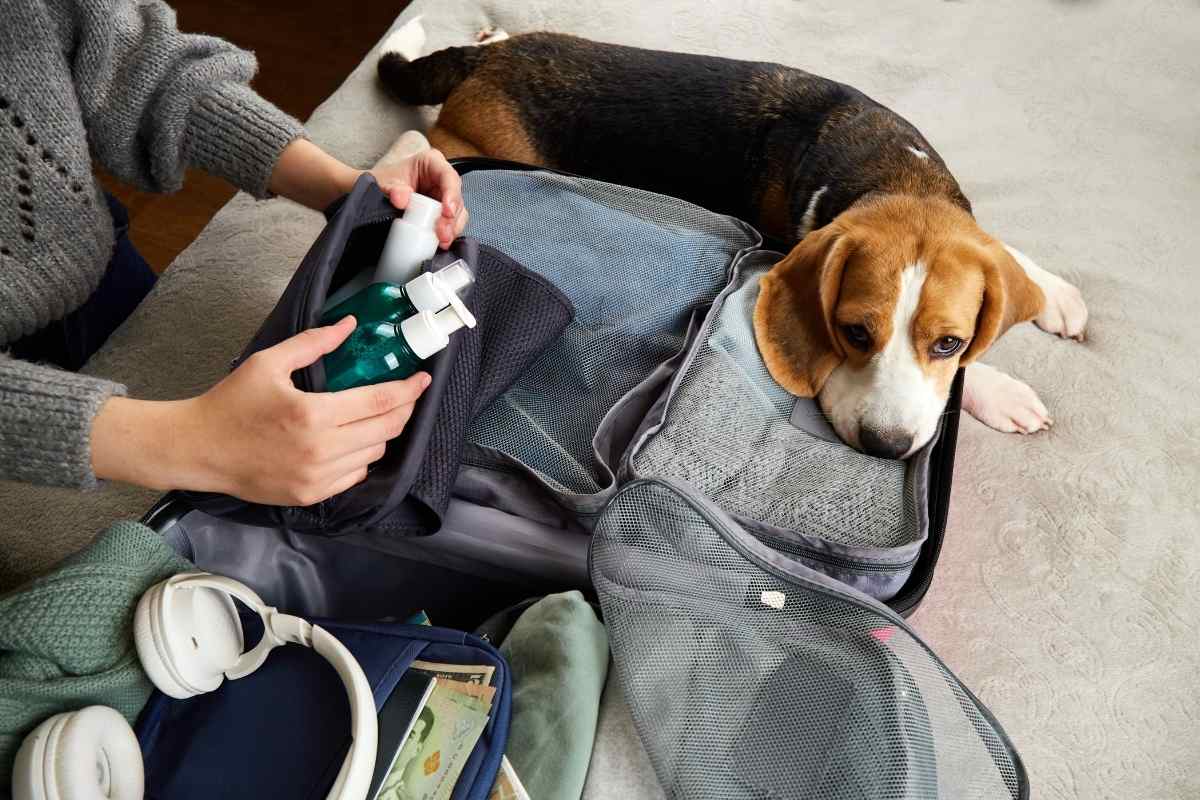
Pack a Pet Travel Bag
Preparation prevents panic. Always pack a dedicated pet bag.
Include:
- Food and treats
- Bottled water
- Bowls
- Leash and harness
- Waste bags
- Medications
- Favorite toy
- Blanket with home scent
Familiar smells comfort pets and reduce anxiety.
Feeding Before Travel
Avoid feeding right before departure. Full stomachs increase nausea.
Instead:
- Feed a small meal 3–4 hours before travel
- Offer water in small amounts
- Avoid new treats
This simple adjustment prevents vomiting and discomfort.
Safety Tips for Car Travel
Proper safety is essential when learning how to make your pet comfortable during travel.
Never Allow Free Roaming
Loose pets can distract drivers and risk injury during sudden stops.
Keep Heads Inside Windows
While dogs enjoy sticking their heads out, debris and eye injuries are common.
Maintain Proper Temperature
Cars heat quickly. Even mild weather can cause heatstroke within minutes.
Plan Rest Breaks
Stop every 2–3 hours for:
- Bathroom breaks
- Stretching
- Water
Regular breaks reduce stiffness and anxiety.
Managing Travel Anxiety
Some pets remain nervous despite preparation. Fortunately, calming methods help.
Natural Calming Options
- Pheromone sprays
- Calming collars
- Anxiety wraps
- Soft music
Behavioral Comfort
Speak calmly and avoid loud corrections. Your pet senses your emotions.
Medication
For severe anxiety, your veterinarian may prescribe safe travel medications.
Air Travel Tips
Flying requires extra preparation.
- Book pet-friendly airlines
- Use airline-approved carriers
- Avoid extreme weather travel
- Label the carrier clearly
- Attach ID and contact info
Additionally, arrive early to avoid rushing, which increases stress.
Hotel and Destination Adjustment
Upon arrival:
- Set up food and water immediately
- Walk dogs to explore surroundings
- Keep cats in one quiet room first
Maintaining routine helps your pet feel secure in a new place.
Recognizing Warning Signs
Even with planning, monitor your pet carefully.
Watch for:
- Excessive drooling
- Vomiting
- Trembling
- Heavy panting
- Refusing water
If symptoms persist, seek veterinary care promptly.
After the Trip
Once home, allow your pet time to decompress. Provide quiet rest and return to normal feeding and walking schedules quickly. Pets adjust faster when routines resume.
Traveling with pets does not have to be stressful. With patience, preparation, and planning, you can ensure safety and comfort every step of the journey. Understanding how to make your pet comfortable during travel helps reduce anxiety, prevent illness, and make trips enjoyable for everyone.
If you are in Cottleville, MO, and looking for a veterinarian near you, book an appointment with Cottleville Animal Hospital today. Their experienced team can guide you with travel preparation, preventive care, and personalized recommendations so your companion stays healthy wherever the road takes you.
FAQs
Q1. Can pets get motion sickness?
Ans. Yes. Puppies and kittens commonly experience nausea, but many outgrow it.
Q2. Should I sedate my pet for travel?
Ans.Only if prescribed by a veterinarian. Never use human medications.
Q3. How often should I stop during road trips?
Ans. Every 2–3 hours for exercise and hydration.
Q4. Are cats harder to travel with than dogs?
Ans. Generally, yes, because cats dislike environmental change. However, gradual training helps significantly.
Q5. What is the safest place for a pet in a car?
Ans. Inside a secured crate or seatbelt harness in the back seat.
Q6. Can pets drink tap water while traveling?
Ans. It’s better to use bottled or carried water to avoid stomach upset.