
As pet parents, we all want compassionate, reliable care that keeps our furry family members healthy and comfortable. Yet navigating the different types of vet clinics can feel confusing, especially when you’re unsure which option best fits your pet’s needs. Understanding how general practice, specialty, and emergency clinics differ helps you make confident, timely decisions that support your pet’s well-being.
In this guide, you’ll learn what each clinic type offers, when to use them, and how to prepare so your pet gets the right level of care every time.
Understanding the Different Types of Veterinary Clinics
Veterinary care is divided into multiple tiers to ensure each pet receives the proper level of expertise. While many pets rely on routine care, others may need advanced diagnostics or urgent attention. Each type of clinic plays a unique role in your pet’s lifelong health journey.
What General Practice Vet Clinics Offer
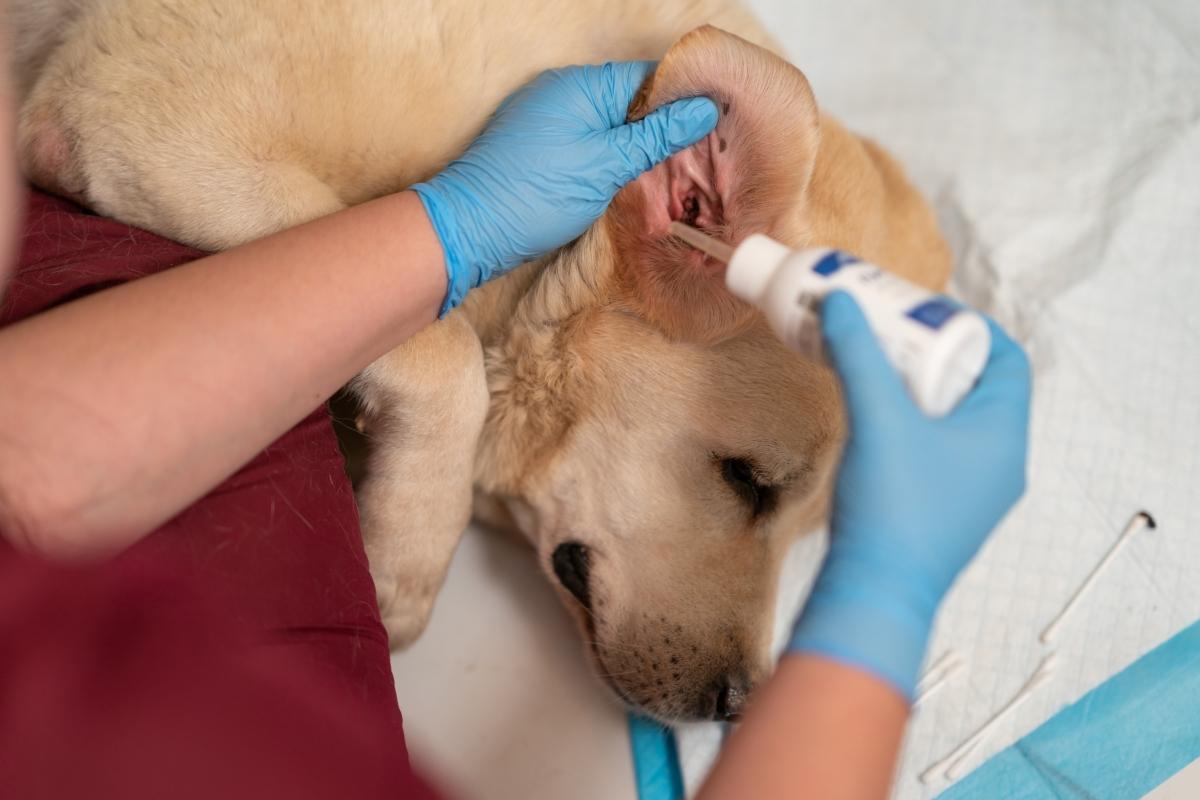
General practice clinics are the primary care providers of the veterinary world. They handle the majority of everyday health needs pets experience.
Common Services
General veterinarians typically offer:
- Wellness exams and vaccinations
- Parasite prevention
- Dental cleanings
- Diagnostics such as bloodwork and X-rays
- Treatment for mild to moderate illnesses
- Basic surgeries, including spays and neuters
These clinics provide ongoing care, answer routine questions, and help monitor your pet’s long-term health through annual checkups.
When Your Pet Needs a Specialty Clinic
Specialty vet clinics provide advanced care from board-certified veterinary specialists. Pets are usually referred here by their general practitioner.
Specialized Areas
These hospitals may offer:
- Cardiology
- Dermatology
- Oncology
- Neurology
- Orthopedic surgery
- Internal medicine
A specialist is trained to diagnose complex conditions and provide treatment plans that often go beyond what a general practice can offer.
Benefits of Visiting a Specialist
Pet owners can expect:
- Advanced imaging such as CT or MRI
- Specialized surgeries
- Targeted treatment for chronic or rare conditions
- Collaborative communication with your regular veterinarian
Emergency Vet Clinics: What to Expect
Emergency clinics operate much like a human ER. They’re designed to handle sudden, life-threatening situations when immediate care is critical.
Situations That Require Emergency Care
Take your pet to an emergency clinic if they experience:
- Trauma or injury
- Difficulty breathing
- Seizures
- Uncontrolled vomiting or diarrhea
- Ingestion of toxins
- Sudden collapse
These facilities are typically open nights, weekends, and holidays, ensuring your pet receives rapid evaluation and stabilization when every minute counts.
Choosing the Right Clinic for Your Pet
Making the right choice depends on the urgency and complexity of your pet’s condition.
When General Practice is Best
- Routine exams
- Preventive care
- Minor infections
- Ongoing wellness support
When Specialty Care is Helpful
- A confirmed complex diagnosis
- Surgery requiring advanced equipment
- Persistent or unusual symptoms
- A referral from your regular vet
When Emergency Care Is Necessary
- Severe pain
- Difficulty walking or breathing
- Major injuries
- Sudden changes in behavior or consciousness
If you’re searching for compassionate pet care in Cottleville, MO, Cottleville Animal Hospital provides personalized veterinary support to keep your pet healthy and thriving. It’s a trusted choice for families seeking high-quality care at an animal hospital cottleville pet owners rely on.
Navigating the different types of vet clinics becomes much easier when you know what each one offers. Whether your pet needs routine wellness care, advanced diagnostics, or urgent medical support, the right clinic ensures they receive the attention and expertise they deserve. When in doubt, reach out to your veterinarian and keep a close eye on any changes in your pet’s health—they rely on you to advocate for their wellbeing.
Frequently Asked Questions:
Q1: What is the main difference between general practice and specialty clinics?
Ans: General practice clinics handle everyday wellness and common medical needs, while specialty clinics focus on complex conditions requiring advanced training and equipment.
Q2: Do I need a referral to visit a specialty vet?
Ans: Most specialty hospitals require a referral so the specialist has all relevant medical history and diagnostic information. This ensures your pet receives the most accurate care.
Q3: When should I go to an emergency vet instead of my regular clinic?
Ans: Emergency vets are best for life-threatening or rapidly progressing symptoms such as breathing issues, trauma, or seizures. When in doubt, err on the side of caution.
Q4: Can a general practice clinic perform surgeries?
Ans: Yes, many general clinics offer routine surgeries like spays, neuters, and dental extractions. Complex orthopedic or neurological surgeries usually require a specialist.
Q5: What should I bring to a specialty or emergency visit?
Ans: Bring medical records, medication lists, recent lab results, and information about symptoms. These details help the veterinary team diagnose and treat your pet efficiently.
Q6: How do I decide which vet clinic is right for my pet’s issue?Ans: Start with your general veterinarian for non-urgent or routine concerns. For advanced or chronic issues, a specialist may be needed. For sudden, severe symptoms, choose an emergency vet immediately.