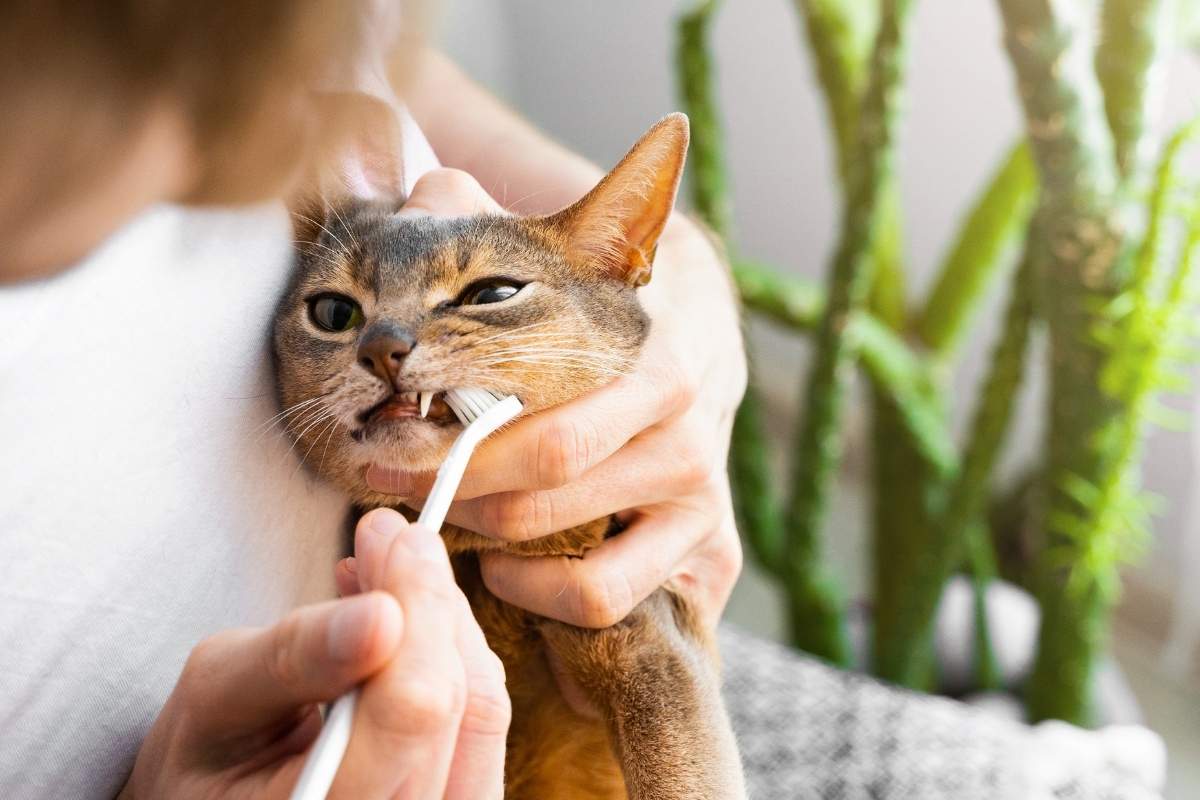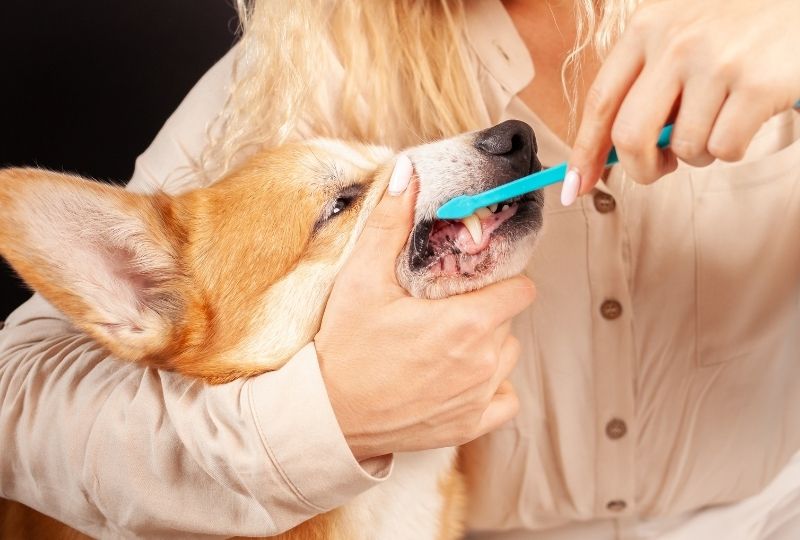

When was the last time you looked inside your dog or cat’s mouth?
Many pet owners focus on nutrition, exercise, and vaccinations, but oral health is just as important for a pet’s overall wellbeing. By the age of three, most dogs and cats begin showing signs of dental disease—even if they appear healthy on the outside. Unfortunately, dental problems rarely resolve on their own. Over time, they can lead to pain, infection, and even affect major organs.
Understanding the most common dental conditions in pets can help you catch problems early and protect your pet’s long-term health. Below, we explain the most frequent dental diseases in dogs and cats, the warning signs to watch for, and how proper care can help prevent serious complications.
Pet owners in the Cottleville area can also seek professional dental evaluations from the experienced veterinary team at Cottleville Animal Hospital to keep their pets’ teeth and gums healthy.
Why Oral Health Is Important for Pets
A pet’s mouth naturally contains bacteria. Without regular cleaning, plaque begins forming on teeth within hours. Over time, plaque hardens into tartar, which irritates the gums and allows bacteria to accumulate below the gumline.
As dental disease progresses, bacteria can enter the bloodstream and potentially affect organs such as the heart, liver, and kidneys. What may start as mild bad breath can eventually become a serious health concern.
Regular dental care and professional veterinary checkups help reduce these risks and support your pet’s overall health.
1. Periodontal Disease
What It Is
Periodontal disease is the most common dental condition in dogs and cats. It affects the tissues that support the teeth, including the gums and surrounding bone.
How It Develops
The condition begins with plaque buildup. When plaque is not removed, it hardens into tartar. The gums become inflamed, which is known as gingivitis. If untreated, the infection spreads deeper into the supporting structures of the teeth.
Signs to Watch For
- Persistent bad breath
- Red or swollen gums
- Bleeding from the mouth
- Loose teeth
- Difficulty chewing or dropping food
- Pawing at the mouth
Pets often hide pain well, so even subtle symptoms should not be ignored.
Why Early Treatment Matters
Early-stage gum disease can often be reversed with professional cleaning and improved home care. Advanced cases may require tooth extractions.
2. Gingivitis
Gingivitis is the earliest stage of dental disease and involves inflammation of the gums.
Common Symptoms
- Bright red gum edges
- Swelling along the gumline
- Mild bleeding during brushing
At this stage, teeth remain firmly attached to the bone. With prompt treatment and regular brushing, gum health can improve significantly. However, if left untreated, gingivitis can progress to periodontal disease.
3. Tooth Fractures
Dogs frequently fracture teeth by chewing hard items such as bones, antlers, or extremely hard toys. Cats may fracture teeth due to trauma or falls.
Types of Tooth Fractures
- Enamel fracture: Minor chip that may not cause pain
- Complicated fracture: Pulp exposure that can be extremely painful
Warning Signs
- Sudden refusal to chew toys or treats
- Favoring one side of the mouth
- Swelling below the eye (possible root infection)
Fractured teeth expose sensitive nerves and can lead to infection. Veterinary evaluation is necessary as soon as possible.
4. Tooth Root Abscess
A tooth root abscess occurs when infection develops at the root of a tooth.
Common Causes
- Untreated tooth fractures
- Advanced periodontal disease
Symptoms
- Facial swelling
- Pain when the face is touched
- Fever
- Reduced appetite
Abscesses typically require professional treatment. Antibiotics alone usually do not solve the problem long term. The affected tooth may need extraction or a root canal procedure.
5. Feline Tooth Resorption (Cats Only)
Tooth resorption is a dental condition that primarily affects cats. In this disease, the tooth structure gradually breaks down from the inside.
Signs in Cats
- Drooling
- Jaw chattering while eating
- Sudden sensitivity to food
- A red spot near the gumline
Cats often hide severe dental pain, which makes diagnosis difficult without a professional exam. Dental X-rays are usually required, and extraction is often the most effective treatment.
6. Oral Tumors
Although less common, oral tumors can occur in both dogs and cats.
Signs to Watch For
- Persistent bad breath
- Unexplained bleeding in the mouth
- Lumps or growths in the mouth
- Difficulty swallowing
Any unusual growth should be examined by a veterinarian as early detection greatly improves treatment outcomes.
7. Retained Baby Teeth
Some small dog breeds experience retained baby teeth, where the baby teeth do not fall out when adult teeth erupt.
Why This Matters
Crowded teeth trap food and bacteria, increasing the risk of plaque buildup and gum disease. In many cases, retained baby teeth should be removed to prevent future dental problems.
How Dental Disease Progresses
Dental disease typically develops in stages:
- Plaque buildup
- Tartar formation
- Gum inflammation
- Bone loss
- Tooth loss
Once bone loss occurs, it cannot be reversed. This is why early dental care and routine checkups are so important.
What Happens During a Professional Pet Dental Exam
Many pet owners are unsure about what a veterinary dental procedure involves. A typical professional dental visit may include:
- Complete physical examination
- Anesthesia for comfort and safety
- Dental X-rays to evaluate tooth roots and bone health
- Scaling to remove plaque and tartar above and below the gumline
- Polishing to smooth tooth enamel
- Treatment or extraction of damaged teeth if necessary
Anesthesia allows veterinarians to safely clean below the gumline where many dental problems develop.
The veterinary team at Cottleville Animal Hospital provides thorough dental evaluations and treatments to help pets maintain healthy smiles.
At-Home Dental Care for Pets
Preventing dental disease is easier when consistent habits are established.
1. Daily Brushing
Use toothpaste designed specifically for pets. Human toothpaste can be harmful to animals.
2. Dental Diets
Certain veterinary diets are designed to reduce plaque and tartar buildup.
3. Dental Chews
Look for products approved by the Veterinary Oral Health Council (VOHC).
4. Routine Veterinary Exams
Regular checkups help identify dental issues before they become serious.
Combining at-home care with professional cleanings is the best strategy for maintaining healthy teeth.
How Often Should Pets Get Dental Cleanings?
The ideal cleaning schedule depends on your pet’s breed, age, and medical history.
- Small dog breeds often require yearly cleanings
- Larger dogs may need them less frequently
- Cats vary widely depending on their dental health
A veterinarian can recommend a personalized dental care schedule for your pet.
Signs Your Pet May Need a Dental Checkup
Contact your veterinarian if you notice:
- Persistent bad breath
- Visible brown or yellow tartar buildup
- Difficulty chewing food
- Swelling near the eyes or face
- Sudden changes in behavior or appetite
Dental pain can affect a pet’s mood, energy levels, and eating habits.
Why Early Treatment Matters
Ignoring dental disease can lead to serious problems, including:
- Chronic pain
- Systemic infections
- Tooth loss
- Emergency dental procedures
Early treatment is typically easier, less expensive, and much better for your pet’s quality of life.
Protecting Your Pet’s Oral Health
Dental health is an essential part of your pet’s medical care—not just a cosmetic issue. With regular exams, professional cleanings, and good home habits, many dental diseases can be prevented or managed successfully.
If your dog or cat shows signs of dental discomfort, bad breath, or gum inflammation, scheduling a dental evaluation can help prevent further complications. The veterinary professionals at Cottleville Animal Hospital provide comprehensive dental care for pets in Cottleville and nearby communities.
Healthy teeth and gums allow pets to eat comfortably, stay active, and enjoy a better quality of life. Taking small preventive steps today can make a lasting difference in your pet’s long-term health.
FAQs
Q1: What are the most common dental diseases in dogs and cats?
The most common dental diseases in pets include periodontal disease, gingivitis, tooth fractures, tooth root abscesses, and tooth resorption in cats. These conditions often develop from plaque and tartar buildup if proper dental care is not maintained.
Q2: How can I tell if my pet has dental disease?
Common signs include bad breath, red or swollen gums, visible tartar buildup, difficulty chewing, drooling, pawing at the mouth, or reduced appetite. If you notice these symptoms, a veterinary dental exam is recommended.
Q3: How often should my dog or cat have a professional dental cleaning?
Most pets benefit from professional dental cleanings once a year, but the exact frequency depends on their breed, age, and dental health. A veterinarian can recommend the best schedule for your pet.
Q4: Can dental disease in pets affect overall health?
Yes. Bacteria from untreated dental disease can enter the bloodstream and potentially affect organs such as the heart, liver, and kidneys. Regular dental care helps protect your pet’s overall health.
Q5: How can I prevent dental disease in my dog or cat at home?
You can help prevent dental disease by brushing your pet’s teeth regularly with pet-safe toothpaste, providing approved dental chews, feeding dental-support diets, and scheduling routine veterinary dental checkups.