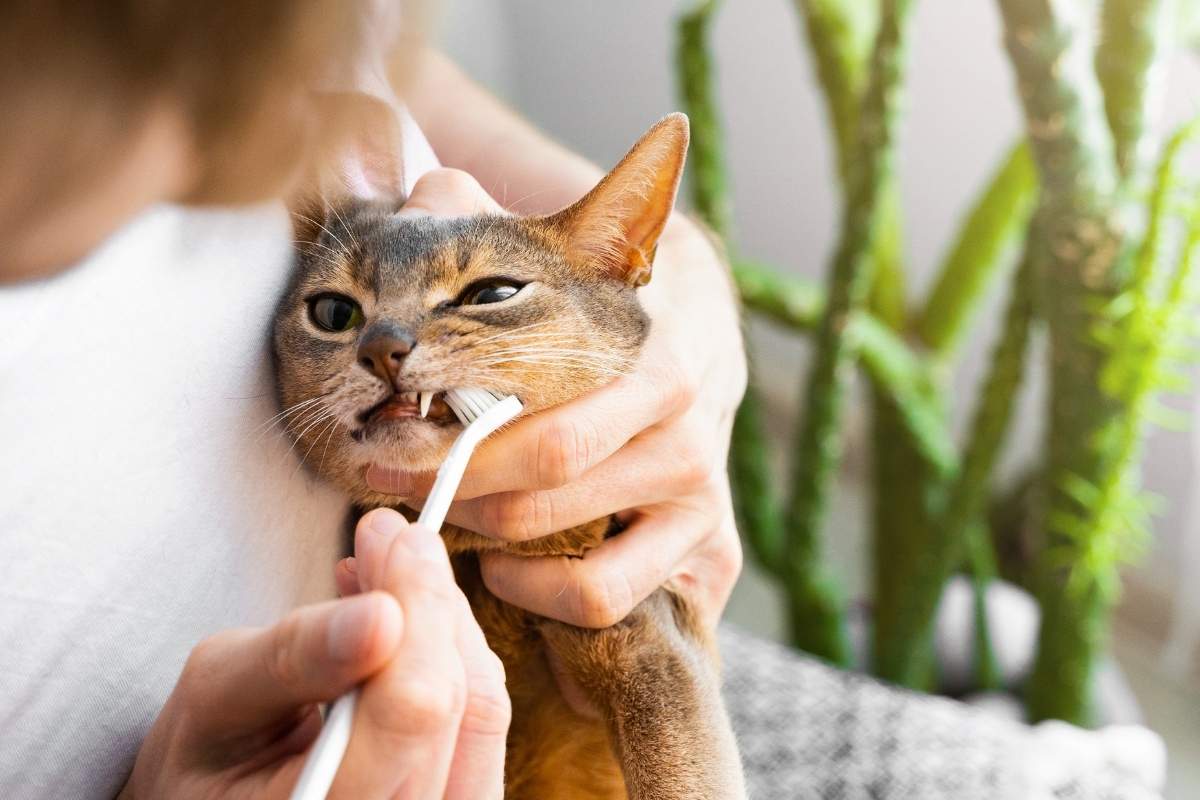

Good oral health is just as important for pets as it is for humans. Dental problems such as plaque buildup, gum disease, and tooth loss can affect your pet’s comfort, appetite, and overall health. One of the most effective ways to maintain oral hygiene is by brushing your pet’s teeth regularly. But many pet owners wonder: What type of toothbrush should I use?
This guide explains why dental care matters, what to look for in a pet toothbrush, and how to make brushing a stress-free part of your routine.
Why Brushing Matters
Without regular care, plaque and tartar can lead to periodontal disease, which is one of the most common health problems in pets. Beyond bad breath, dental disease can cause pain, infections, and even affect organs like the heart and kidneys. Regular brushing, along with professional dental cleanings, plays a crucial role in preventing these issues.
What to Look for in a Pet Toothbrush
When choosing the right toothbrush for your pet, keep the following factors in mind:
- Size: A toothbrush should be appropriate for your pet’s mouth. Smaller brushes with soft bristles work best for cats and small dogs, while larger pets may need longer-handled brushes.
- Bristle Type: Always opt for soft bristles to avoid damaging gums or enamel.
- Design: Double-ended toothbrushes allow for versatility, while finger brushes can give you more control for smaller pets.
- Pet-Safe Materials: Choose brushes specifically designed for pets to ensure comfort and safety.
Finger Brushes vs. Traditional Toothbrushes
- Finger Brushes: Slide over your fingertip, making it easy to reach your pet’s teeth directly. Best for small pets or those just getting used to brushing.
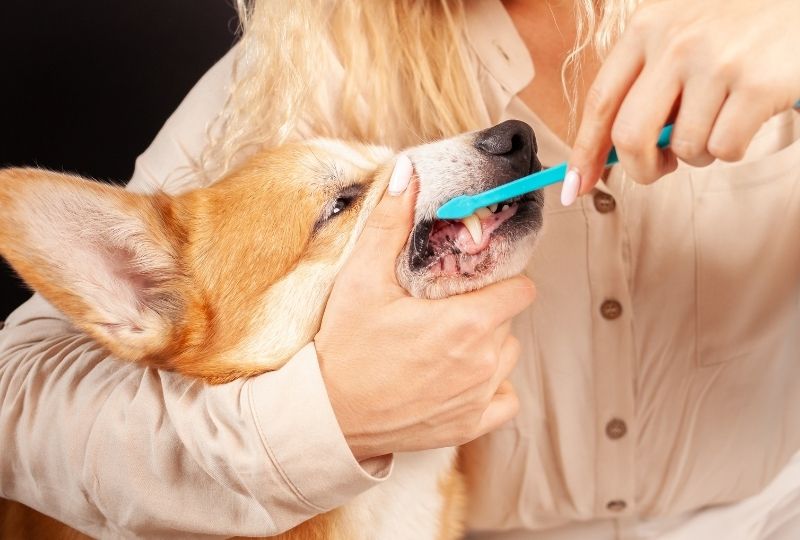
- Traditional Toothbrushes: Look similar to human toothbrushes but are angled for easier reach into a pet’s mouth. Ideal for larger pets or experienced brushers.
Toothpaste Matters Too
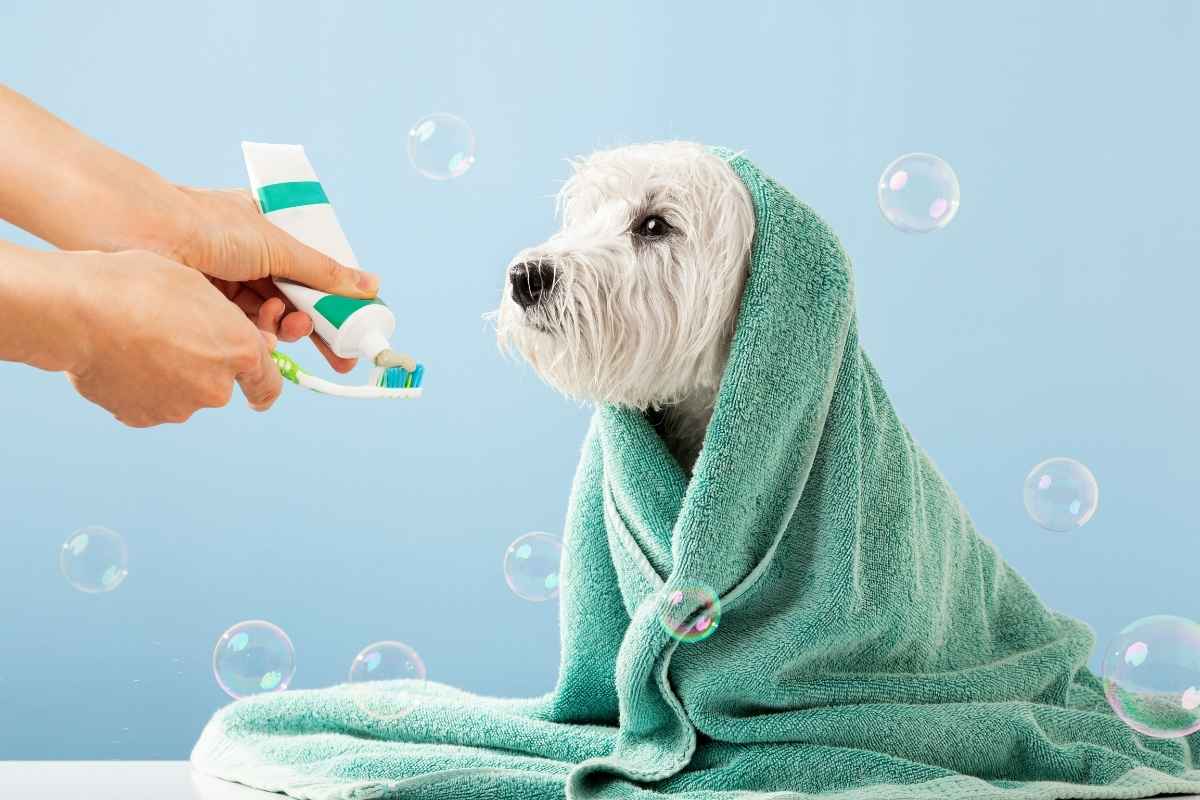
Never use human toothpaste—it contains fluoride and other ingredients that are toxic to pets. Always choose a pet-specific toothpaste in flavors your pet may enjoy, such as poultry or peanut butter. Pairing the right toothbrush with pet-safe toothpaste makes the process more effective and enjoyable.
Tips to Make Brushing Easier
- Start Slow: Introduce the toothbrush gradually so your pet can adjust.
- Stay Consistent: Aim for daily brushing, but even a few times per week can make a difference.
- Positive Reinforcement: Reward your pet with praise or a treat after brushing sessions.
Signs Your Pet May Need Dental Care
Even with regular brushing, you should watch for symptoms that indicate dental problems, such as:
- Persistent bad breath
- Red or swollen gums
- Difficulty chewing or eating
- Drooling excessively
- Loose or missing teeth
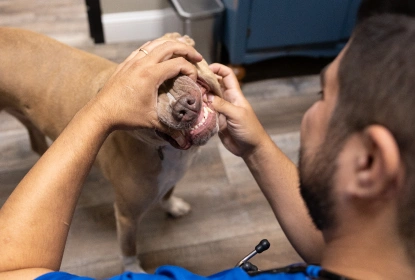
If you notice any of these signs, schedule a dental exam promptly.
Choosing the Right Toothbrush for Your Pet is a simple yet powerful step toward maintaining lifelong oral health. A proper toothbrush, combined with pet-safe toothpaste and regular veterinary dental care, can prevent painful dental disease and keep your pet’s smile healthy. At Cottleville Animal Hospital, we are here to help you with every aspect of your pet’s dental health, from daily care tips to professional cleanings.
FAQs
Q1. How often should I brush my pet’s teeth?
Ans. Daily brushing is ideal, but even brushing a few times per week helps reduce plaque and tartar buildup.
Q2. Can I use a child’s toothbrush for my pet?
Ans. While some pet owners do, brushes made specifically for pets are designed for comfort, safety, and effectiveness.
Q3. My pet hates brushing. What should I do?
Ans. Start slowly with short sessions, use tasty pet toothpaste, and reward positive behavior. Over time, most pets adapt.
Q4. Are dental chews a replacement for brushing?
Ans. Dental chews can help, but they are not a substitute for brushing and professional cleanings.
Q5. When should my pet have their first dental check-up?
Ans. As early as one year of age. Regular check-ups help identify issues before they become serious.
Q6. What happens during a professional dental cleaning?
Ans. Your vet will clean above and below the gumline, polish the teeth, and check for hidden issues such as loose teeth or infection.